Climate change is affecting the planet's hydrological cycles, or water cycles. Some parts are fast - the amount of precipitation and moisture in the soil can change over days or weeks due to weather. Other parts, like the melting of polar ice and glaciers, change over decades.
What the report from the World Meteorological Organization (WMO) shows is that both the fast and slow systems are becoming increasingly chaotic.
"It's a reasonable pattern. It doesn't apply equally everywhere. But some parts of the world have been affected a lot compared to others," says researcher Yeshewatesfa Hundecha.
“Emptying the savings account”
WMO Director-General Celeste Saulo likens the slow parts of the system to a kind of buffer, which prevents water shortages if it doesn't rain for a few weeks.
"But we are emptying that savings account. Global ground-based water reserves have been on a declining trend since 2014-2016 - a persistent, decades-long signal," she says in a press release.
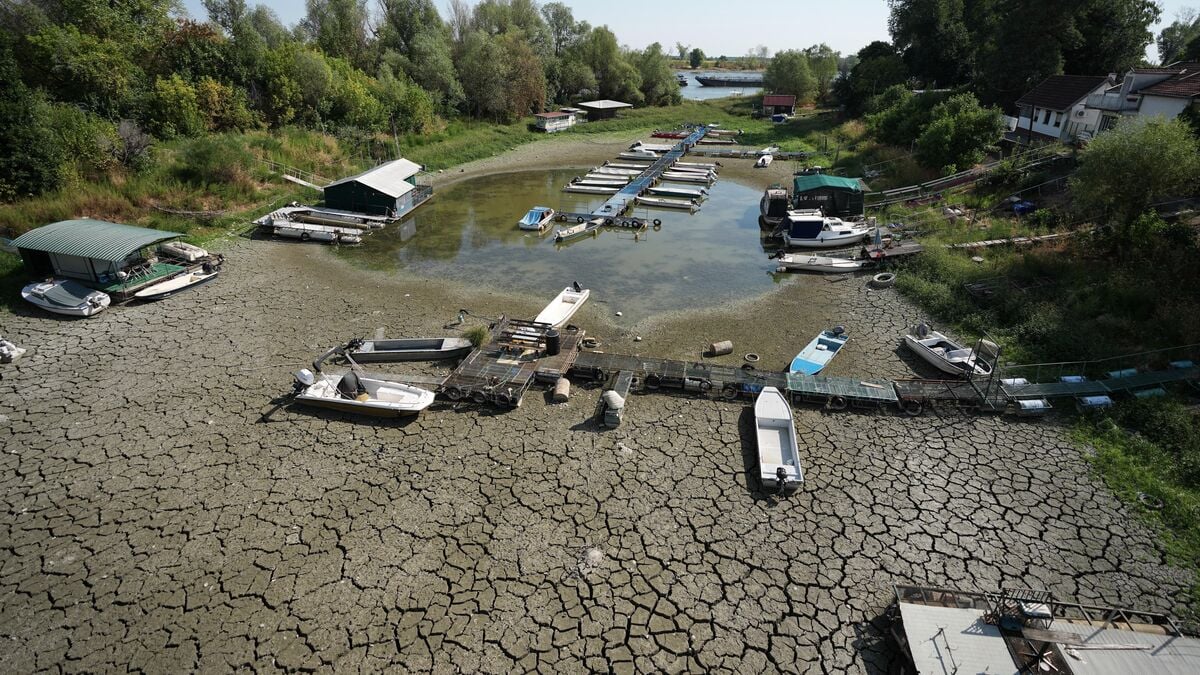
So it is freshwater, which is mainly used by people and animals for drinking and irrigation, that has decreased over the past ten years. In Somalia, almost half a million people were forced to flee as a result of the drought last year, and overall harvests are at risk of declining.
This is not just about climate change, according to Hundecha, but also about humans overexploiting underground reserves.
More extreme weather
The faster changes are being felt, among other things, through more extreme weather. There is either too much rain - leading to floods and landslides - or too little. River systems have been out of balance for the past seven years. There has either been more water than normal in their catchment areas, or less.
"If climate change continues in a similar way, water availability will become very variable. One year it could be very wet and another it could be very dry. The continuous availability of water will become uncertain," says Hundecha.