
Sweden has had internal border controls since 2015. The controls are usually extended for six months at a time. But after two years, the government must provide a new justification for why they are needed.
In 2024, the reason was organised crime. Now the government is reintroducing the controls, citing the serious security situation resulting from Russia's full-scale invasion of Ukraine.
The government emphasises that this has led to "hybrid threats and hostile actors" moving and operating within the Schengen area.
Detecting entry
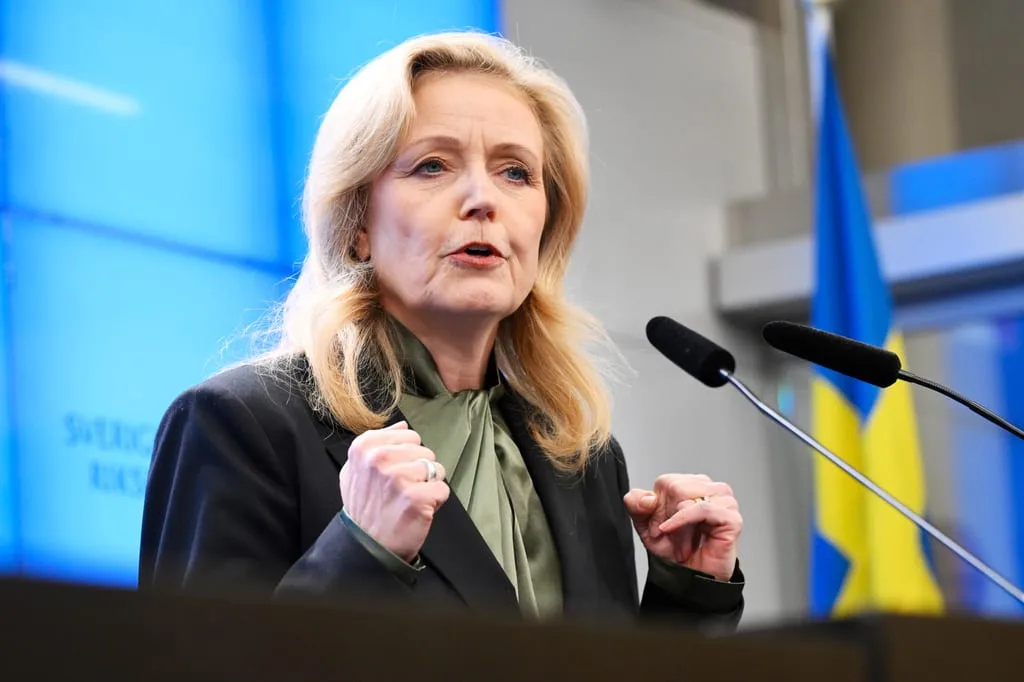
"This concerns, among other things, an increased threat of sabotage against Sweden and other EU member states, something the Security Service recently warned about," says Justice Minister Gunnar Strömmer (M) in a comment.
According to the government, internal border controls are important to enable the authorities to detect people entering the country who may threaten public order and security.
The police decide where and how the controls should take place.
On Wednesday, Säpo warned that the risk of Russian sabotage in Sweden has increased. The risk has worsened only in recent months. Both attacks and threats have targeted several countries near Sweden. One notable incident was the discovery in August of a drone equipped with explosives at Leipzig airport, near Ukrainian cargo planes.
According to Säpo, it has become clear that Russia is focusing more on "tangibly" stopping military support for Ukraine.
Other countries too
The border controls will be in place for six months, taking effect on November 12, when the previous decision expires.
Several other countries in Schengen, including France, Germany, Norway and Denmark, have also reintroduced internal border controls, the government writes.




What do you think?