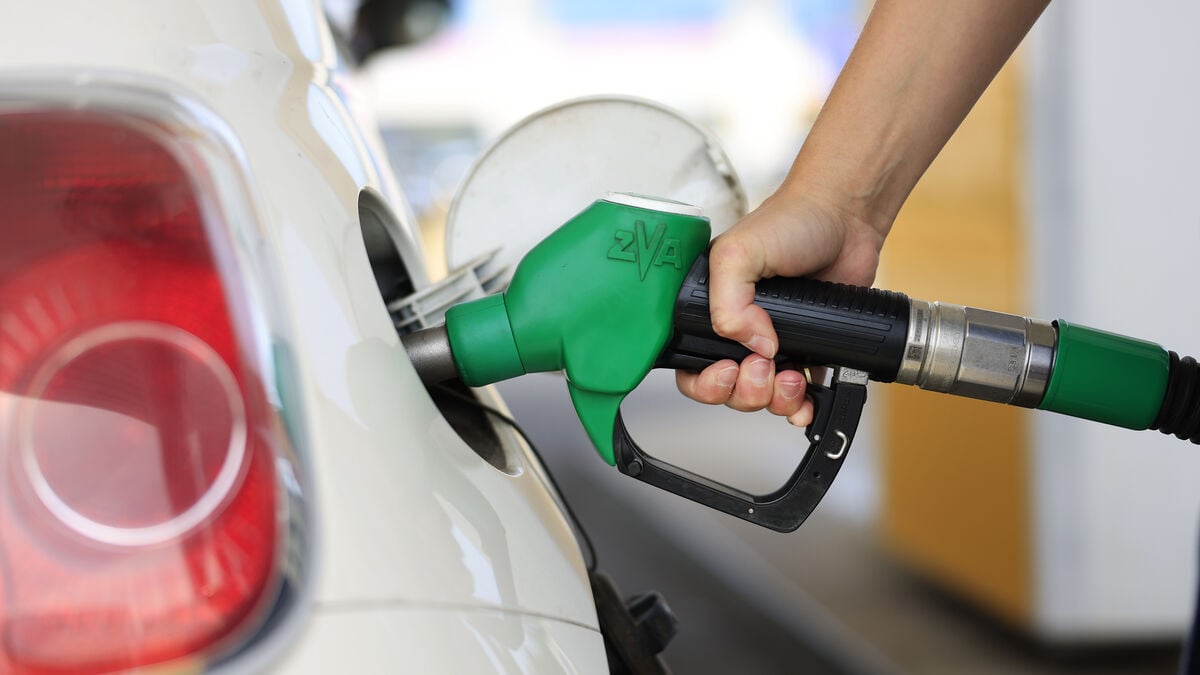
Sweden is currently governed by a caretaker government that cannot make the decisions needed to maintain the temporary tax cuts, which expire in the fall. Together, the cuts amount to around 4 kronor per liter for gasoline and just over 3 kronor per liter for diesel.
If no decisions are made, the tax will automatically go back up when the cuts expire.
The Sweden Democrats (SD) therefore wanted the Riksdag (the Swedish parliament) to act to prevent what they call a "shock increase in fuel prices".
But after Tuesday's meeting of the Riksdag committee, it is clear that the Finance Committee has said no.
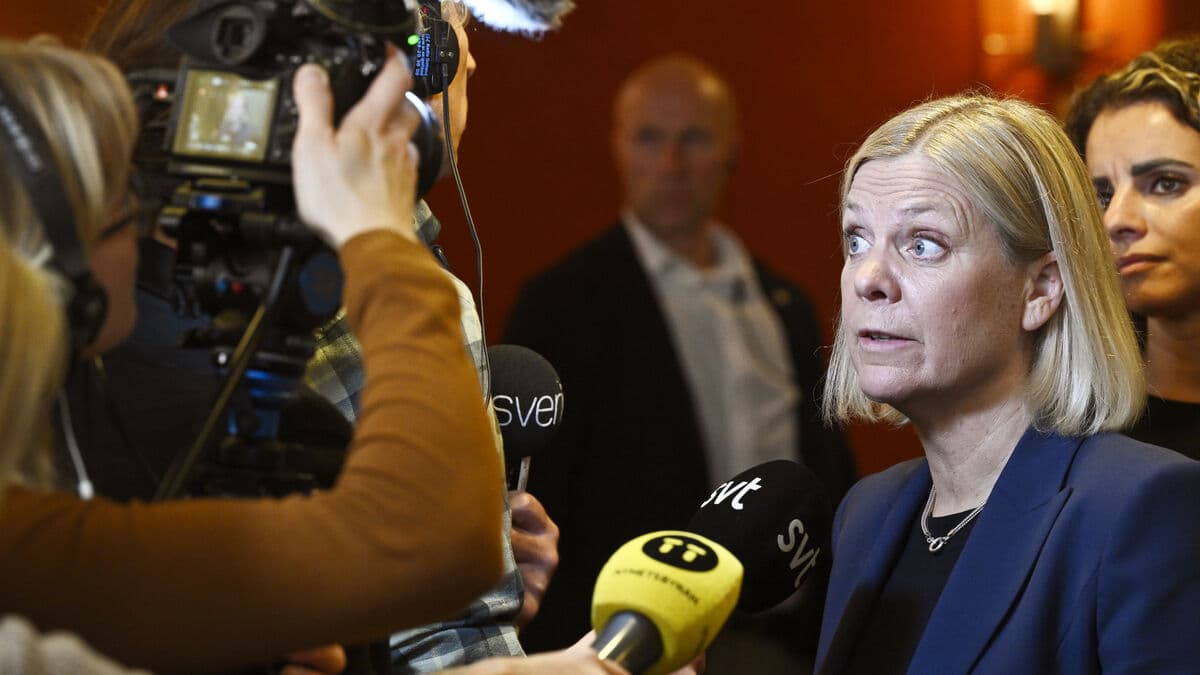
"I think it's terrible. It means that ordinary Swedes will have a tougher time at Christmas. It will be more expensive to drive a car and there will be less left over for other things," says Henrik Vinge (SD).
Edward Riedl (M), deputy chair of the committee, points out on X that the Ministry of Finance said at the meeting that it would be possible to lower fuel prices on December 1 if the committee agreed.
However, for the larger tax cut, which expires on December 1 and amounts to around 3 kronor per liter of gasoline, the European Commission requires Sweden to continue to be exempt from the EU's minimum tax rate.