The three countries reportedly received detailed warnings after CIA Director John Ratcliffe visited Moscow in August, the Spanish newspaper writes.
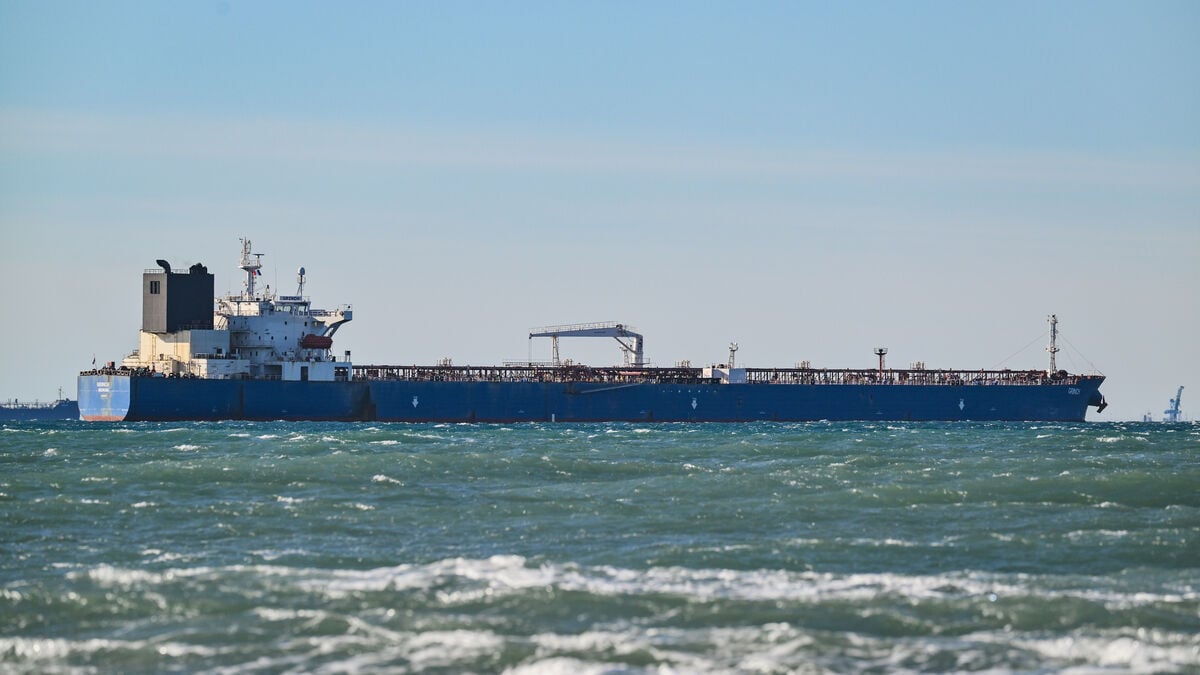
These are believed to be attacks using so-called Gerbera drones, a small Russian drone that can be fired from, for example, merchant ships and has a range of 600 kilometres.
"They will use drones launched from the sea, hidden in a shipping container. It is not difficult at all," the anonymous Lithuanian source told El Mundo.
So divided before the election
Gerbera drones can only carry a limited amount of explosives. They are not intended to cause major damage, but can be used to start fires, disrupt air traffic, or symbolically demonstrate that Moscow has the capacity to reach the part of Europe that is furthest from Russia.
All three of the countries named are going to elections in 2027. The purpose of the sabotage attacks is believed to be to create fear among the population and thus strengthen the forces that want to scale back support for Ukraine. Not least in France and Italy, there are parties that advocate a more pro-Russia policy.
The sabotage is also believed to be a way to create division among NATO countries.
Many attacks
Russia has already been singled out for similar sabotage and hybrid attacks by several European countries, including Germany, where the government has formally accused Moscow of an attempted attack with armed drones against Leipzig airport in August.
And the provocations seem to be escalating. Last week, a Russian frigate fired warning shots at a Danish military helicopter in international waters near Falster, Denmark. The same week, an explosive-laden Russian Gerbera-2 drone was found in the sea off the village of Rusinowo in northwestern Poland.