
1. Democrats take control of Congress
Two years ago, the Republicans won a grand slam, taking control of both the White House and Congress. Now the Democrats have emphatically won majorities in both chambers of Congress, the Senate and the House of Representatives.
It is common for the incumbent president's party to lose ground in midterm elections. But the Democrats are forecast to win their largest majority in the House of Representatives in decades. American media describe the success as a blue wave or tsunami, referring to the Democrats' party color.
2. The consequence: Trump weakened
The Democrats may be heading for a landslide victory that will give them the opportunity to set the agenda for the next presidential election. But the party will not be able to reach the supermajority required to override a presidential veto. In other words, Trump can still veto bills passed by Congress before they become law.
At the same time, the election result is a setback for Trump. He still has the power to issue executive orders, but Senate approval - and thus the Democrats' approval - is needed to appoint new ministers, Supreme Court justices and ambassadors.
The Democrats are also expected to launch investigations into corruption. However, the party lacks the number of votes required in the Senate to convict Trump in a potential impeachment trial.
3. Historic results in several states
At the time of writing, the Democrats have taken seven Senate seats from the Republicans. Three states stand out from a historical perspective, as they have not elected a Democratic senator in decades. Annie Andrews is South Carolina's first Democratic senator elected since 1998, James Talarico is Texas' first since 1988, and Adam Hamilton is Kansas' first since 1932 - almost 100 years ago.
In Texas, the shock was equally great over the new governor, Gina Hinojosa, who defeated Republican favorite Greg Abbott. The results in the state are described as a political earthquake.
In Michigan, left-wing Democrat Abdul El-Sayed is making history by becoming the first Muslim senator.
4. Trump: I didn't lose
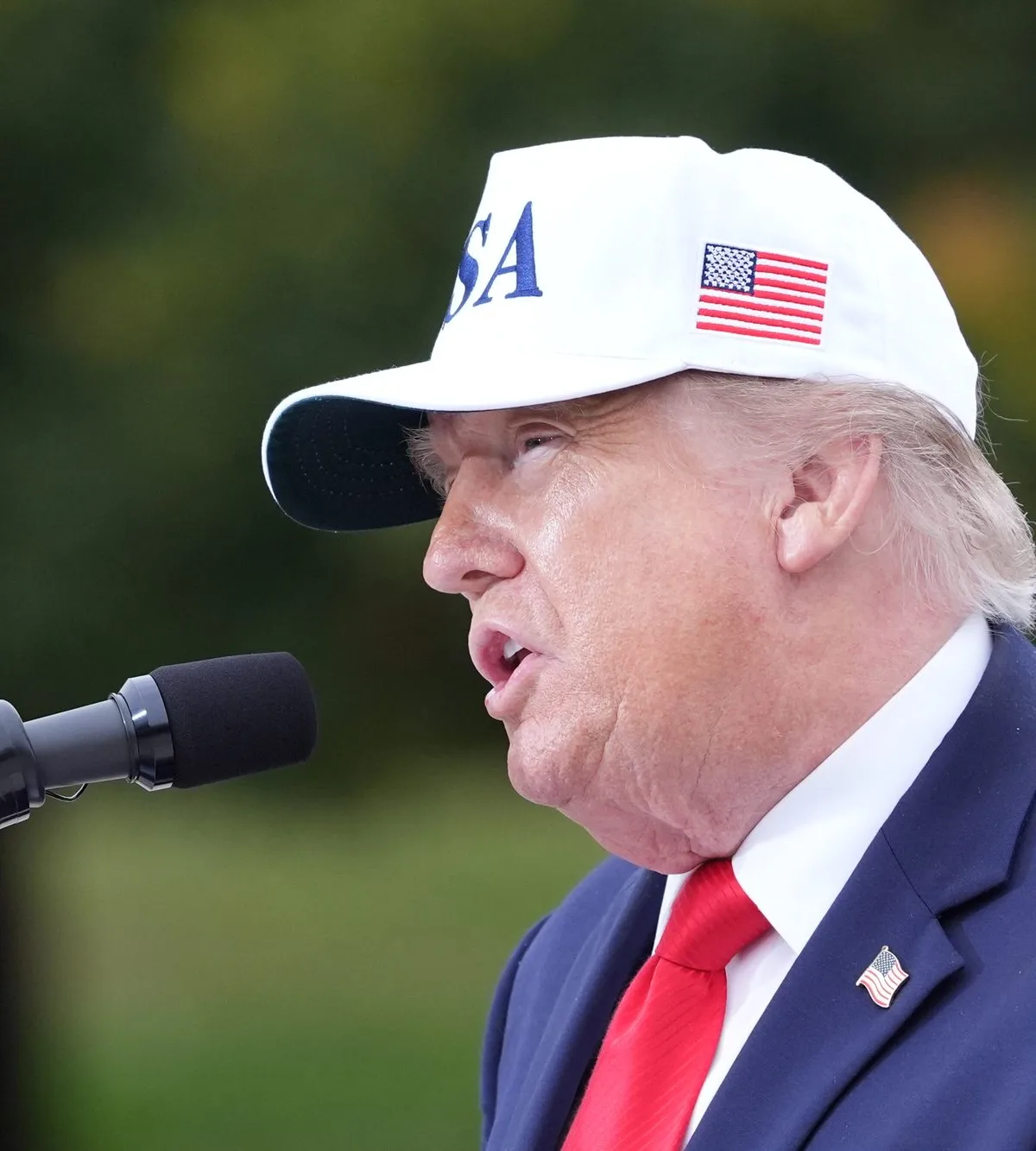
Ahead of the election, Trump encouraged voters to "pretend I was on the ballot." Once the results began to become clear, he wrote on social media: "I wasn't on the ballot. If I had been, we would have won big."
Trump, who has acknowledged the election results, is signaling that he intends to use his veto power. But he has also said that he is ready to cooperate with the Democrats.
Some analysts describe the result as a "rejection of Trump," who has low approval ratings. Polls indicate that the biggest issue for voters has been the high cost of food and gasoline.






What do you think?