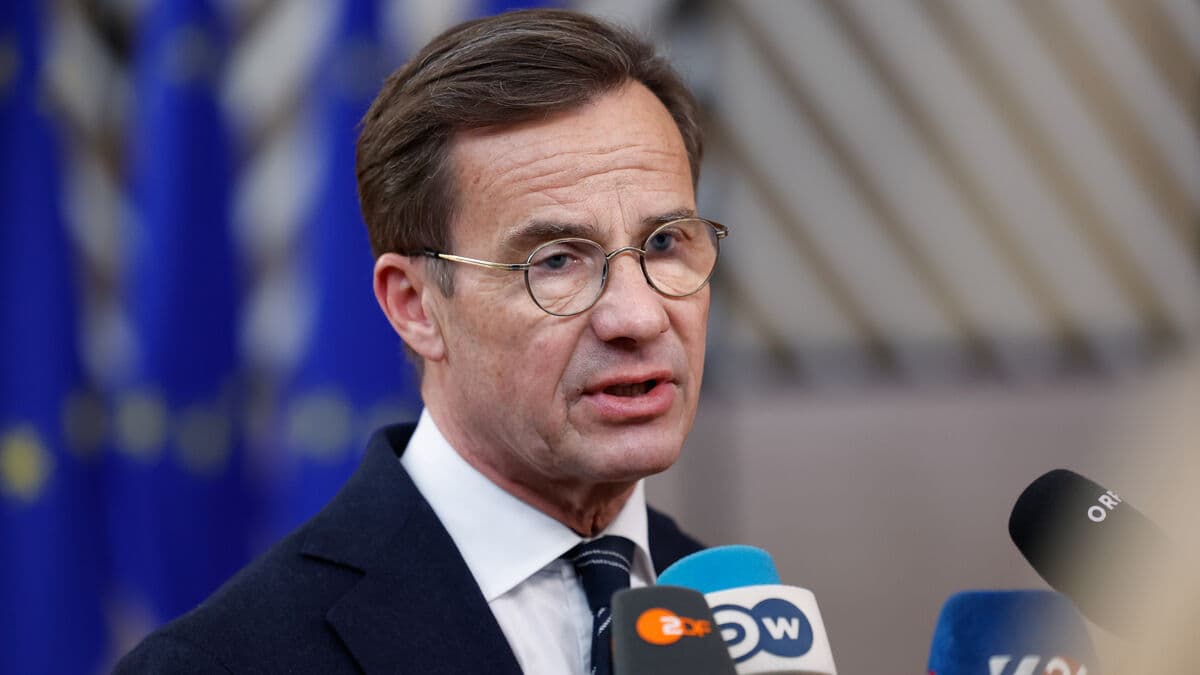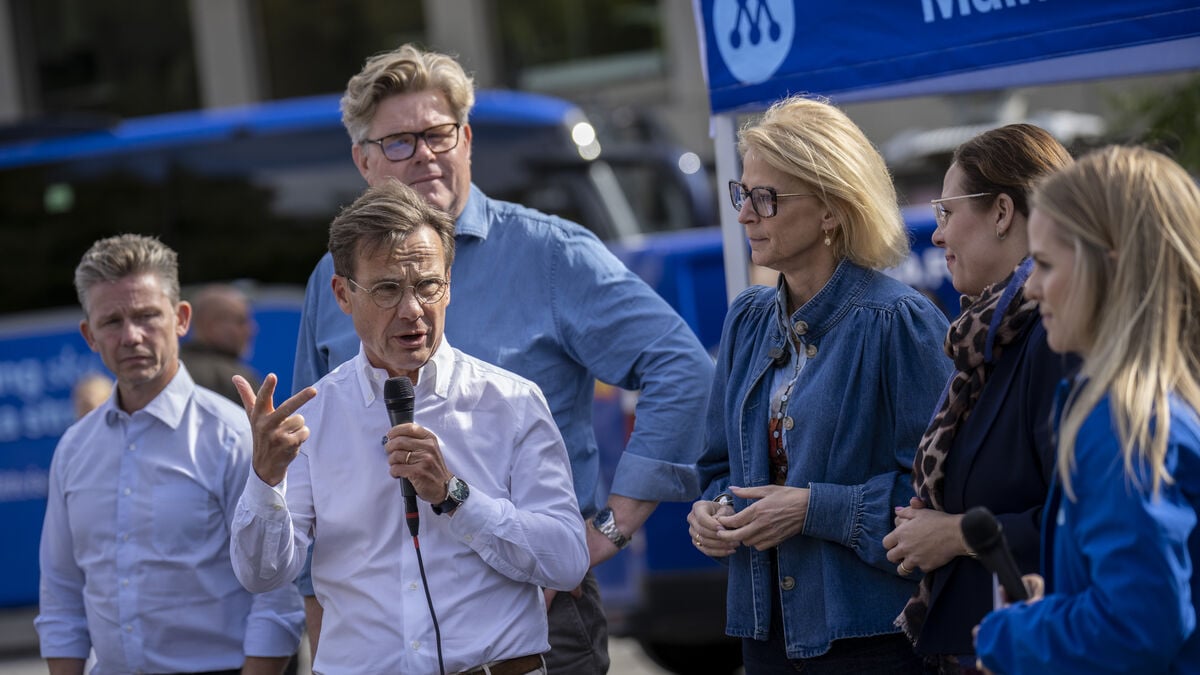
Overall, we estimate that there are approximately 700 Swedish criminals hiding abroad, says Prime Minister Ulf Kristersson in Helsingborg.
Countries that receive aid must fully cooperate with Sweden on issues related to crime and punishment.
According to Minister of Justice Gunnar Strömmer (M), this does not apply to humanitarian aid. He mentions Lebanon and Syria as two countries with which he would like to see Sweden conclude a cooperation agreement.
It is also an important signal for us to send: You know, it doesn't matter where you go, we will follow and we will establish relations with that country as well, he says.
The Moderates are going to the polls to intensify efforts to catch serious criminals abroad, and want it to become a stated foreign policy priority.
Among other things, the party wants Swedish missions abroad to actively raise the issue and establish local police cooperation.
Existing cooperation on law enforcement and extradition with countries such as the United Arab Emirates, Turkey, Iraq, Morocco and Tunisia will be developed.
New agreements are to be signed with countries outside the EU, such as candidate countries and countries such as Lebanon and Syria.
Swedish aid is to be used to strengthen the capacity of the judicial system in other countries, with a requirement that recipient countries fully cooperate with Sweden in criminal cases.
Collaboration within the European coalition against organized crime should increase, including by using the EU's sanctions regime as a foreign policy tool.
Source: Moderates