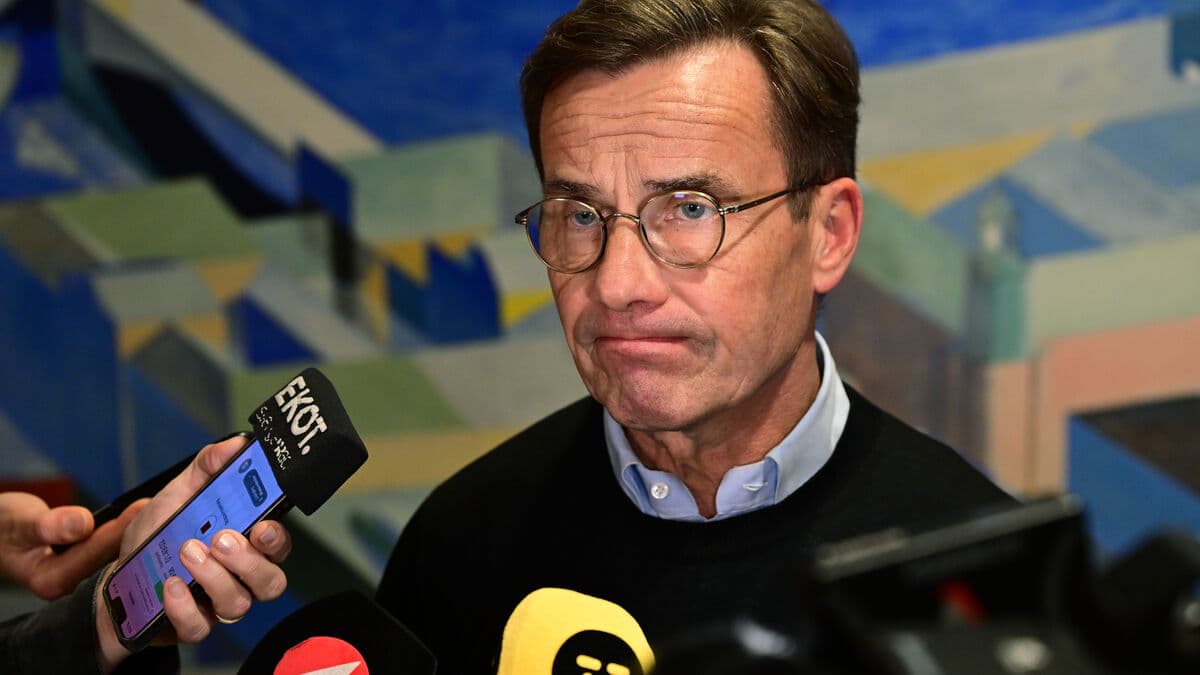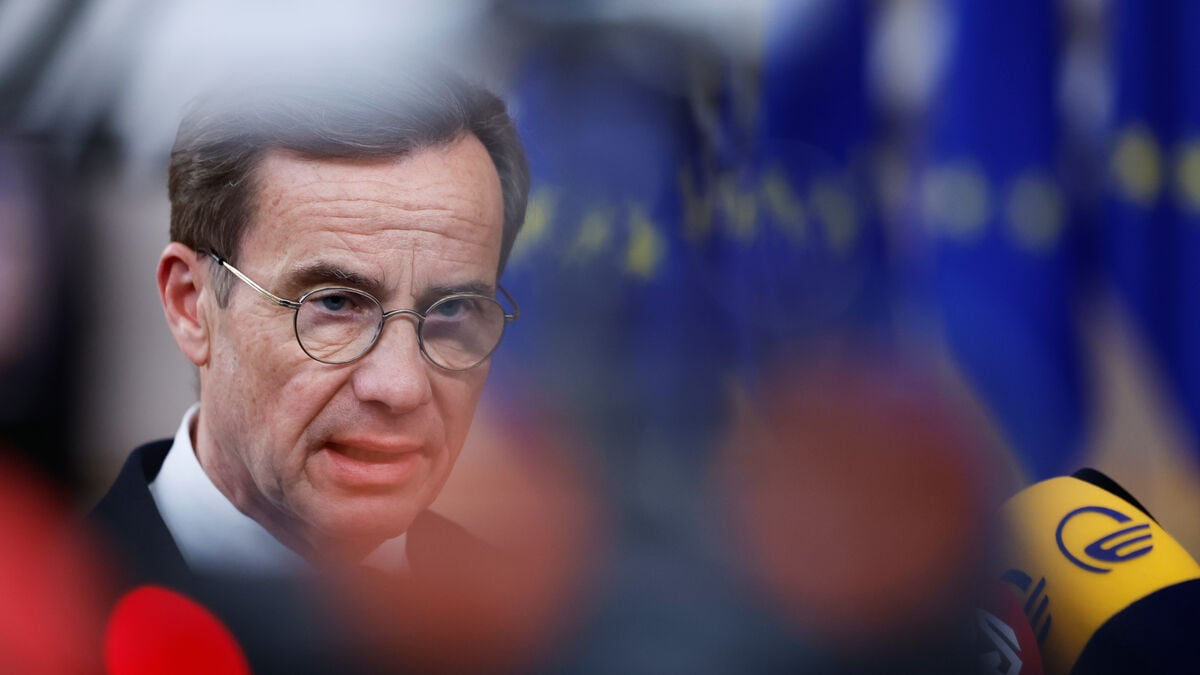
Sweden is one of the EU’s major net contributors, paying in more than it receives. Ulf Kristersson is highly critical of an Irish budget draft presented ahead of the meeting, which he says would increase Sweden’s EU contribution “by several billion”.
Sweden is not an ATM for the EU, he says.
Should be ready by the end of the year
The EU presidency aims to reach a final budget agreement before the end of the year, so that implementation decisions can be made in 2027 - well in time for the budget to come into effect in 2028.
It will not be a lack of time that makes Sweden give up on this point. We must now be strict, he says.
A budget that comes into effect in 2028 should have been decided before 2028. But again, Sweden cannot be in a hurry to reach a compromise if we don't think it's good. Of course not, he adds.
The fact that a number of large EU countries - including France - are facing elections in 2027, with Eurosceptic parties doing well in opinion polls, does not make it particularly important to complete the budget process quickly.
"There are elections in Europe all the time. We (Sweden) have just had elections. There will be a large number of elections in 2027 and then 2028. I don't think those arguments hold up," says Kristersson.
This is also a way for those who want to expand the budget and take more money from us, who are already net contributors, to say that we should hurry, the Prime Minister adds.
Spain: “Clearly insufficient”
On the opposite side in the budget battle are countries such as Poland, Italy and Spain, which are part of a group of 17 countries that call themselves “friends of cohesion”.
Clearly insufficient. This is not acceptable to the Spanish government, says Spanish Prime Minister Pedro Sánchez on his way into the meeting.
He wants an “ambitious” budget, not only for traditional areas such as agricultural and regional policy, but also for dealing with migration.
"We cannot accept a significant cut in all areas that deal with cooperation with countries of origin and transit," Sánchez says, referring to the need for money to manage migration flows.
German Chancellor Friedrich Merz is still hopeful of a deal this year - even if that means the final summit in December could be extra long.
We'll probably have to pack a few more shirts than usual, says Merz in Brussels.
Facts: EU summit in Brussels
A wide range of issues will be discussed during this week's EU summit in Brussels.
Thursday's session began at 11 a.m. with discussions on competitiveness, rising energy prices and global macroeconomic imbalances - which in practice means the EU's trade relationship with China. The long-term budget for 2028-34 will then be discussed before the evening's final topic: the state of play on enlargement and the reforms that will be required.
On Friday, Ukraine will be discussed, with President Volodymyr Zelenskyy as an invited guest. This will be followed by talks on defense and security, the situation in the Middle East, and migration.
The summit is expected to end after lunch on Friday.