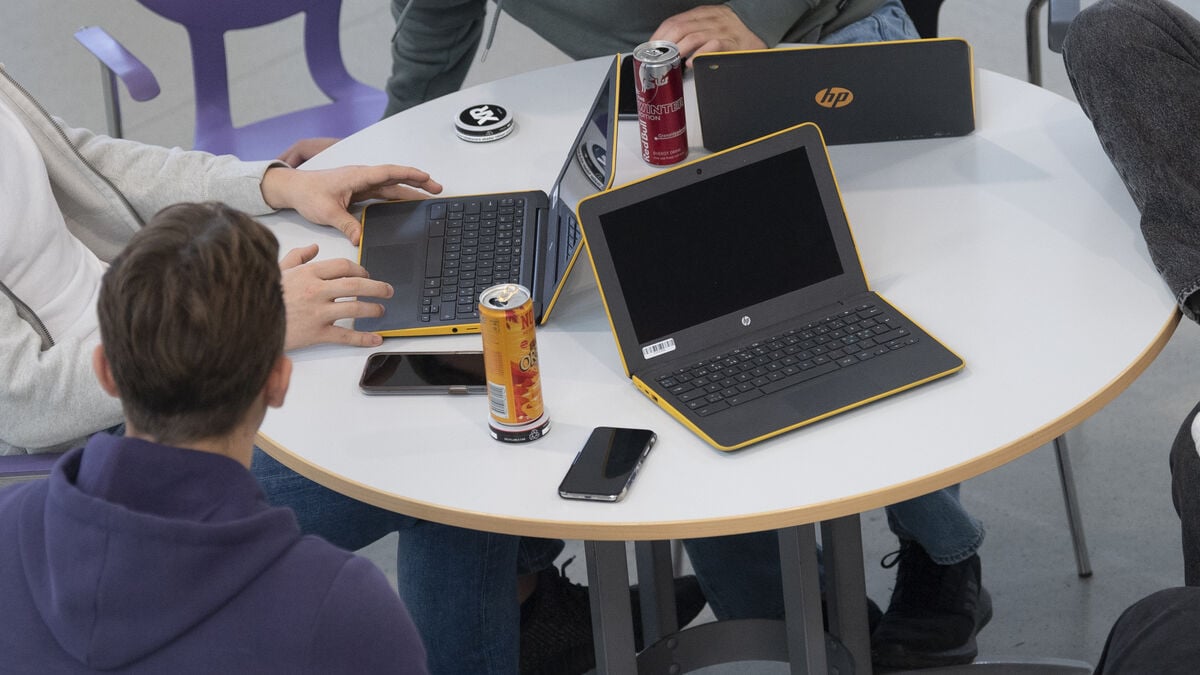
Sales of energy drinks doubled in the Nordics between 2014 and 2024. Teenagers account for a large share of consumption – but how often do they drink and how are they affected?
A new Nordic study, led by the Swedish National Food Agency, provides answers.
Swedish 15- to 19-year-olds stand out in that they drink energy drinks more often than teenagers in the rest of the Nordic region. Seventy-five percent drink them every week, and 28 percent drink them at least once a day. The taste and energy boost are the most appealing, but 38 percent of those who drink energy drinks report difficulty sleeping.
Swedish teenagers also show signs of addiction to a slightly higher degree, such as fatigue and headaches if they do not top up on energy drinks.
Higher caffeine content
Swedish teenagers do not drink large amounts on every occasion, but they do consume more caffeine.
The most popular energy drink in Sweden contains quite a lot of caffeine. In Denmark and Norway, there are maximum levels, so energy drinks there may not contain more caffeine than the brands with the lowest content in Sweden, explains toxicologist and project manager Sabina Litens Karlsson at the Swedish National Food Agency.
The study does not provide answers to why Swedish teenagers drink more often, but Sabina Litens Karlsson points to some possible explanations.
Several of the other countries have more regulations than Sweden regarding the marketing of unhealthy products. Norway has also introduced an age limit of 16 years.
In Sweden, there is dietary advice that young people under 16 should not drink more than 70 milligrams of caffeine per day. This corresponds to 125-220 millilitres of energy drink depending on the caffeine content. However, according to the Nordic study, the vast majority of Swedish teenagers drink 250-330 millilitres at a time.
There is no Swedish ban on marketing, even though the Public Health Agency and the Swedish National Food Agency have proposed it to the government. There is also no age limit, even though many stores themselves have set a 15-year age limit.
Worryingly high
The Swedish National Food Agency will now turn directly to young people in the Nordic countries to work with them and experts to find out how to reduce consumption among teenagers. According to Sabina Litens Karlsson, it is worryingly high.
Yes, I would say that considering that it is so connected to everyday life. Swedish young people are more likely to say that they need energy drinks to perform at school. About half also say that they sometimes can't get through the day without an energy drink.
The study is based on responses from just over 4,900 young people aged 15-19 in the Nordic countries.
The study was led by the Swedish National Food Agency, with support from the Nordic Council of Ministers.
61 percent drink energy drinks at least once a week (Sweden: 75 percent)
22 percent drink energy drinks at least once a day (Sweden: 28 percent)
30 percent have felt a negative effect from energy drinks. (Sweden: 31 percent).
Most common negative effects: Heart palpitations, difficulty sleeping, headache.
15 percent of those who usually drink energy drinks have felt discomfort when they don't drink. (Sweden 19 percent)
Most common complaints: Fatigue and headache.
17 percent feel they can't get through their day without an energy drink (Sweden: 19 percent)
Source: Swedish National Food Agency