The Swedish labour market has struggled to keep pace with the economic upturn. But now the trend appears to be turning, especially in many blue-collar occupations.
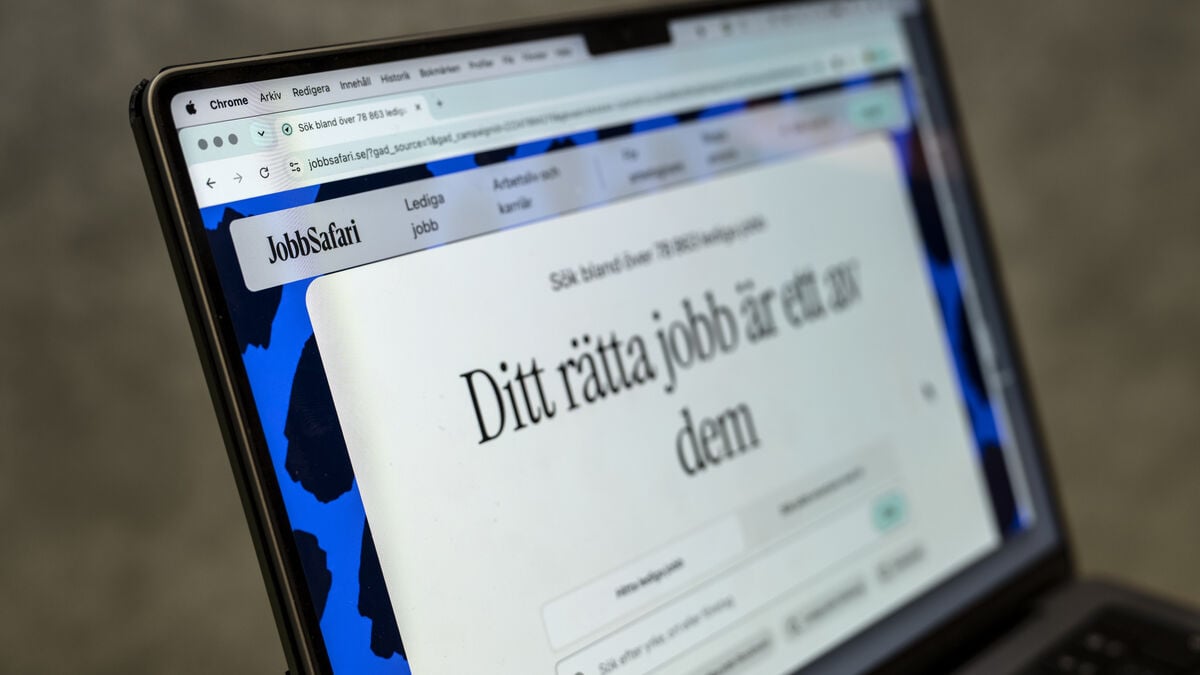
Construction stands out, with an increase of 22 per cent. Overall, the number of job adverts in September rose by a more modest 1.7 per cent compared with the same month last year, according to figures from Jobbsafari, a leading private job advertising site in Sweden.
The increase is widespread geographically, according to Anita Rae, labour market manager at Jobbsafari. But so far, it is mainly visible in practical occupations.
I think the turnaround can last
The number of employers advertising is also rising, up 3.8 per cent overall in September and 15.8 per cent in construction.
Rae describes the trend in the job advertising market as a turnaround that could last.
Now we should perhaps dare to say that the long decline we have measured in our data has been broken, she says.
I see it as a stabilisation, an incredibly positive sign that the labour market is recovering, she adds.
Construction attracts others
For three years, until April 2026, there were fewer adverts each month on Jobbsafari than in the same month the previous year. The period was marked by inflation, high interest rates, tariffs and the effects of wars in Ukraine and the Middle East.
But since May this year, we have started to see a turnaround. And construction is by far the strongest sector in this growth, Rae says.
The construction industry usually leads the way for other occupational categories, so I would say these are positive signs, she adds.
Another large sector seeing a higher rate of job adverts is hospitality, with almost 15 per cent more than in September last year. However, the number of adverts in the sector was 2.4 per cent lower in January-September this year than during the same period last year.
Worse trend in the service sector
Transport, warehousing and logistics were up 12 per cent in September, but have also been down since the start of the year.
The largest occupational category, healthcare, was down 1.8 per cent in September.
White-collar jobs generally have a clearly worse trend than traditional blue-collar jobs. Sales and trade were down 13.9 per cent in September and have fallen 16.6 per cent so far this year, based on job adverts. Data, IT, finance, administration and office jobs are also down both in September and so far this year.