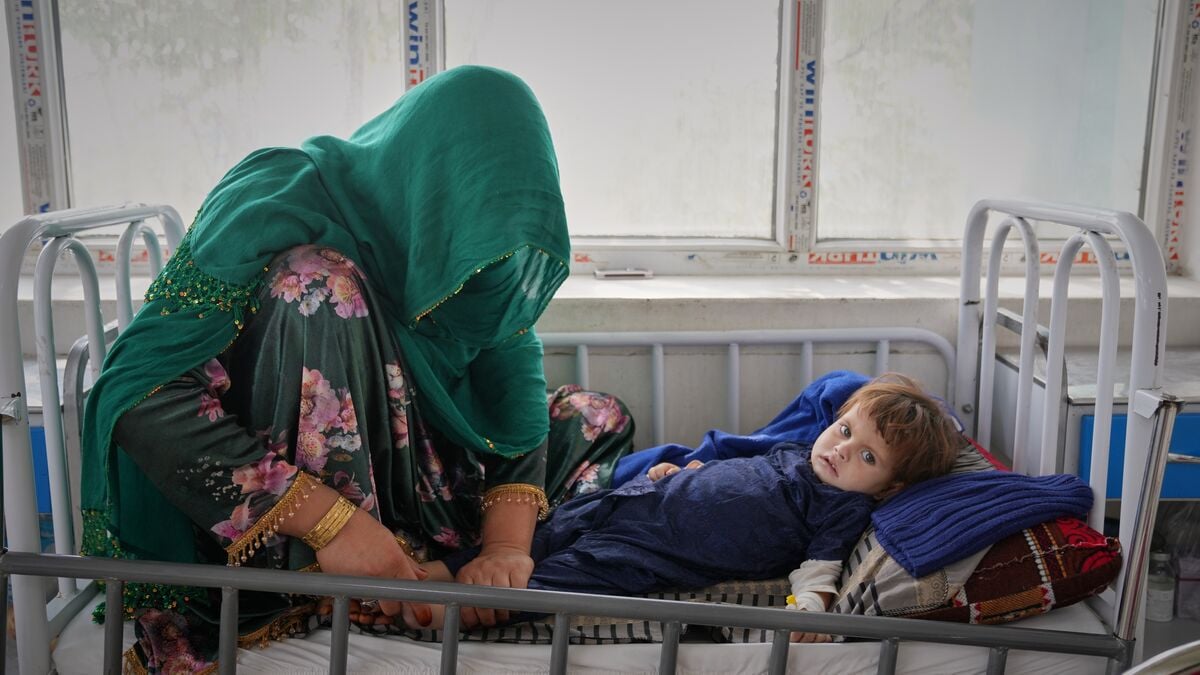
Swollen hands, bellies and feet, but thin limbs. Some have white surgical tape on their faces to keep a nasal tube in place. Malnutrition is a fact of everyday life for many children in Afghanistan, where families do not have enough money for food.
"I worry about her, that she might die," says Malika, whose three-year-old daughter, Kalsoum, is being treated in the malnutrition ward at Afghanistan's leading children's hospital, Indira Gandhi.
She also worries about her three sons. When her husband does find work, which is not every day, he earns 30-45 kronor a day. It is not enough to feed the family. A few months ago, their five-year-old daughter died of malnutrition.
Kalsoum occupies one of the ward's 20 beds. The hospital cannot afford more, even though the need is far greater. Sometimes two children share a bed, and the ward is almost always full.
“Unprecedented levels”
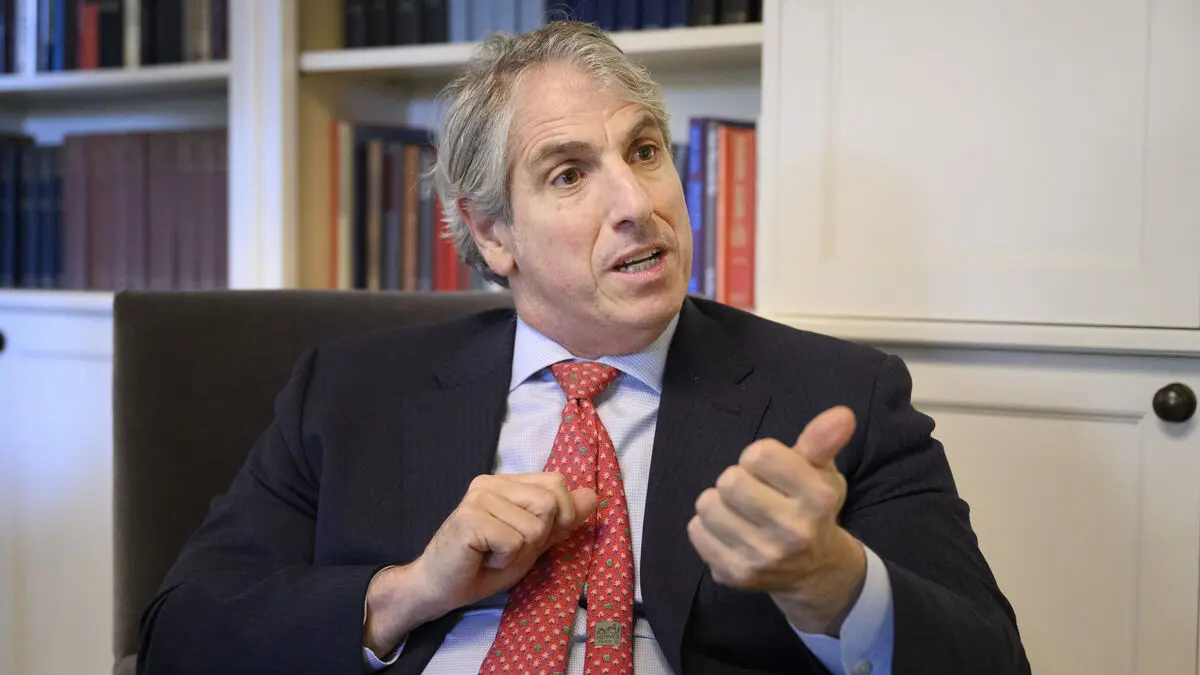
More people are suffering from hunger now than ever before, says John Aylieff, country director for the UN World Food Programme (WFP) in Afghanistan.
According to him, almost 40 percent of the country's population, or 19 million people, will face a "life-threatening type of hunger" in the coming months.
Acute malnutrition has already reached unprecedented levels, says John Aylieff.
100 clinics have closed
Afghanistan is one of the world's poorest countries, scarred by decades of conflict. And since the Taliban took power five years ago, aid from international donors has fallen sharply, forcing even more people into poverty.
Due to aid cuts, more than 100 clinics treating malnourished children have closed this year alone, according to the UN Children's Fund, UNICEF.
WFP receives more food aid in Afghanistan than any other organization, but humanitarian organizations are receiving less and less funding. The food program currently has only 12 percent of the funding it had for Afghanistan in 2022.
"We are forced to turn away six out of seven acutely malnourished women and children from health clinics. We simply have no food to give them," says John Aylieff.
According to a UN report from August, around 3.7 million children suffer from one of the most dangerous forms of malnutrition.
WFP estimates that 5.3 million people will need treatment for acute malnutrition next year.
That is an increase of 1.3 million since 2022.
Source: UN, WFP