When the global framework for the Earth's species and ecosystems was hammered out at COP15 in December 2022, many saw it as a last chance to stop biodiversity loss. At COP17 in Yerevan, Armenia, a global review of the steps countries have taken towards achieving the goals of the so-called Kunming-Montreal Global Biodiversity Framework was carried out for the first time.
The framework includes 23 action targets to be achieved by 2030, including protecting 30 percent of land and oceans and halving food waste. But ahead of the first review, most of the targets look distant.
Guidance ahead
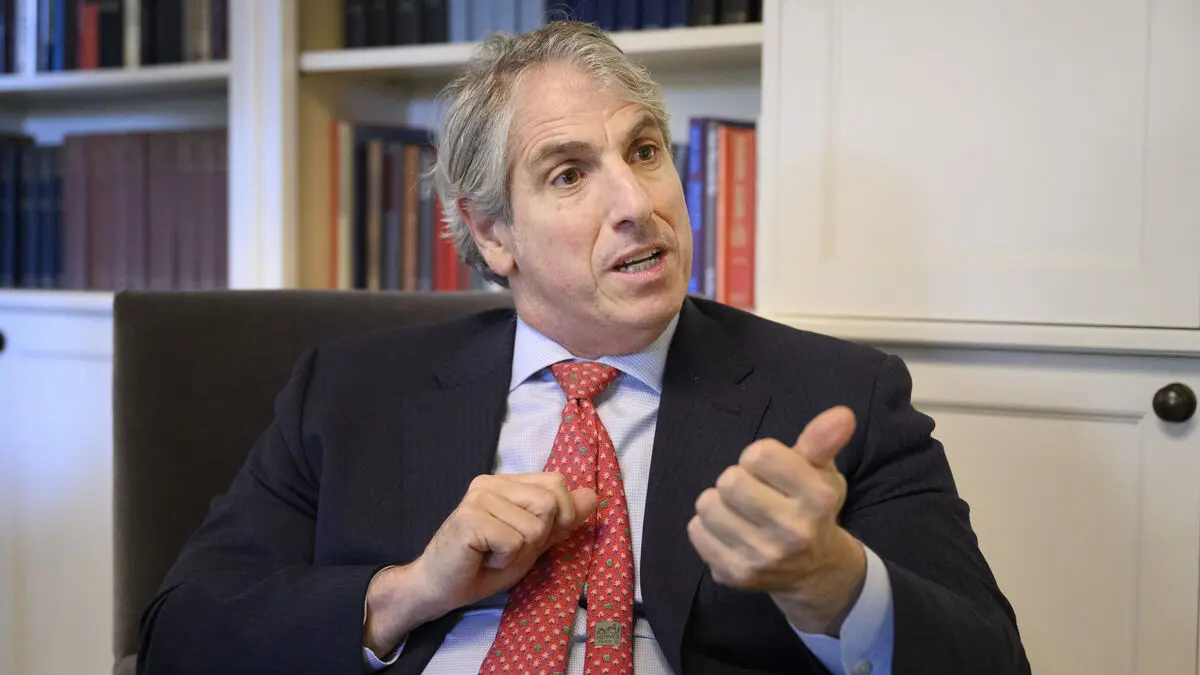
Charlotta Sörqvist, who leads the Swedish negotiating delegation, says it is clear that more needs to be done.
A very good outcome from this COP would be if there was a decision that gave clear guidance to countries on how we should move forward, perhaps pointing out certain goals where more needs to be done so that we can use that as a basis for continued implementation.
This will be the fifth time she has led the Swedish negotiating delegation, and she has seen interest in the biodiversity meeting grow.
We have a number of stakeholders who follow the issues and are active, not least in the business community. This means that we can continue to have a dialogue between the parties' meetings.
Ankin Ljungman, policy manager at WWF, hopes for renewed energy in the work going forward and for countries to be willing to carry out the work they have committed to.
When the plan was adopted, there was broad agreement that we must halt and reverse the loss of biodiversity. If we fail to meet the target by 2030, the costs of delaying action will be much higher. The more nature we lose, the harder it will be to reverse the trend.
Take initiative
An important part of the meeting, in addition to the negotiations, is the collaboration and coalitions that emerge on the sidelines, where countries decide to cooperate.
It's about making ambitious decisions within the negotiations, but also about showing outside the negotiating room that you are willing to take the initiative and lead the way, says Ankin Ljungman.
Sweden will not join any new collaborations at this year's meeting, Charlotta Sörqvist explains.
We have a transitional government, which means we are sticking to the positions established during the preparatory work and, for example, are not joining any new coalitions or initiatives.
The UN Biodiversity Summit is usually held every two years. This year, the meeting will be held in Yerevan, Armenia, from 19 to 30 October.
COP stands for Conference of the Parties and refers to the parties to the UN Convention on Biological Diversity. The number indicates which meeting it is in the sequence.
In 2022, Montreal, Canada, hosted the event. The historic agreement reached there includes 23 action targets and is called the Kunming-Montreal Global Biodiversity Framework.
The name Kunming was included because the Chinese city was supposed to host the meeting, but this was changed due to China's Covid restrictions at the time.