When EU leaders meet in Brussels on Thursday, the EU's long-term budget for 2028–2034 will feature prominently on the agenda.
EU President António Costa aims to reach an agreement before the end of the year.
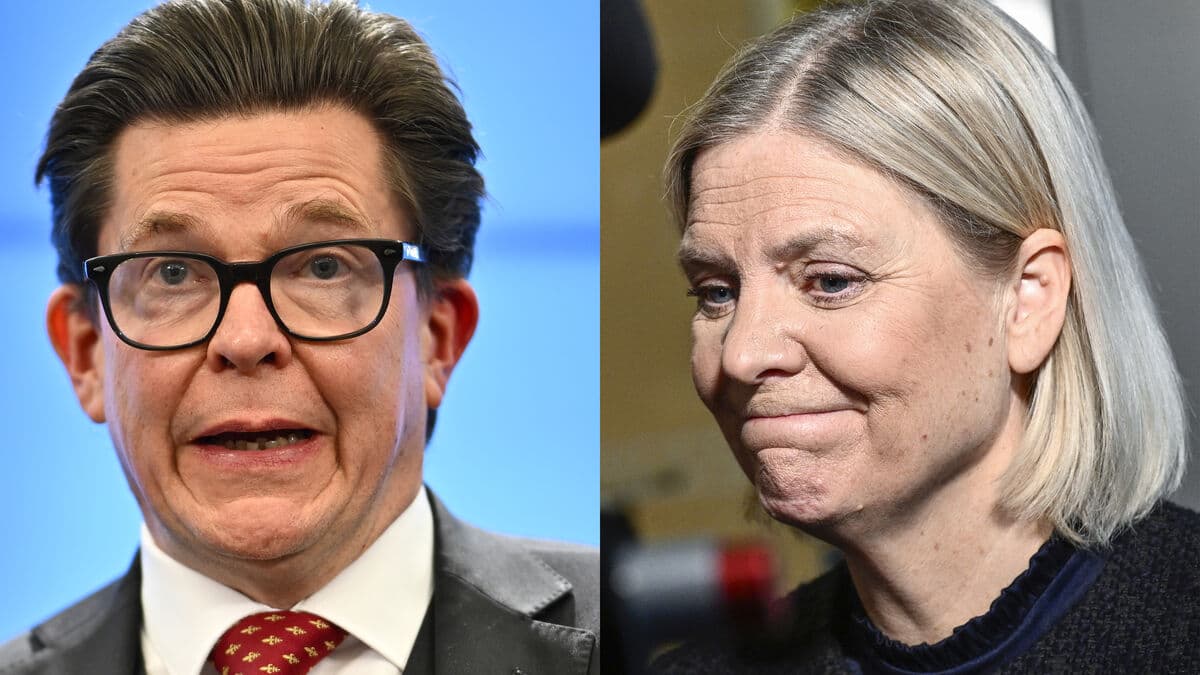
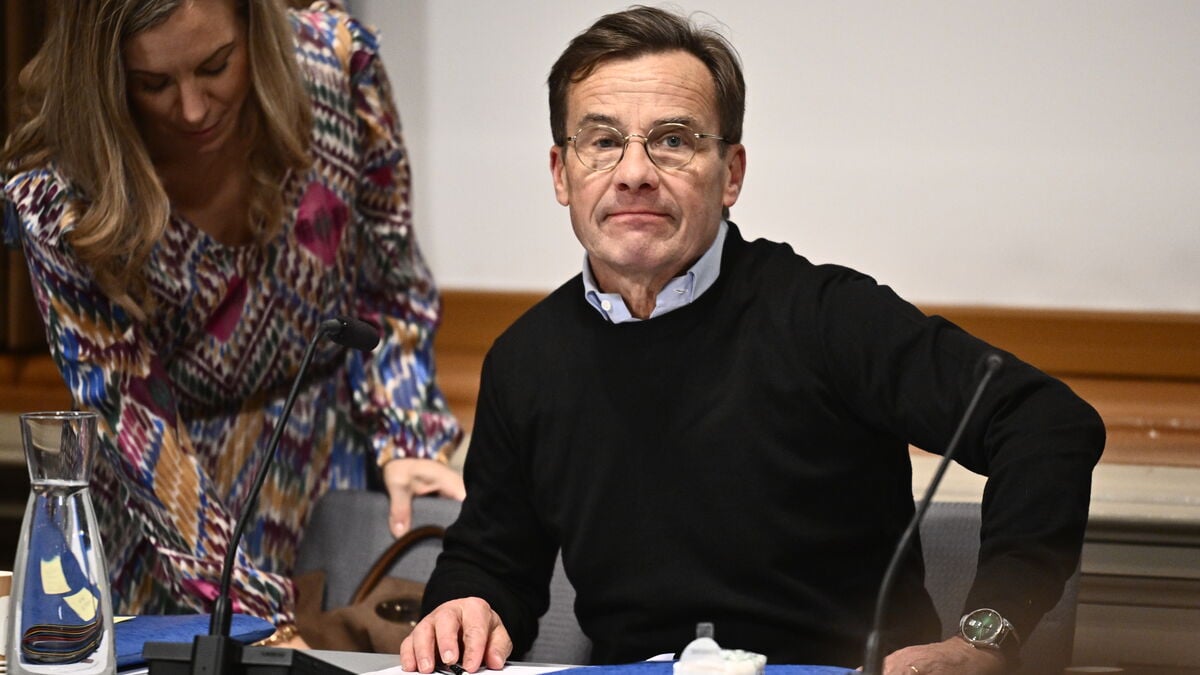
If it is to succeed, much more is needed than what has been presented so far, Kristersson says in the Riksdag (the Swedish parliament) EU Committee.
We are still far from an agreement.
Too little
The Irish EU presidency presented a compromise proposal a few days ago that would bring the EU's total spending over the seven years to €1,622 billion. This is €108 billion less than in the previous compromise proposal, presented by the Cypriot presidency in June.
"It's way too little," Kristersson says.
According to the Irish, the compromise proposal would increase the EU's financial commitments by 30 percent compared with the current long-term budget.
Fee increases
The Swedish government estimates that the proposal would mean a 60 percent increase in Sweden's contribution to the EU.
That is completely out of the question, Kristersson says.
Sweden is not the EU's ATM.
Germany, Denmark and a few other countries are also pushing to trim the proposed long-term budget.
No progress is expected at this summit.
The Riksdag supports the government's position.
Correction: The information about what the compromise proposal would mean has been changed.
Thursday
EU competitiveness
Rising energy prices
The EU's trade relationship with China
The EU's long-term budget 2028-2034
The state of EU enlargement
Friday
Ukrainian President Zelenskyy on the country's needs for winter
Security, defense and hybrid threats
Migration
Source: TT