Researchers from Umeå University, the University of Åland and Åbo Akademi University have investigated how marital status and changes in marital status are related to alcohol consumption among older people, in the 65- to 85-year-old age group.
Women at risk
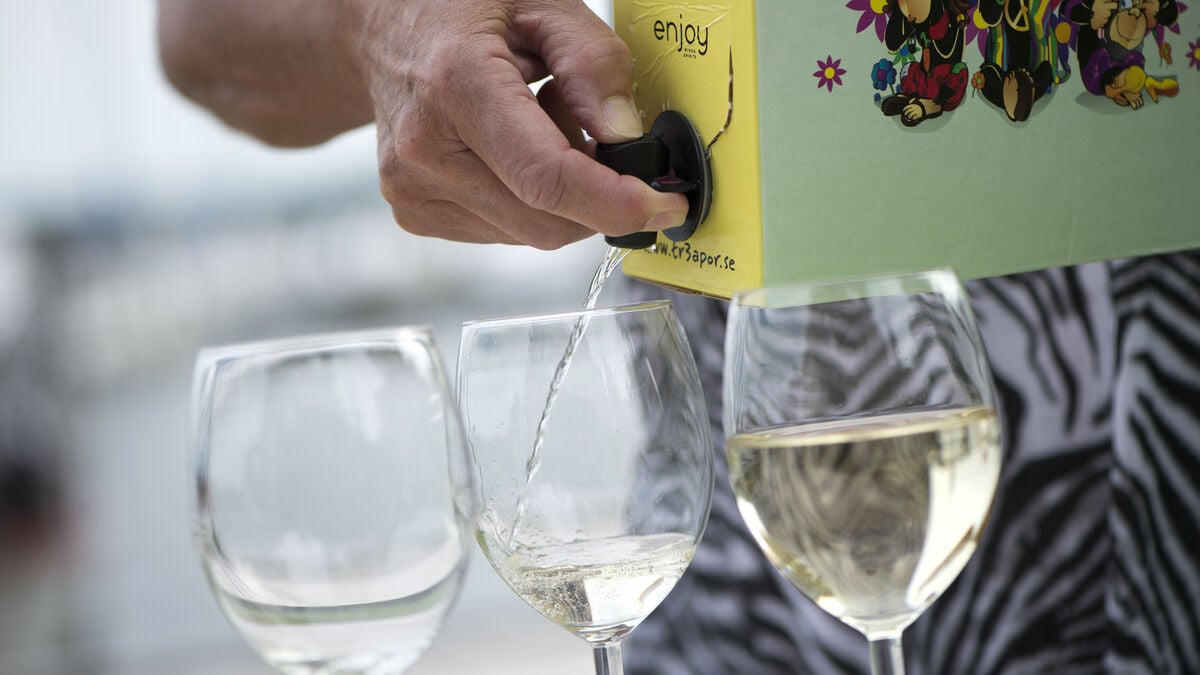
Older people without a partner more often abstained from drinking alcohol completely, while people in relationships, and especially women, more often engaged in risky drinking or binge drinking.
Many people believe that older people turn to the bottle when they lose their partner, but our study shows that it is exactly the opposite. It is those who live as couples who drink more, says Erika Boman, researcher at the University of Åland and lecturer at the Department of Nursing at Umeå University, to TT.
The major risk group in this context is women. They increase their drinking in relationships and adapt more to men's drinking, she continues.
Erika Boman believes that the results of the study are largely due to the fact that older people have a habit of drinking alcohol in social contexts in a way that younger people do not.
When I talk to people in the research community and also in general, many are surprised by the results, and we are too to some extent, she says.
Talk to the doctor
What should you think about your drinking as an older person in a relationship? Erika Boman believes that you shouldn't be afraid to raise the issue with your doctor.
If you are sick or taking medication, you should discuss with your doctor what you as an individual should consider. The international recommendations are that older people should not drink at all, as there are no studies that say that there is a safe level of drinking for older people. But that type of recommendation is tricky because we know that few people will adhere to it, she says.
A total of 5,071 people aged 65-85 were included in the study (of whom 53.6 percent were women) and were followed over two measurement occasions, in 2016 and 2021.
The researchers examined the participants' marital status - married, cohabiting and separated, as well as single, divorced and widowed - and mapped how changes in relationships affected well-being over time. Using screening tools, the participants' alcohol habits were measured in 2021, divided into everything from abstinence and low-risk consumption to risky use and heavy drinking at least once a month.
Through statistical analysis models, the researchers have been able to map the connections between relationships, alcohol use and the risk of depression in the elderly.