Illustrative photo: Dmitry G, public domain, Wikimedia Commons

Getting around Sweden: public transport, cycling and car sharing

Guide · ExplainerLast checked 4 November 2026

How does public transportation work in Sweden?

Sweden has an excellent public transportation system. In cities, you'll find:

  • Buses: Extensive networks covering cities and suburbs
  • Subway (Tunnelbana): In Stockholm only, with three main lines
  • Trams/Light Rail: In Stockholm, Gothenburg, and Norrköping
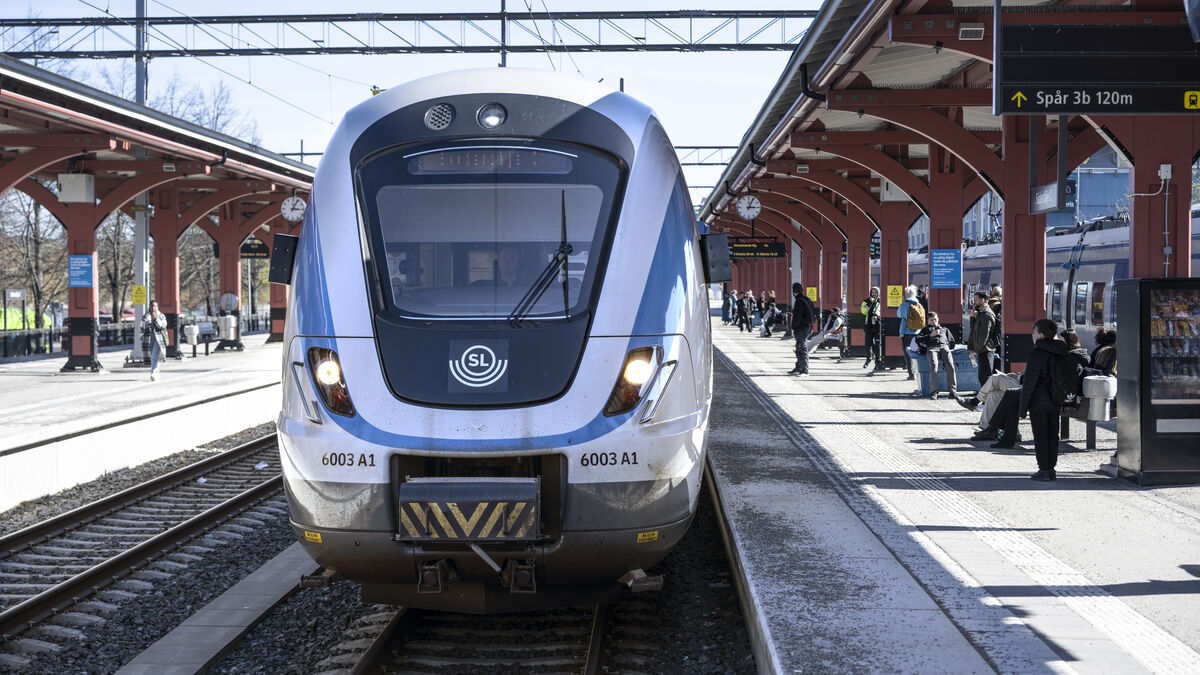
  • Commuter Trains: Connecting suburbs to city centers

Between cities, there are:

  • National Rail (SJ): High-speed and regional trains
  • Regional Buses: Connecting smaller towns
  • Domestic Flights: For longer distances

Payment is typically through transportation cards (SL Access in Stockholm,
Västtrafik card in Gothenburg, etc.) or smartphone apps.
Single tickets, day passes, and monthly passes are available. Most public transport information is available in English.

Is cycling popular in Sweden?

Cycling is very popular in Sweden, with excellent infrastructure in most cities. You'll find:

  • Extensive dedicated bike lanes and paths
  • Bike parking facilities throughout cities
  • Bike-friendly public transport (you can bring bikes on some trains and boats)
  • Bike sharing programs in major cities

Cycling is practical for 8-9 months of the year in southern Sweden, though dedicated cyclists ride year-round with proper equipment. Winter cycling requires studded tires. Helmets are mandatory for children under 15 and recommended for adults. When purchasing a bike, invest in good locks as bike theft can be common in urban areas.

Are there car-sharing services in Sweden?

Yes, Sweden has several car-sharing options:

  • Avis: Car rental available in many cities
  • Aimo: Electric car sharing in Stockholm
  • Hertz: Available in major airports
  • Sixt: Available in select urban areas
  • Europcar: Available in select urban areas

Most services require a Swedish driver's license, BankID, and credit card. Pricing typically includes a monthly/annual fee plus hourly/daily rates. Car sharing is increasingly popular as an alternative to car ownership, especially in cities with good public transportation.

What's the best way to travel between cities in Sweden?

For long-distance travel in Sweden:

  • Train: The most comfortable option, with high-speed X2000 trains connecting major cities. Stockholm to Gothenburg takes about 3 hours. Book through SJ.se for best prices.

  • Bus: Companies like Flixbus, Vy buss, and Ybuss offer cheaper alternatives. Stockholm to Gothenburg takes 6-7 hours by bus.

  • Domestic flights: Fastest for longer distances (e.g., Stockholm to Malmö or northern Sweden). SAS and BRA (Braathens Regional Airlines) are the main carriers.

  • Car: Provides flexibility but can be expensive with fuel costs and potentially tolls.

  • Boat/Ferry: Important for archipelago travel and coastal routes.

Booking well in advance usually offers the best prices, especially for trains and flights.

Common questions

How does public transportation work in Sweden?

Sweden has an excellent public transportation system. In cities, you'll find: - Buses: Extensive networks covering cities and suburbs - Subway (Tunnelbana): In Stockholm only, with three main lines - Trams/Light Rail: In Stockholm, Gothenburg, and Norrköping - Commuter Trains: Connecting suburbs to city centers Between cities, there are: - National Rail (SJ): High-speed and regional trains - Regional Buses: Connecting smaller towns - Domestic Flights: For longer distances Payment is typically through transportation cards (SL Access in Stockholm, Västtrafik card in Gothenburg, etc.) or smartphone apps. Single tickets, day passes, and monthly passes are available. Most public transport information is available in English.

Is cycling popular in Sweden?

Cycling is very popular in Sweden, with excellent infrastructure in most cities. You'll find: - Extensive dedicated bike lanes and paths - Bike parking facilities throughout cities - Bike-friendly public transport (you can bring bikes on some trains and boats) - Bike sharing programs in major cities Cycling is practical for 8-9 months of the year in southern Sweden, though dedicated cyclists ride year-round with proper equipment. Winter cycling requires studded tires. Helmets are mandatory for children under 15 and recommended for adults. When purchasing a bike, invest in good locks as bike theft can be common in urban areas.

Are there car-sharing services in Sweden?

Yes, Sweden has several car-sharing options: - Avis: Car rental available in many cities - Aimo: Electric car sharing in Stockholm - Hertz: Available in major airports - Sixt: Available in select urban areas - Europcar: Available in select urban areas Most services require a Swedish driver's license, BankID, and credit card. Pricing typically includes a monthly/annual fee plus hourly/daily rates. Car sharing is increasingly popular as an alternative to car ownership, especially in cities with good public transportation.

What's the best way to travel between cities in Sweden?

For long-distance travel in Sweden: - Train: The most comfortable option, with high-speed X2000 trains connecting major cities. Stockholm to Gothenburg takes about 3 hours. Book through SJ.se for best prices. - Bus: Companies like Flixbus, Vy buss, and Ybuss offer cheaper alternatives. Stockholm to Gothenburg takes 6-7 hours by bus. - Domestic flights: Fastest for longer distances (e.g., Stockholm to Malmö or northern Sweden). SAS and BRA (Braathens Regional Airlines) are the main carriers. - Car: Provides flexibility but can be expensive with fuel costs and potentially tolls. - Boat/Ferry: Important for archipelago travel and coastal routes. Booking well in advance usually offers the best prices, especially for trains and flights.
Official sources

Updated 4 November 2026: Published from the FAQ import, with its official sources. General information, not legal, medical or financial advice.

Alva

The news on this

Was this useful?

What do you think?

Keep readingmore from Living

All