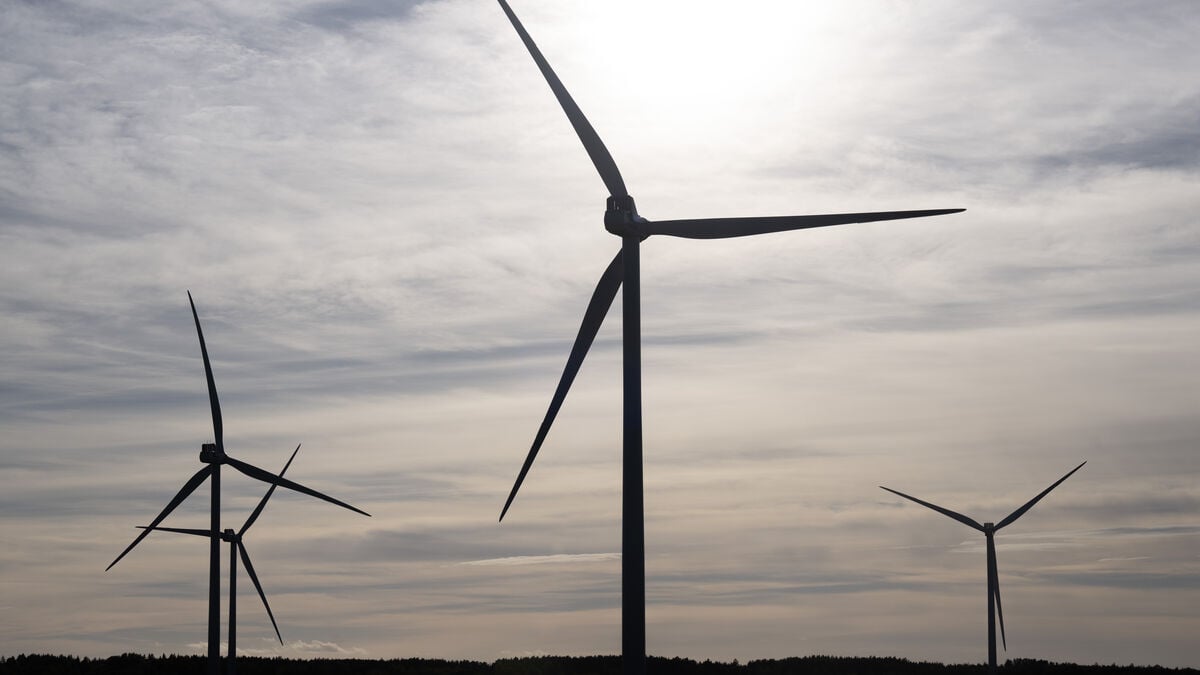
In recent years, investment in new wind power has come to a complete standstill. In the second quarter, not a single investment was made in new wind power or large-scale solar farms, according to new statistics from the industry association. And that is basically how it has been for almost two years, at least for the wind industry.
It is a combination of a worse market situation and political uncertainty that makes us wait and see, says Nils Grunditz.
Important data centres
By a worsening market situation, he means that demand for new electricity production is not really taking off.
Existing investments mean that more wind power will still be built over the next two years, but then it will start to taper off.
New data centres, which are now popping up here and there, could be what gets wind turbine builders to put their shovels in the ground again. They are important new customers.
"It definitely is. More traditional industries may have a certain willingness to pay for electricity. Data centres have a much higher willingness to pay," says Grunditz.
Standing in line
Many of our members tell us that there are many data centres waiting in line to get network connections, he continues.
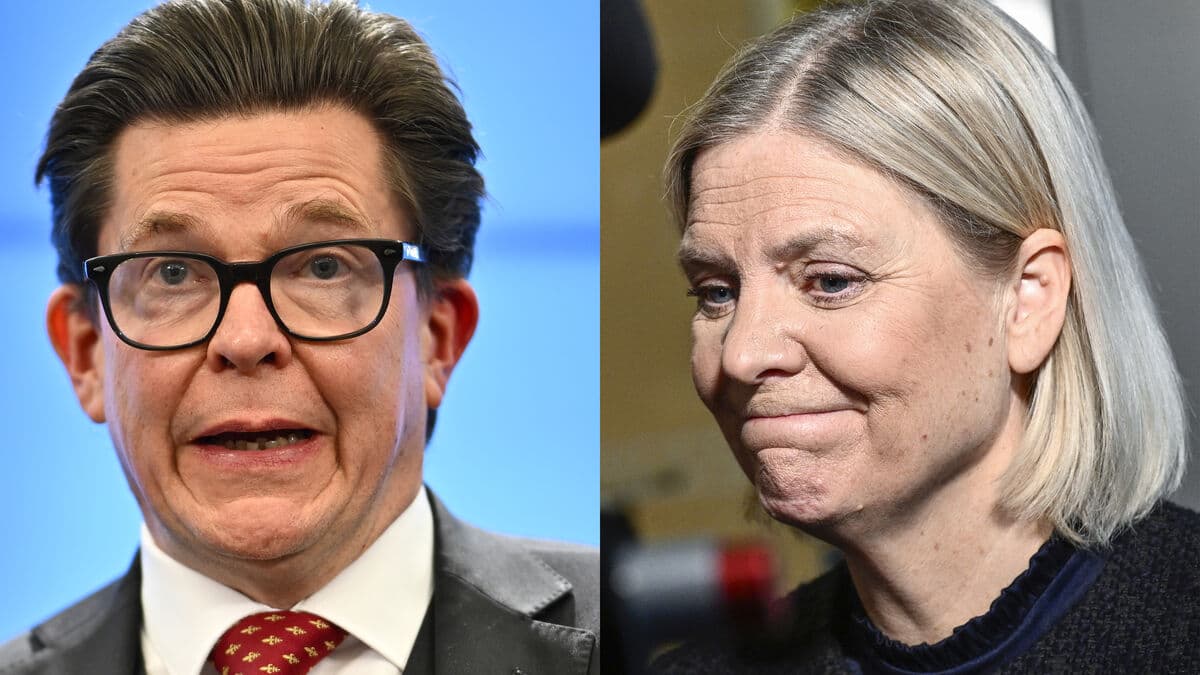
Another thing that could improve the conditions for renewable energy sources is the election result. The Red-Greens are more on the side of wind power companies than the Tidö government has been, according to the industry.
"We are very hopeful that there is an ambition from these parties, which are now expected to try to form a government, around renewables. It is very pronounced," says Nils Grunditz.
Above all, he wants to see technology-neutral regulations. If nuclear power receives massive government support, wind and solar should also be able to receive it.
Rough simplification
But electricity grids, paid for by the state, for offshore wind farms that have been granted permits are not enough.
No, that's not enough, he says, pointing out that wind power companies want some form of price guarantee in the same way as nuclear power.
The fact that the price of electricity has been so low, especially when it is windy and that is precisely when the turbines produce energy, has put pressure on profitability. Many wind power companies are making losses.
But it's not that simple, Grunditz believes.
"There is an idea that wind power is generally doing poorly. That is a gross simplification. It depends entirely on what the loan terms are, what type of agreement you have written," he says, continuing:
But absolutely, it's definitely tougher in northern Sweden.