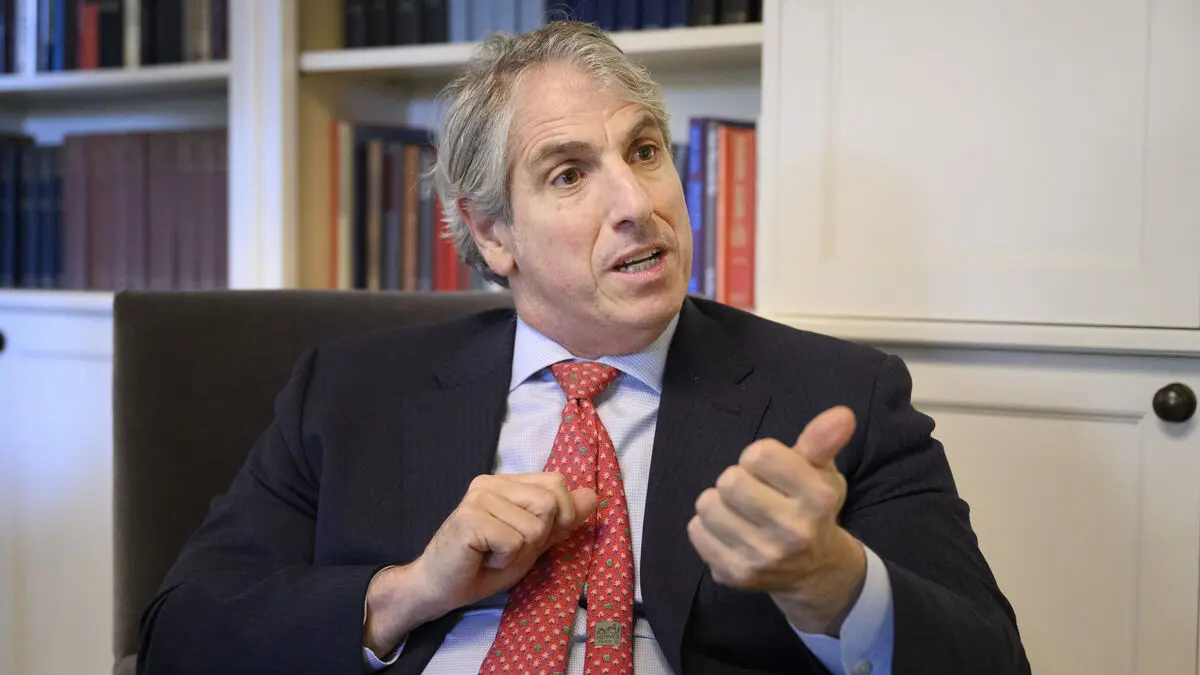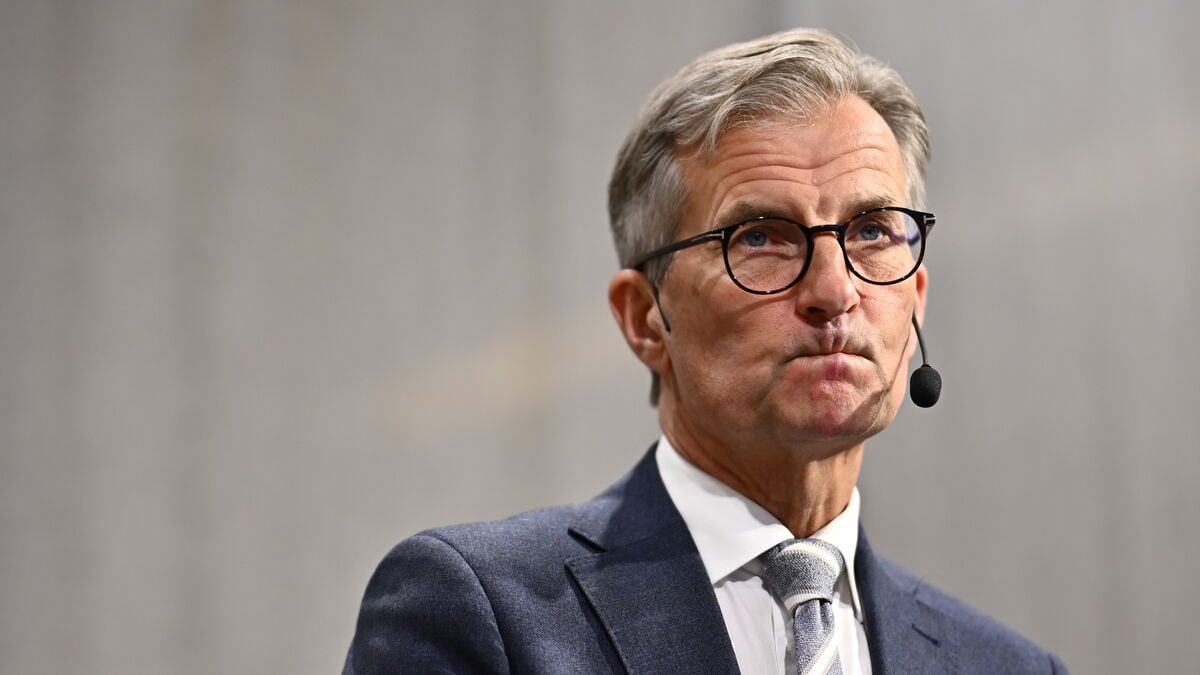
Overall, there is a clear downward trend across the board, says Amanda Sundström, fixed income strategist at SEB, summing up this week's preliminary inflation figures for June from major eurozone countries such as France, Italy, Spain and Germany.
A preliminary June figure for the eurozone as a whole will be released on Wednesday. The first estimate of Sweden's June inflation will be released on Wednesday next week.
The Swedish inflation picture is partly dominated by political measures (halving food VAT, lowering petrol tax, etc.). But then there is a very subdued cost situation in Sweden from the start, so it is a slightly different starting point here, says Sundström.
“It helps the Swedish Central Bank”
For the Swedish Central Bank and the European Central Bank (ECB), the lower inflationary pressure means that the need to tighten through interest rate increases is decreasing.
"We have received good news regarding inflation several times in recent weeks. Partly the actual outcomes regarding inflation, but also lower price plans and slightly lower inflation expectations," says Sundström.
My view is that this strengthens the probability that the ECB will do nothing. This in turn helps the Swedish Central Bank. It becomes easier to make a decision not to do anything with the interest rate.
Even before the unexpectedly low inflation figures, market expectations for an interest rate hike from the Swedish Central Bank this year had fallen to below 50 percent. Two weeks ago it was close to 100 percent.
The next interest rate announcement from the Swedish Central Bank will not be until August 20.
The key interest rate mainly affects short-term mortgage rates, with a three-month fixed period. And short-term mortgage rates are therefore not expected to move much in the near future.
Everything is based on the Strait of Hormuz
However, mortgage rates with longer fixed terms may rise according to professionals - due to increased growth, expectations of policy rate increases in the future and an increased need for government borrowing.
Gradually higher, says Sundström about long-term mortgage rates going forward.
Robert Boije, chief economist at the state mortgage bank SBAB, makes a similar assessment.
"We believe that the Swedish Central Bank will not raise the key interest rate this year and then the variable mortgage interest rate should remain relatively unchanged. We expect that long-term interest rates may rise slightly due to low bank margins. But then we are talking about a couple of tenths. However, everything is based on the conflict between Iran and the US ending and ships being able to pass through the Strait of Hormuz," he writes in an email to TT.