It is still early in the day in Venezuela, but after last night's U.S. attack and the abduction of Maduro, there are no signs that the state apparatus is beginning to crack.
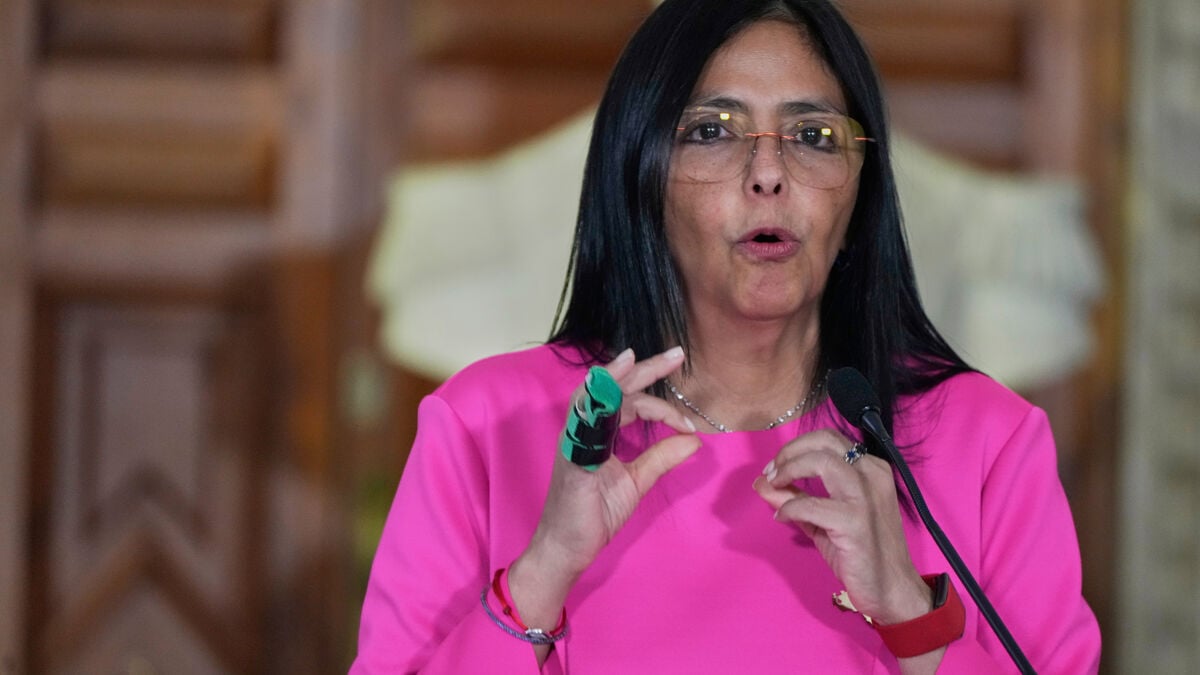
Fredrik Uggla, a researcher at Uppsala University, points out that pro-regime media are still operating and that Vice President Delcy Rodríguez and the rest of the leadership appear to be staying put.
"There are no signs of an internal popular uprising or military mutiny. It could come, but we haven't seen it," says Uggla.
It is difficult to see that simply removing Maduro would automatically lead to the overthrow of the regime or to democracy tomorrow. That could happen, but a number of other steps would have to take place.
“Fundamental shift”
Uggla describes the night's events as a fundamental shift, rather than an escalation.
Reactions have been widespread in the rest of South America.
In Argentina, Javier Milei, a friend of Trump, is cheering. In Venezuela's neighboring country of Colombia, leftist President Gustavo Petro - who himself has been accused by Trump of being a "drug lord" - has reinforced the border with Venezuela, calling it an "attack on self-government" in Latin America.
Petro is democratically elected and there is nothing serious to suggest that he is involved in drugs. But Trump has nevertheless made a move against Petro. So it is clear that Colombia, which has previously been a close American ally, feels like a potential target, says Uggla.
Memories of intervention
Latin America carries many memories of American intervention, but how the rest of the countries will react is difficult to predict.
"I think most people have understood that there is not much to be gained by criticizing Trump," says Uggla.
It is difficult to remember the last time the United States intervened on this scale against such a large country in the region, he says.
The invasions of Grenada and Panama in the 1980s were of a different magnitude. In the latter case, leader Manuel Noriega was captured and imprisoned for drug trafficking.
It is pure gunboat diplomacy, which the U.S. was thought to have abandoned long ago but which has now been revived, says Uggla.