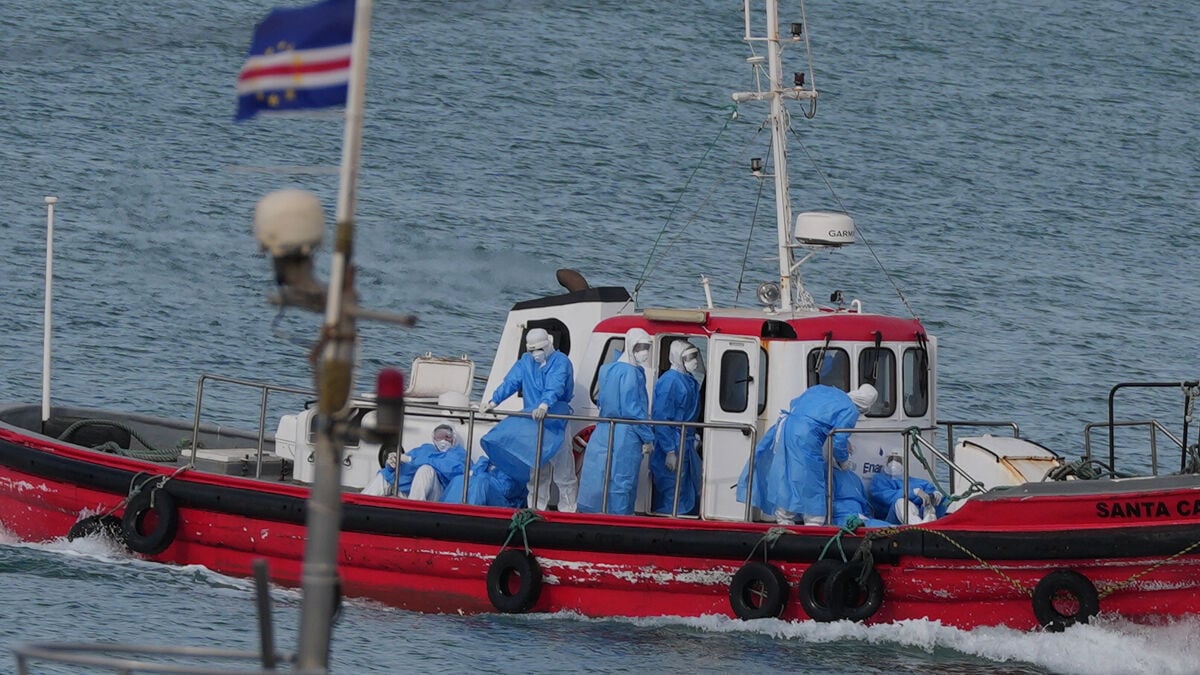
How could hantavirus have appeared on a cruise ship in the Atlantic? Theories about infected rodents on board have been circulating, but investigators in Argentina believe they have come closer to an answer to the question.
Investigators are working on a theory that the first people to fall ill brought the virus on board after looking for birds on a covered garbage dump and coming into contact with rodents carrying the virus.
Increased spread
The birdwatching Dutch couple in their 70s traveled around Argentina and Chile before boarding the Hondius and are said to have visited the garbage dump in Ushuaia, Tierra del Fuego, from which the ship later departed. Their exact travel route has not yet been mapped, but work is underway, according to Argentine authorities.
The country has seen an increase in the spread of hantavirus in recent years, with 101 cases of the Andean virus variant recorded since June last year - the same variant found aboard the Hondius. The fatality rate of the variant has also risen, from one in 15 to one in three over the past year, according to the Argentine Ministry of Health.
Tierra del Fuego spared
Tierra del Fuego, in the southernmost part of South America, has been relatively spared. The region's cool, dry climate reduces spread, which argues against the theory that the couple were infected there. Investigators are therefore also examining the couple's earlier travel in more mountainous areas of Patagonia.
However, investigators say they are convinced these two are the source of the ship outbreak. The ship left Ushuaia on April 1, and it can take anywhere from four days to eight weeks for someone infected with the Andes virus to show symptoms.
Hantavirus is typically transmitted to humans through contact with urine, feces, or saliva from infected rodents. The virus can also spread between people, but close contact with a symptomatic infected person is required.