A flight attendant suspected of being infected with hantavirus has been isolated in a hospital in the Netherlands, media in Amsterdam reported on Thursday. She is said to have mild symptoms, but she has not been confirmed to have hantavirus.
The flight attendant had been in contact with a woman who died of confirmed hantavirus in South Africa on April 26. The woman had left the ship on the island of St. Helena and flown to Johannesburg. Before she died, she boarded a plane to Amsterdam - but was denied departure.
"It is possible that the infection has spread. It is a very small risk, but we do not want to take any chances," said Saskia van Egmond at the public health authority RIVM, stating that over 300 people were on board the aircraft.
Five confirmed cases
A total of three people have died. So far, five of eight suspected cases of hantavirus have been confirmed.
However, the incubation period can be up to two months, so everyone from the ship - and people who have been close to them - is being closely monitored even after returning home.
This means that dozens of former cruise passengers are being monitored in several parts of the world. For example, two former passengers have been isolated in Singapore, three in Canada, two in the UK and one in Denmark.
In France, one person has been isolated. He is one of eight French people who traveled on the same plane from St. Helena as the Dutch woman. The other seven are being closely monitored, writes Le Figaro .
No one with symptoms on board
A total of 30 people left the ship on St. Helena on April 24 to return to their home countries, cruise company Oceanwide Expeditions announced. Among them is a Swedish man.
The remaining passengers continued their journey to Cape Verde, where the ship was refused entry after the outbreak became known. On Wednesday, the last three passengers with symptoms were evacuated to the Netherlands for treatment.
"No individuals with symptoms are currently on board," Oceanwide Expeditions said on Thursday.
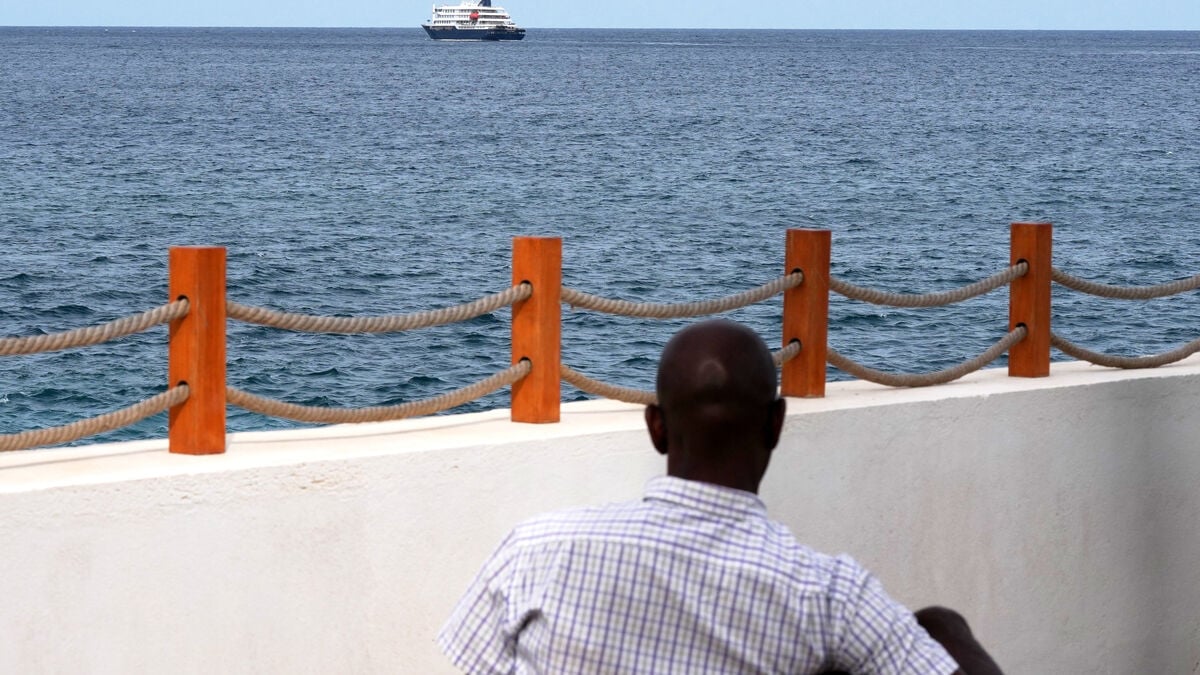
Hondius is now on its way to the Canary Island of Tenerife, where the remaining 100 people on board will be allowed to disembark.
The ship will not be allowed to dock in the port but will only be allowed to anchor a short distance out, and passengers will be taken ashore via smaller boats.
"No one leaves the ship unless they go directly to the airport for waiting flights," said Virginia Barcones Sanz, head of civil protection at the Ministry of the Interior, according to El País.
Spanish citizens will be flown by military aircraft to a hospital in Madrid, where they will be isolated.
Hantavirus infections are caused by around 35 different closely related variants of hantavirus that have been reported worldwide.
Hantavirus infection is a zoonosis, meaning a disease that can be transmitted between animals and humans. In one variant, the Andes virus, which is mainly found in South America, transmission between humans has also been demonstrated.
In Sweden, only the Puumala virus variant, which causes the disease bat fever, is found.
Each hantavirus has a specific rodent species as its host. Hantavirus does not normally cause disease in rodents, but they can carry the virus for a long time. Viruses are excreted in the urine, feces, and saliva of infected rodents.
Depending on the type of hantavirus, infections can range from completely asymptomatic to very severe forms of hemorrhagic fever or acute pulmonary syndrome with a high mortality rate.
Source: Public Health Agency of Sweden