Last week, the government reversed course on the mining issue. Municipalities will now have a veto over mining permits for alum shale, which is considered more environmentally dangerous.
According to the mining industry, this would effectively put an end to the mining of uranium and rare earth metals - elements used in the electrification of society and of which the entire EU suffers from a severe shortage.
The Swedish Mining Agency, which is part of the Geological Survey of Sweden (SGU), handles applications for mining permits. According to its statistics, 50 granted exploration permits for alum shale mining are pending, assuming the relevant municipalities exercise their veto.
Very rare
What type of metals are you looking for there?
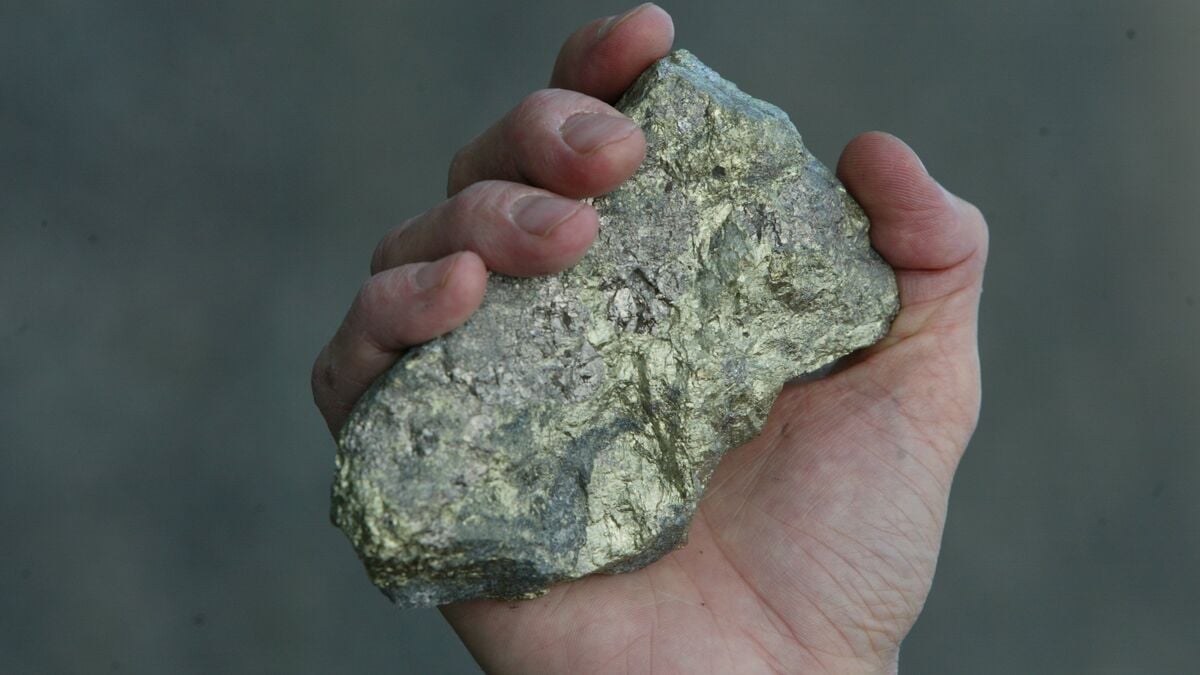
"There are a lot of metals. It's mainly vanadium, nickel and zinc. Then there's a lot of copper," says Helena Kjellson.
Whether rare earth metals would be found to a greater extent in alum shales is not easy to answer.
"That's a very, very difficult question. The truth is that we currently have no mining of rare earth metals," says Kjellson.
In total, SGU has granted 800 exploration permits, many of which are a few years old. So if 50 of these are threatened by the municipal alum shale veto, it may not sound like much. But according to Kjellson, these are relatively large permits, in terms of area.
Strict environmental requirements
The mining industry association Svemin points out that all mining is already surrounded by strict permit processes with high demands on environmental protection. Therefore, no special permit is needed for alum shale, the industry believes.
SGU agrees to some extent:
"SGU was critical of certain proposals made in the original Alum Slate Inquiry from 2020, both because the Environmental Code can already be considered sufficient and because it could hamper the mineral supply," the authority writes.