COP30: COP ("Conference of the Parties") refers to the parties to the UN Climate Convention. They meet every year and the conference in Belém is number 30 in the order.
UNFCCC: Abbreviation for the United Nations Framework Convention on Climate Change, which aims to limit global emissions. To sound extra knowledgeable, say "UNF-triple-C" in English.
IPCC: The UN's Intergovernmental Panel on Climate Change, which compiles the best available science on climate change.
Paris Agreement: Legally binding agreement from 2015 that united the world's countries in an agreement to tackle global warming and reduce greenhouse gas emissions.
NDC: An abbreviation that is especially good to keep track of in connection with the climate meeting. It refers to national climate commitments ("nationally determined contributions") that describe how different countries will reach the goals of the Paris Agreement. New, updated NDCs were supposed to be submitted in February this year, then the deadline was moved up to September. Despite that, the deadline has dragged on, and many are still missing. The EU submitted its NDC with less than a week left until the meeting.
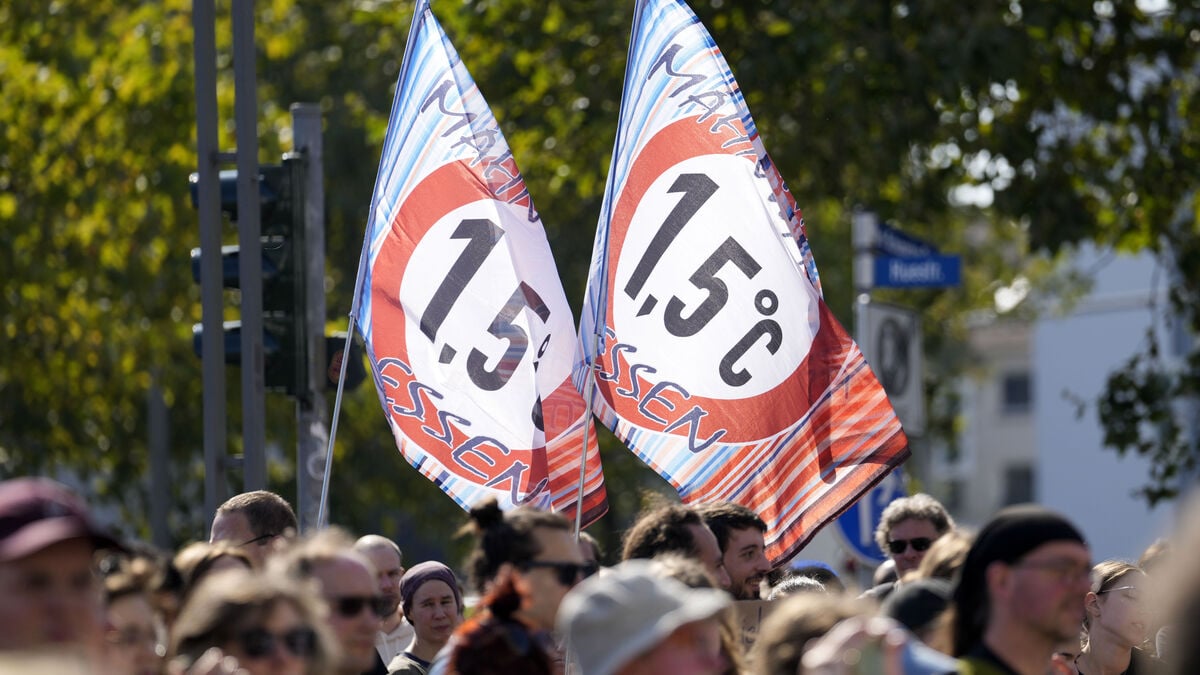
1.5 degrees: Refers to the Paris Agreement's goal of limiting global warming to well below 2 degrees, preferably 1.5 degrees, compared to pre-industrial times. However, the world has already warmed to 1.2 degrees, and many analysts believe that the 1.5 degree target is impossible to achieve.
TFFF: Stands for Tropical Forests Forever Facility and is a new global fund launched by host country Brazil at COP30. The proposal aims to preserve tropical forests, countries will be compensated if they keep the trees and some of the funds will be allocated to indigenous peoples.
CBAM: The EU's carbon dioxide tariff where importers of steel, cement, aluminum and fertilizer have to pay extra if their goods are manufactured in countries that do not have as strict climate requirements as the EU. Considered by some countries to be protectionism rather than climate work.
Climate finance: At last year's meeting, it was decided that rich countries will provide $300 billion a year starting in 2035 to developing countries to help them limit their emissions and deal with climate change. Now a plan for this will be presented.
Negative emissions: This is not about emissions with a bad attitude, but about absorbing, collecting or otherwise taking care of carbon dioxide that has already been released into the atmosphere. This can involve reforestation, carbon storage from biofuels and capturing carbon dioxide from the air. Also called minus emissions.
Net zero emissions: The effort to reduce emissions as much as possible and compensate for what is still emitted with negative emissions.
Anthropogenic emissions: Emissions that are caused by humans, as opposed to emissions that occur in nature.
Carbon sinks: Something that captures carbon dioxide from the atmosphere in the long term by binding it. Forests, marshes and oceans are examples of carbon sinks.
Carbon markets: Simply put, this involves companies and countries compensating for their emissions by buying emissions rights from those who remove or reduce emissions.
Mitigation: When it comes to climate, the English word “mitigation” simply means emission reductions.
Adaptation: This is about how countries around the world can adapt to the effects of climate change. This could involve developing early warning systems for floods or building barriers to tackle rising sea levels.
Loss and damage: Costs of climate-related (e.g. storms, floods and fires) damage and losses for particularly vulnerable countries.
SDGs: The UN's global Sustainable Development Goals (SDGs) range from climate targets to gender equality. Member states adopted the goals in 2015 with a 15-year action plan, but progress is far too slow.