When warm air is expected to flow in over parts of Europe later this week, it will bring sand particles from the Sahara with it, as Göteborgs-Posten first reported.
You usually notice it at sunrise or sunset, when there is a red glow in the sky because there are so many dust particles in the air, says Maria Svedestig.
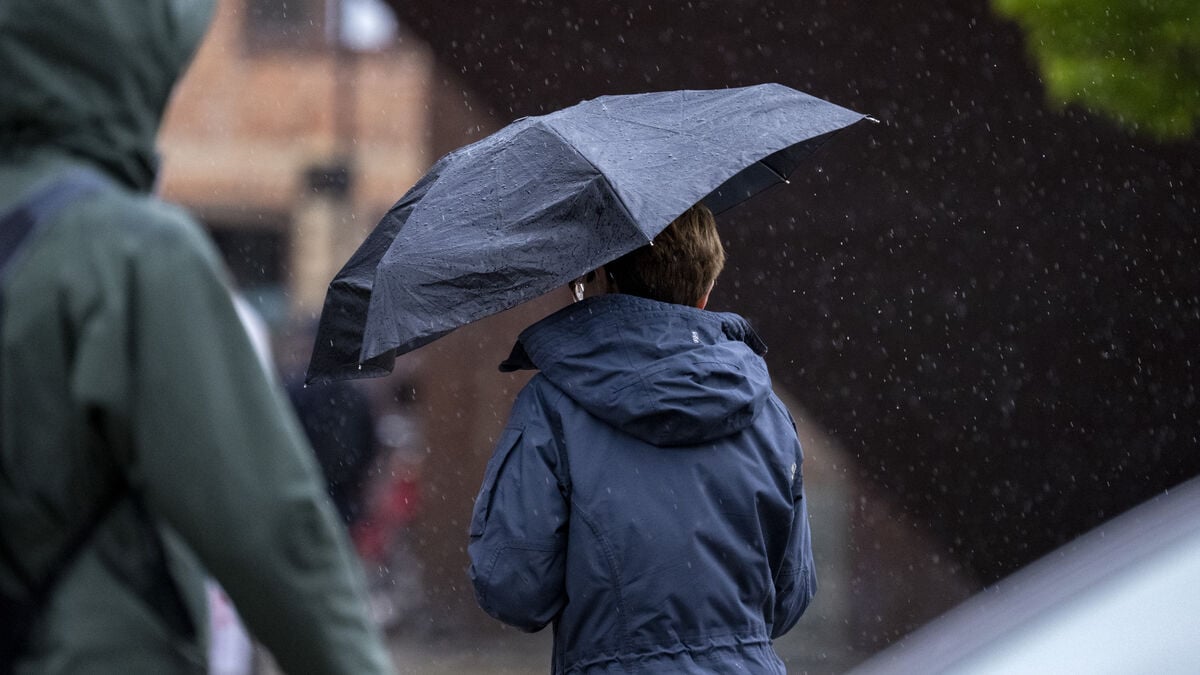
When the sand blowing into the area is combined with an area of precipitation, it can give rise to so-called blood rain.
The raindrops get a little sand in them and when they fall on the ground, they can become stains. The sand is rust-colored, a bit orange-red, and it can make the ground and cars muddy.
But despite the dramatic name, blood rain is harmless – and not entirely uncommon. It often happens once a year, some years more often and others less often, according to Maria Svedestig.
There needs to be easterly or southeasterly winds over Africa, which then become southerly when they come out over Spain and the Atlantic up over Western Europe so that they bring the particles up with them, she says, adding:
If you've ever been to the Canary Islands when there have been fresh easterly winds, you can almost get sandblasted.
The rain area is expected to move in over the west coast and a little inland on Thursday afternoon - but it is not entirely certain that the blood rain will be noticeable.
It can rain a little over Denmark, so that there aren't that many sand particles left when it comes over Sweden, says Maria Svedestig.