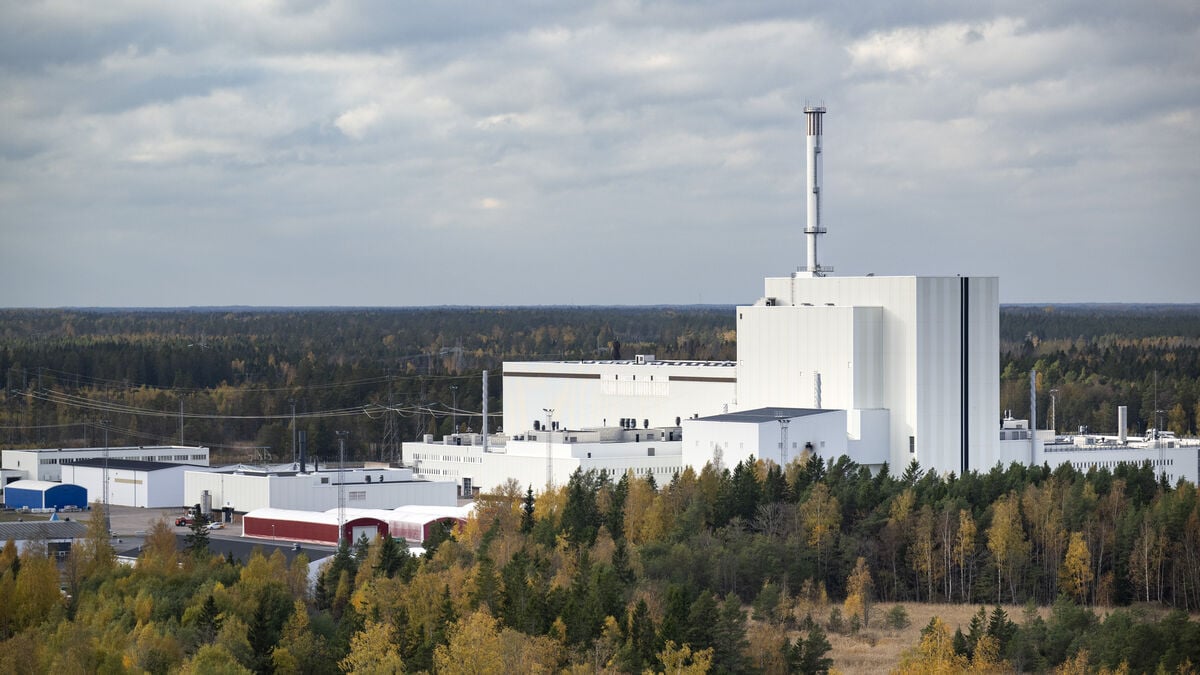
On several occasions, Swedish reactors have been forced to reduce production and to postpone restarts multiple times.
Currently, more than half of Swedish nuclear power production is at a standstill, and the problems are expected to persist to some extent over the summer. When things start to go wrong, the delays tend to increase.
Additional problems
Last week, two more delays were announced.
Both of Ringhals' reactors have had additional problems. Three-quarters of normal production was offline some time in August. And Oskarshamn's only reactor has been out of service since March for repairs. Restart is currently expected at the end of June.
When the Swedish and Norwegian water reservoirs are also less full than normal, the impact on the electricity price becomes particularly clear.
Forecasts for the summer, based on pricing in the futures market, point to prices twice as high as last year and the highest summer price since 2022, when the full-scale war in Ukraine broke out.
“Unusually expensive”
Now another war - between Iran, Israel and the USA - is pushing up electricity prices via higher gas prices in Europe, which is spreading to southern Sweden.
The higher electricity price is expected to remain for the rest of the year. “The autumn looks unusually expensive,” notes Johan Sigvardsson, electricity market analyst at electricity trading company Bixia.
Currently, market price forecasts for the summer months show 75 öre/kWh in Southern Sweden (electricity area 4), compared to 53 öre last summer. In Norrland, the price increases are much higher in percentage terms, even though the pure electricity price is usually expected to be significantly lower, around 40 öre/kWh.
Even though Sunday will be cheap, ranging from a few öre in the north to just over 20 öre in the south, the price in June in southern Sweden has so far been over one krona, on par with winter prices.
On top of the exchange price, there is a trader's markup, electricity tax, network fee and VAT, taking the total to over one krona per kilowatt hour.