For the past few weeks, Sweden has been contributing to NATO's patrolling of the airspace over and around Iceland with six Gripen aircraft.
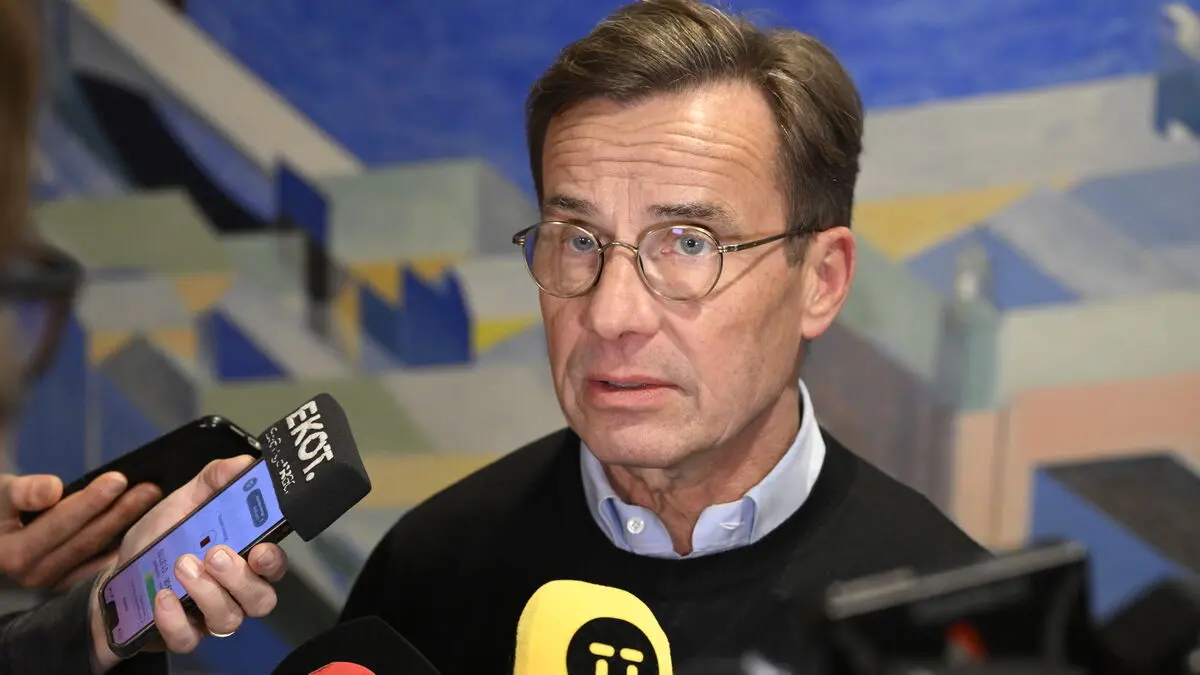
"I can imagine that they will now operate in a larger area than before and that they will cooperate with other countries," says Minister of Defense Pål Jonson (M).
NATO launched Arctic Sentry on Wednesday. Initially, the alliance's new mission will focus on coordinating the military exercises that individual NATO countries are already conducting in the Arctic, such as Norway's recurring Cold Response. It will also coordinate surveillance of the region and create a better common situational picture.
A way to appease Trump
According to NATO, the background is that Russia has increased its military presence in the Arctic and that China is showing growing interest by sending research vessels there.
But Arctic Sentry can also be seen as a way to appease US President Donald Trump, who has complained that Denmark and Europe do not take Greenland's defense seriously and has previously threatened to annex Greenland. Trump's various statements created a crisis in NATO, which has now been defused after the president said he will not use force.
There are experts who believe that Arctic Sentry is just a new label for already existing NATO activities in the Arctic.
"I wouldn't describe it that way," says Pål Jonson.
"A lot of it is about linking different types of activities."
US Deputy Secretary of Defense Elbridge Colby did not comment on Arctic Sentry in his remarks at the NATO defense ministers' meeting in Brussels on Thursday.
Hegseth did not come
Colby came to the meeting instead of Defense Secretary Pete Hegseth, leading to speculation that it is a sign of the United States' decreasing commitment to the defense alliance.
NATO Secretary General Mark Rutte rejects such speculation and sees nothing strange in Hegseth's failure to come.
"This is the USA; they have to take care of the whole world," says Rutte.
There is concern in Europe about how much and how quickly the US will reduce its commitment to NATO.
However, several NATO countries' defense ministers reject such concerns.
Colby himself assured at the meeting that the US is not abandoning NATO, that US nuclear deterrence will continue to include European NATO countries, but that US conventional military capabilities in Europe will be more limited.
"The United States must prioritize regions where only the United States can play a decisive role," says Colby.