The total number of sick leave periods longer than two weeks - when the Swedish Social Insurance Agency takes over responsibility - is also decreasing.
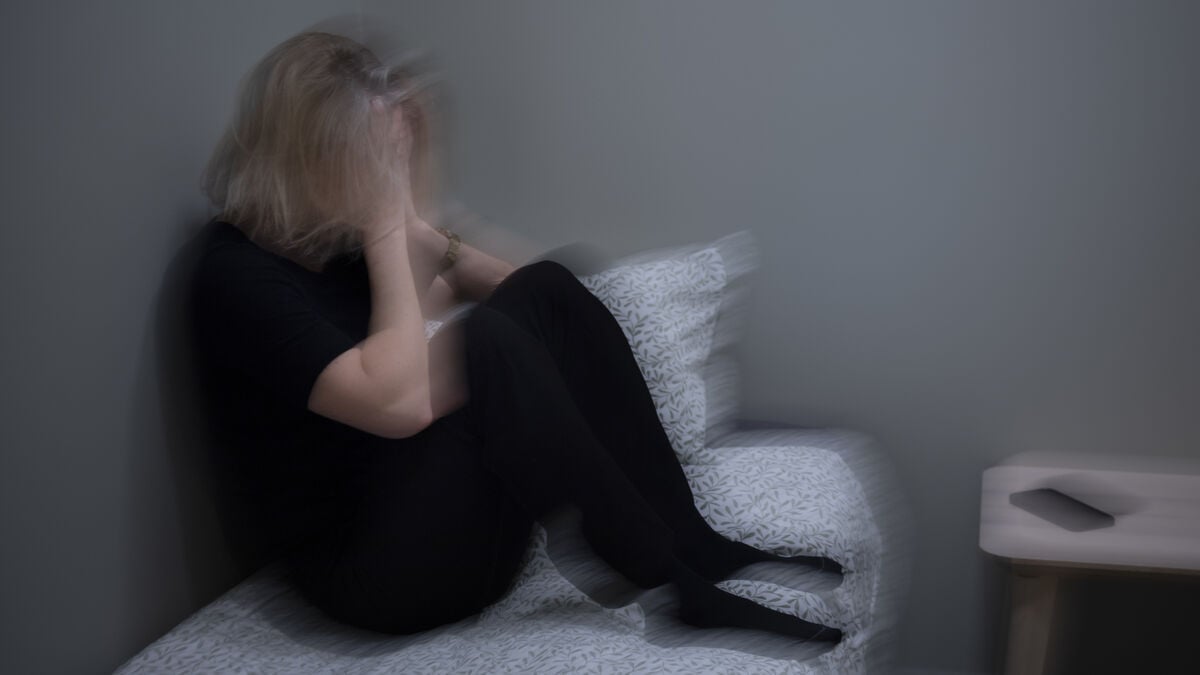
Mental health issues are affecting the entire labour market. Stress-related disorders and various forms of mental ill health are the main causes of new sick leave. They also account for almost half of all ongoing sick leave, based on statistics from the Swedish Social Insurance Agency and Statistics Sweden analysed by Skandia.
Diagnosis disappears
But now the proportion is decreasing after many years of steady increase. In the first quarter of 2025, the proportion of sick leave due to mental ill health was 48 percent. A year later, the figure has fallen to 45 percent, but still well above the third that applied in 2010.
The inflow is decreasing, but long-term sick leave (more than two years) is still increasing, says Magnus Elfdahl, Business Manager Risk & Health at Skandia.
It is possible to speculate about why the influx is decreasing. One explanation could be that sick leave for fatigue syndrome has decreased because that diagnosis is on its way out from 2028. The question is whether it will pop up somewhere else instead, Elfdahl wonders.
Top managers
Women in welfare professions are on sick leave to a higher extent, and this has been the case for a long time. Among new sick leave cases, with mental ill health as the reason in 2025, managers had the highest proportion, but the number is of course quite low compared with other groups.
Still worrying, considering that it should ideally be the managers who catch employees' problems in time, according to the Skandia report.
The important thing in the work against sick leave is preventive work, according to Magnus Elfdahl, who thinks that employers have become better at that.
Correct treatment earlier and present leadership, he says, are important examples.
It should also be easy to seek care, he believes. That is not always the case, quite the opposite.
It's a pretty complex environment, the healthcare environment, who do I turn to now?, says Elfdahl.