The proposal now being presented to EU member states ahead of next week's summit in Brussels totals 1,622 billion euros, compared with 1,763 billion in the proposal the European Commission presented last summer.
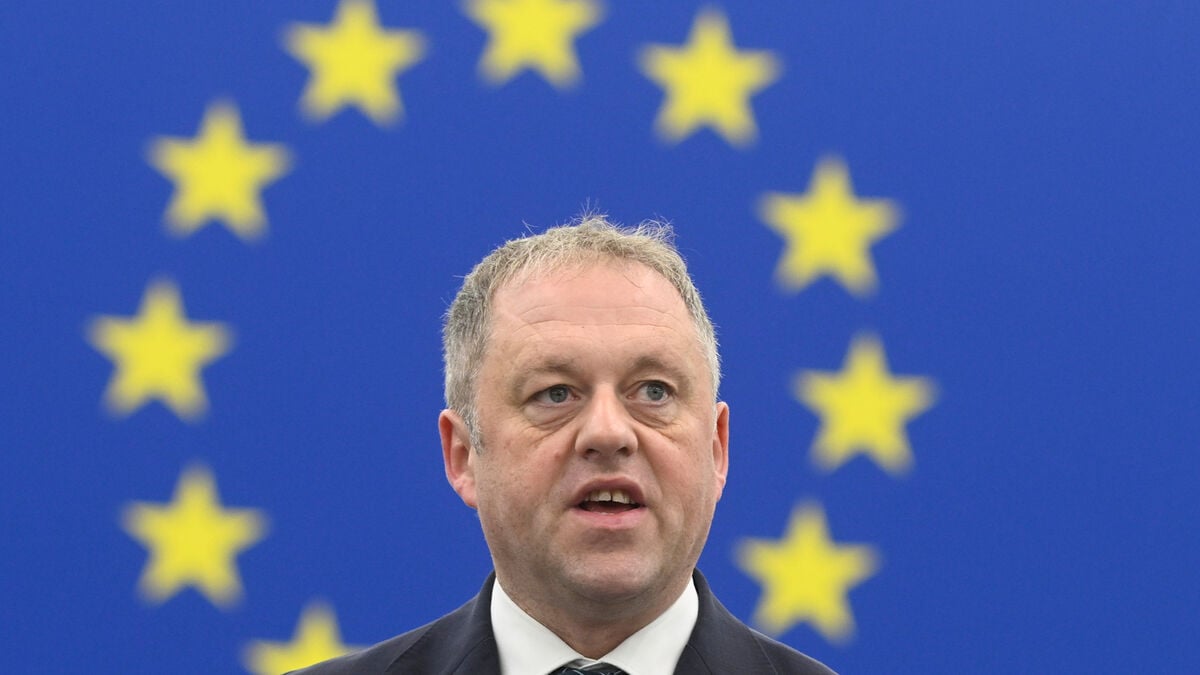
"We have sent out a balanced and revised negotiating box. We have listened carefully to all member states," Ireland's EU Minister Thomas Byrne said at a press conference in Brussels.
In Ireland's proposal, funding for agricultural and regional support has been reduced to a total of 914 billion - 32 billion less than the European Commission proposed.
Funding for "competitiveness, prosperity and security" will be cut by 67 billion. Funding for, among other things, support for neighbouring countries and aid will be reduced by 33 billion, while administrative costs will be cut by 9 billion.
On the revenue side, Ireland is sticking with the new EU taxes proposed by the Commission, including taxes on tobacco, large companies and electronic waste.
Sweden wants cuts
Sweden, together with Germany, Denmark, the Netherlands, Austria and Finland, has called for significantly larger cuts of "several hundred" billion euros. An earlier compromise proposal from last summer, totalling 1,730 billion euros, was rejected as "completely unacceptable" by, among others, EU Minister Jessica Rosencrantz (M).
Sweden is also demanding that the rebates some EU countries - including Sweden - have previously received on their budget contributions be maintained. The European Commission has wanted to remove the rebates, while Ireland's proposal says only that they should be "abolished OR maintained".
At the same time, many other EU countries are pushing for the budget to increase or at least remain at the level proposed by the Commission.
Requires unanimity
The EU's long-term budget will run from 2028 to 2034 and requires unanimous agreement among member states to be adopted. The aim is to reach an agreement by the end of this year, to avoid negotiations getting bogged down in the many election campaigns being held in key EU countries such as France, Italy and Poland in 2027.
After Ireland's attempt, work on the budget is now being taken over by European Council President António Costa.
Ireland's EU Minister made clear that he does not expect his compromise proposal to be the one everyone agrees on.
"This is not the end result. We still have some way to go, but this is a catalyst to get the negotiations moving," Byrne said in Brussels.
As the country holding the presidency of the Council of the European Union, Ireland has proposed a long-term budget of 1,622 billion euros (compared with 1,763.1 billion in the European Commission's original proposal from last summer).
The money is distributed across four main areas:
914.2 billion (946.4 in the original proposal) for "economic, social and territorial cohesion", which includes everything from agricultural and regional support to migration management and repayment of the joint coronavirus loan.
455.6 billion (522.2 in the original proposal) for "competitiveness, prosperity and security" - which also includes defence, research and student exchanges, among other things.
156.9 billion (190 in the original proposal) for “global Europe”, including assistance and support for neighbouring regions and countries seeking to join the EU.
95.3 billion (104.4 in the original proposal) for "administration and other", such as salaries.
Source: European Commission/Council of the European Union.