“Europe will deliver, in the same way that we delivered in the defense field last year,” Costa said at a press conference.
Costa is joined by European Commission President Ursula von der Leyen. The two are narrowing down today's "strategic brainstorm" on competitiveness to a series of initiatives that will lead to more free trade agreements, a boost in corporate investment, a common capital market and, in the long term, a common energy market.
But as early as next month, EU Inc, a simplified, so-called 28th regulatory framework for companies and entrepreneurs who want to operate in all 27 EU countries, will be presented.
Anywhere in the EU you should be able to register an EU Inc (company) in 48 hours, says von der Leyen, adding that it will be easy for companies to scale up in the EU.
“Seriously now”
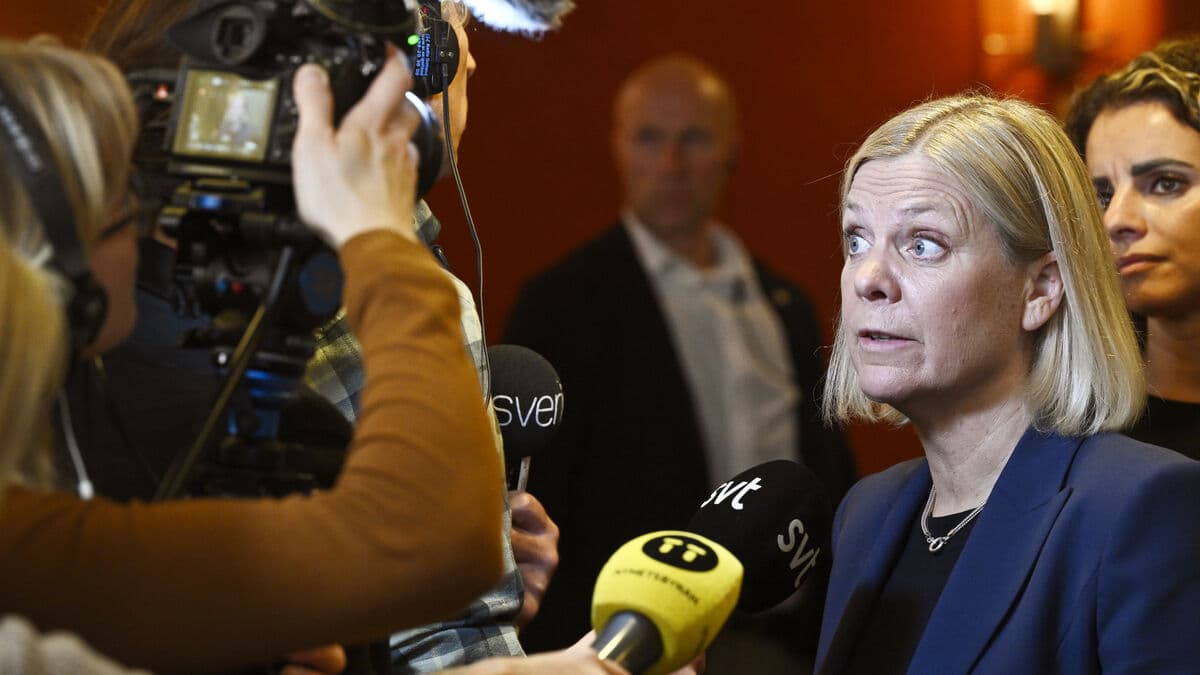
The atmosphere during the informal so-called reflection meeting is described as intense and at times tense. Prime Minister Ulf Kristersson (M) emphasized upon arrival that "it's serious now."
The risks are obvious, Europe is lagging behind in competitiveness against China and the US, and has been for a long time. There is a risk that companies will find Europe not a sufficiently interesting place to be, he said in the rain outside the 16th-century Alden Biesen castle.
Kristersson primarily advocates more free trade agreements and a "completed" internal market.
Tear down barriers?
The palace meeting takes place in the light of an offensive China, a US threatening punitive tariffs and Russia's offensive war in Ukraine, which has been going on for almost four years. There is a consensus that the EU must stand firmer and strengthen strategic industrial sectors such as defense, space, AI and energy if it is to be able to handle, for example, the whims of US President Donald Trump. But not everyone agrees on how to get there.
Implementing strategies like EU Inc and One Europe, One Market is likely to be complex given the national labor laws, traditions, and agendas of member states. Von der Leyen says she is open to “enhanced cooperation,” a model where at least nine countries introduce a reform if agreement cannot be reached immediately.
Ideas for a strengthened and single European market have previously been put forward by top Italian economists Mario Draghi and Enrico Letta, who have published reports on Europe's competitiveness and spoken to leaders at Alden Biesen.
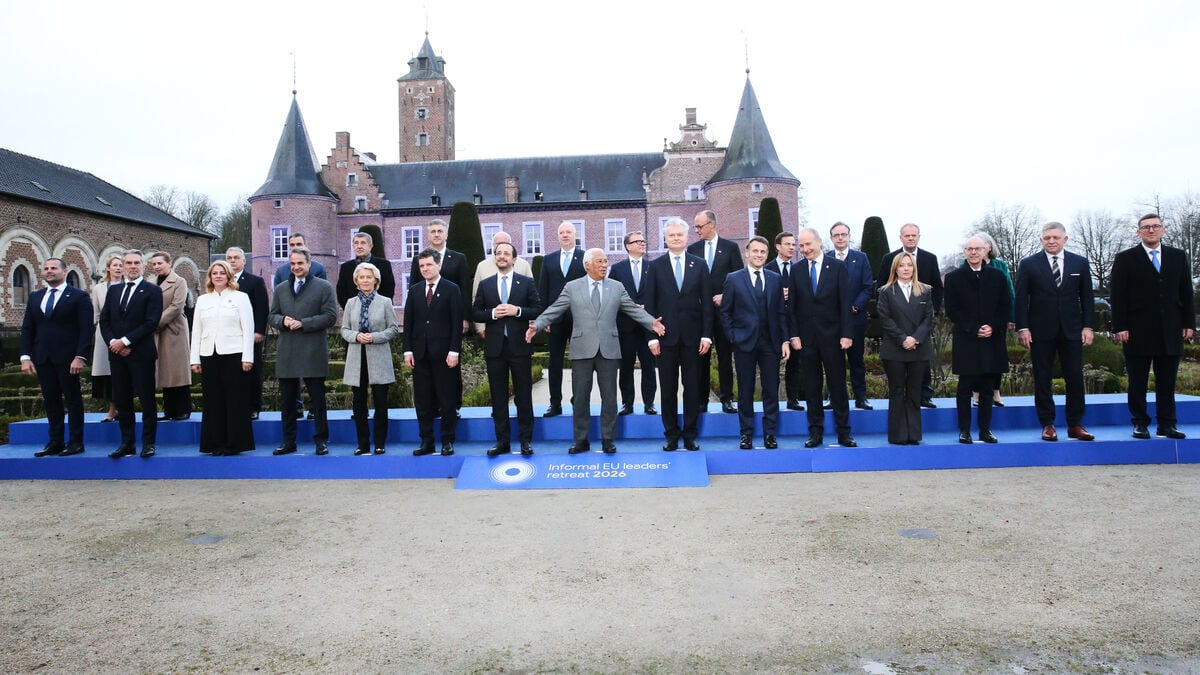
On Thursday, EU heads of state and government met for an informal reflection meeting at the invitation of Council President António Costa.
The meeting was held at the 16th-century castle of Alden Biesen in eastern Belgium.
The theme was competitiveness, how to strengthen the EU in a challenging geopolitical environment. Top Italian economists Mario Draghi and Enrico Letta, who have written reports on the subject, spoke.
Source: European Council