Economists are saying that the Swedish economy is on the rise, and that the long recession is over. Household finances have strengthened as interest rates have fallen, and this year the government has given a big boost by halving food VAT, significantly reducing taxes on petrol and diesel and halving the price of bus passes.
But for many, that happiness may be short-lived. Generally higher prices, especially for certain goods and services, have the Swedish Central Bank on its toes, with rising interest rates in its sights. Add to that a possible prolonged period without an effective government in place.
Here is the list of the really big hits for the winter:
Fuel
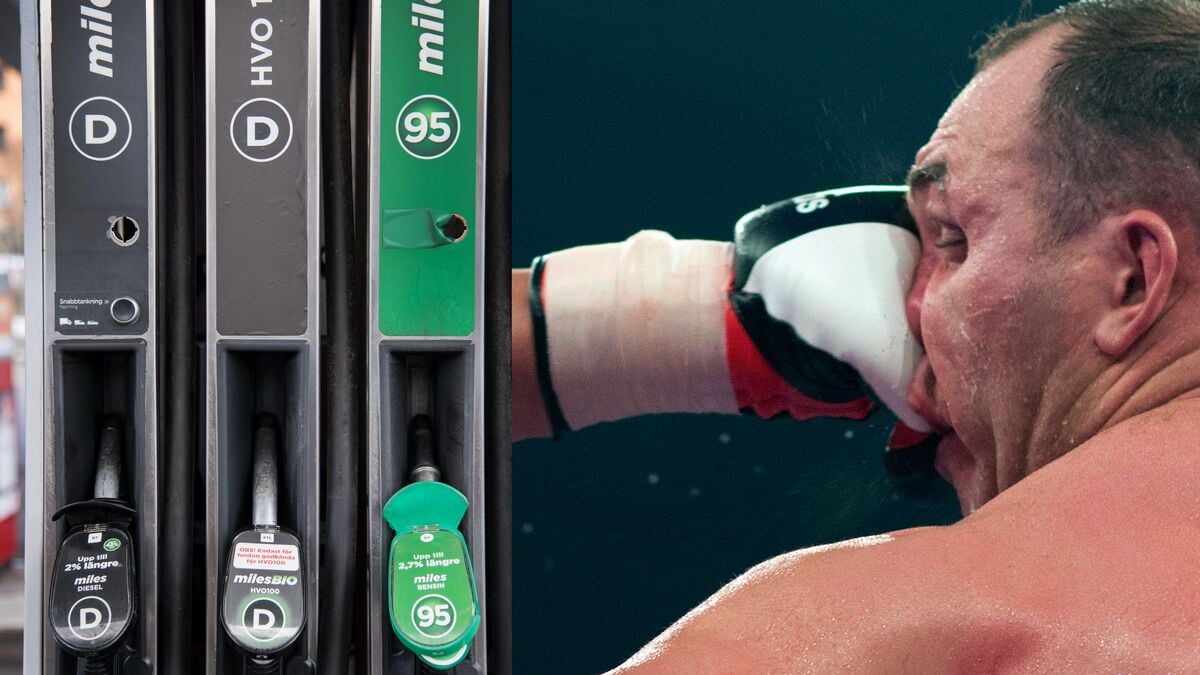
The second part of the temporary tax cuts on gasoline and diesel will disappear from December 1. If politicians do not want to or do not have time to extend the discount, gasoline and diesel will then become approximately 4 kronor more expensive per liter, landing at around 22 and 27 kronor respectively based on today's prices.
Compared with last winter's prices, around 15 kronor for gasoline and 17 for diesel, two full tanks per month are estimated to be approximately 800 and 1,200 kronor more expensive per month, respectively.
Electricity
The price of electricity has already skyrocketed and the price contracts for winter electricity currently indicate around 2 kronor per kilowatt hour (including VAT) in southernmost Sweden and just over 1.50 kronor in Svealand and northern Götaland (electricity area 3). This means roughly 1,700 kronor more per month for a villa in Skåne compared with last winter. In electricity area 3 it is about 1,100 kronor more, based on a consumption of 20,000 kWh per year. In Norrland the changes are small.
Mortgage interest rate
The other day, the Swedish Central Bank flagged that there will be interest rate hikes this winter, the question is how many and when. A lot of people are talking about two hikes this winter, one in November and one at the beginning of next year, according to analysts. That would make a housing loan of 2 million 10,000 kronor more expensive per year, or 830 kronor more per month (before the tax subsidy), compared with last winter.
The bus card
In addition, the halved fare on public transport will disappear at the turn of the year.
On top of that, inflation, the general increase in prices, is on the rise.
The calculations are based on price and interest rate forecasts for the coming winter compared with last year's cold period.
The price increases are calculated based on a household that lives in a villa, consumes 20,000 kWh per year, has a loan of 2 million SEK, and fills up its fossil-fueled car with fuel (60 liters) twice a month.