The past year has been tumultuous with tariff threats, the Greenland crisis and questions about whether the US can be trusted as an ally any longer. So the mood is serious as more than 60 heads of state and government meet at the Munich Security Conference. Scores of ministers and foreign and security experts are also attending.
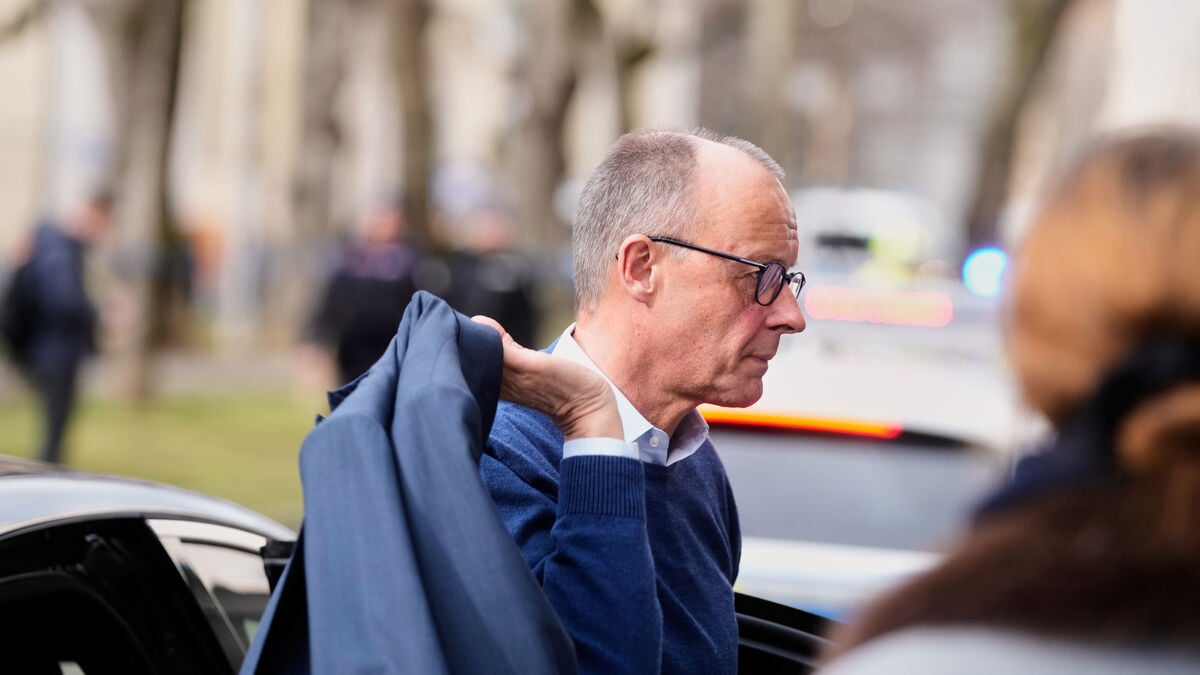
In his speech, German Chancellor Friedrich Merz states that the rules-based world order no longer exists.
We have entered a new era of open conflict and war that makes us hold our breath.
More assertive Europe
In his speech, Merz addresses the United States directly, switching from German to English. He emphasizes that NATO is the strongest alliance in the world, which also benefits the United States.
Even the United States is not powerful enough to fend for itself.
His recipe for the crisis is a bolder and stronger Europe, both economically and in terms of security. This is something European leaders are repeating more and more often.
French President Emmanuel Macron also strikes a similar tone:
The world should learn from Europe and not criticize us. We are not old-fashioned; thinking that is wrong.
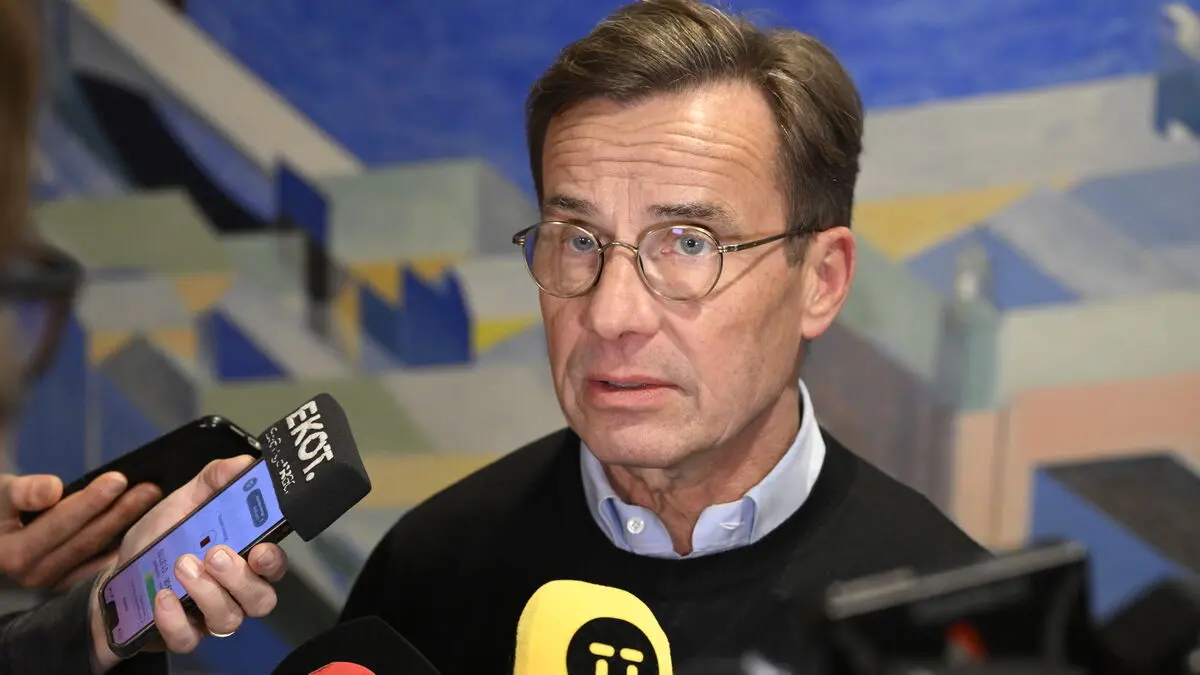
Prime Minister Ulf Kristersson (M) believes that the relationship with the United States has suffered great damage.
It has clearly damaged trust for quite some time now.
The wait for Rubio
What everyone is waiting for in Munich is the speech that US Secretary of State Marco Rubio will give on Saturday morning. Last year, it was Vice President JD Vance who gave the speech, and world leaders were shocked by the harsh tone.
Kristersson has no direct expectations for the speech, but points out that a different type of politician is leading the American delegation this year.
"The vast majority of people assess that there is a fully functioning discussion with Rubio on most issues," he says.
I have no expectations of any new weirdness, but neither do I expect the U.S. to change its policy in any way. It's probably set.
No decisions are made at the security conference. It is more of an opportunity for politicians and experts from both sides of the Atlantic to meet, Kristersson notes:
So it's clear that if it can pour some oil on the waves and we can have good conversations instead of strange ones, then that's a value in itself.