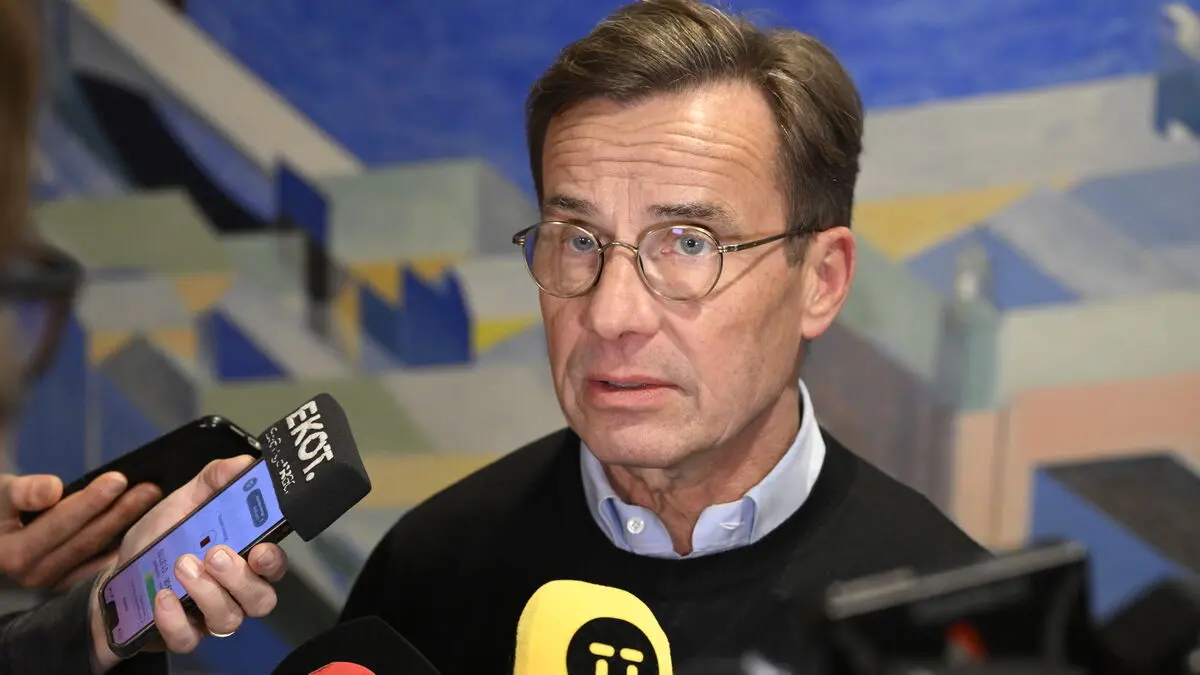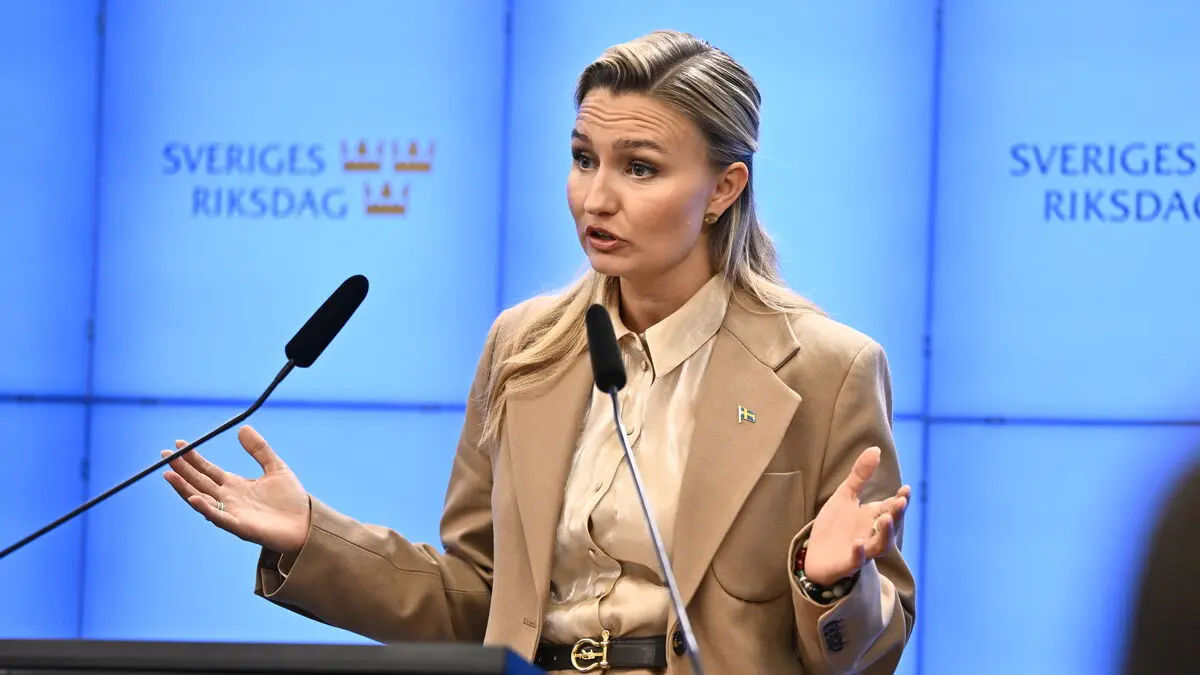
It is about building strong cooperation between countries around the Baltic Sea to be able to handle spontaneous or, in the worst case, planned population movements that may result, ultimately, from the consequences of armed attacks, says Minister of Civil Defense Carl-Oskar Bohlin (M).
The Memorandum of Understanding was signed by the Nordic countries, Estonia, Latvia, Lithuania, Poland and Germany on February 6, but is being made public today.
Russian attack
Large population movements could, for example, occur in the event of a Russian military attack on the Baltic states.
Planned mass evacuations are always a last resort. Spontaneous population movements are also possible. The aim is to have a plan covering the full spectrum of threats, says Bohlin.
Bohlin also points out that experiences from Ukraine show that it is not only about protecting the civilian population, but also about being able to conduct an effective military detention.
Large population movements have sometimes been part of mustering a high defense capability and the will to defend, he says.
Agreement with Finland
The idea is for the countries to jointly plan how an evacuation across land borders can be carried out. This includes reviewing transport, border controls, evacuation corridors, reception and registration of people, and protection of particularly vulnerable groups.
The Civil Defense Agency is currently arranging a meeting with representatives from corresponding authorities in the other allied countries to discuss the planning in more detail.
Sweden already has a similar agreement with Finland, where planning has begun. The three Baltic countries also have such cooperation among themselves.
Now all countries are interconnected, says Bohlin.