Winter damage, lack of rain and the effects of the prolonged energy crisis.
Despite the fact that prices for fuel and fertilizer have stabilised, Lantmännen's harvest forecast is bleaker than last year.
Winter-damaged wheat
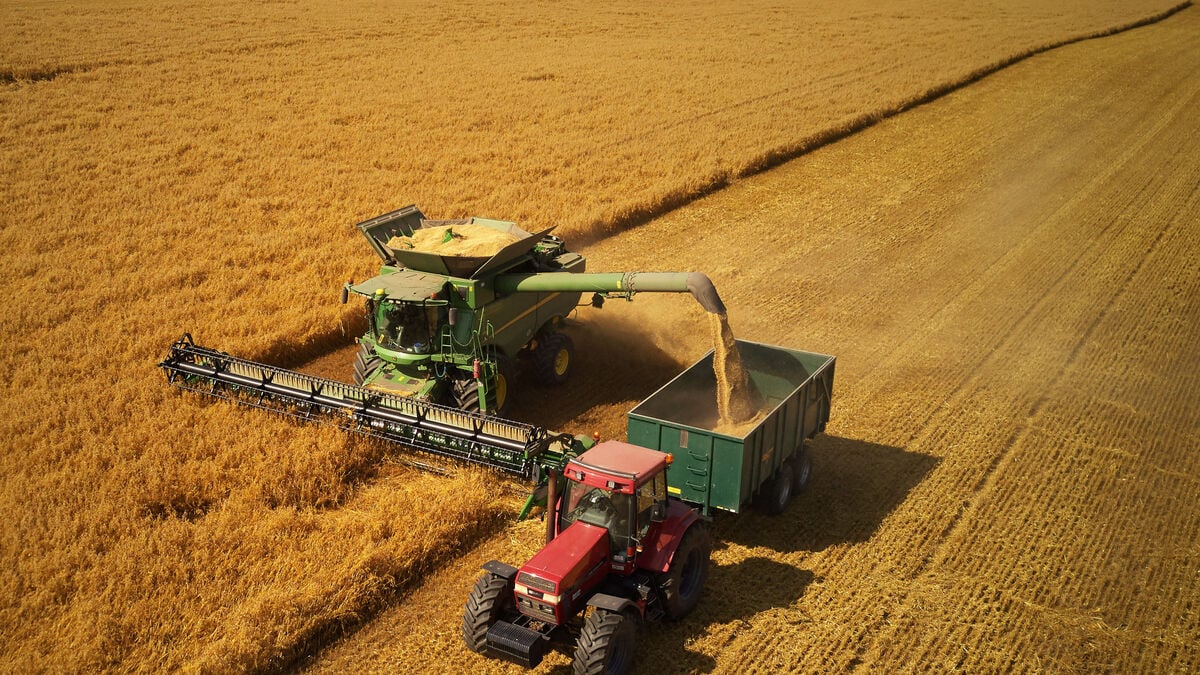
This year's grain harvest is expected to be five million tonnes, which is 20 percent lower than last year's harvest.
It is a consequence of the ravages of winter, says Per Germundsson, grain manager at Lantmännen.
A harsh winter particularly damaged the autumn-sown wheat this season, he says.
A poor harvest means higher prices for wheat in Sweden. We don't know how this will affect consumer prices, as raw material prices are only part of consumer prices.
Reduced profitability
According to Germundsson, however, the root of poor profitability for Swedish grain growers stretches back to the day when Europe's granary - Ukraine - was hit by Russia's large-scale invasion.
Then fertilizer prices began to rise, as did the price of oil and natural gas.
The EU, which had previously purchased fertilizer from Russia, managed to do so thanks to Ukraine maintaining its grain production and Russian grain not being sanctioned.
However, blocked trade routes for artificial fertilizers and rising prices in connection with the closure of the Strait of Hormuz became a more severe crisis, according to Germundsson.
TT: You still received 1.6 billion kronor in government crisis support?
It was welcome as compensation for increased costs for fertilizer and fuel.
This year's harvest forecast means three billion in reduced revenue for agriculture compared with the previous year, according to Germundsson, who hopes for a slowdown in the Middle East.
Then the price of fertilizer and fuel can turn around and provide profitability and confidence in the future, he says.