The outbreak in Congo-Kinshasa may have started months ago, according to the World Health Organization (WHO). However, the outbreak does not meet the criteria for a pandemic, said Lucille Blumberg, chair of the organization's emergency committee.
The risk of an Ebola outbreak within the EU is assessed by the Union as "very low" and there are no signs that Europeans need to take further measures beyond the usual public health advice, EU spokeswoman Eva Hrncirova told reporters on Wednesday.
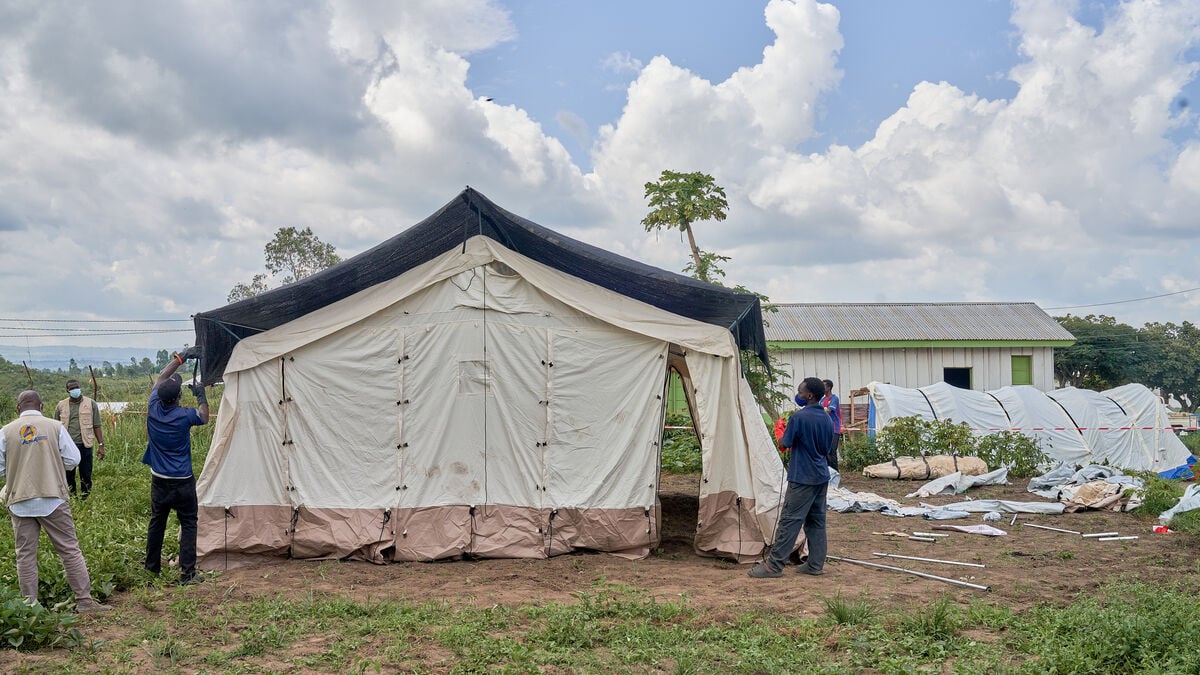
She added that the EU is doing everything it can to support the Central African region affected by the outbreak. Among other things, the Union will deliver medicines, protective equipment and infection control materials to Congo-Kinshasa.
We know that diseases do not stop at borders, and neither does Ebola, says Eva Hrncirova.
The WHO has declared the Ebola outbreak in the central African country an international health emergency, expressing concern on Tuesday about the "scale and speed" of the virus, which has killed more than 130 people.
The WHO assesses the risk of the virus spreading in Congo-Kinshasa and Uganda as high, both at the national and regional levels, but low at the global level.
The Bundibugyo Ebola variant is behind the current outbreak in Congo-Kinshasa. There is no vaccine or treatment for that variant. Uganda has also been affected by the infection.