The US raids on Saturday night targeted radar installations. The US regional military command Centcom reported that the targets were located in the city of Garuk and on the island of Qeshm in Iran.
The Iranian response was twofold - and angry:
The attacks constitute "a flagrant violation" of the ceasefire that has been in place since April, Tehran announced, stating that the raids violate Iran's "territorial sovereignty and integrity" and constitute "hostile and provocative behavior."
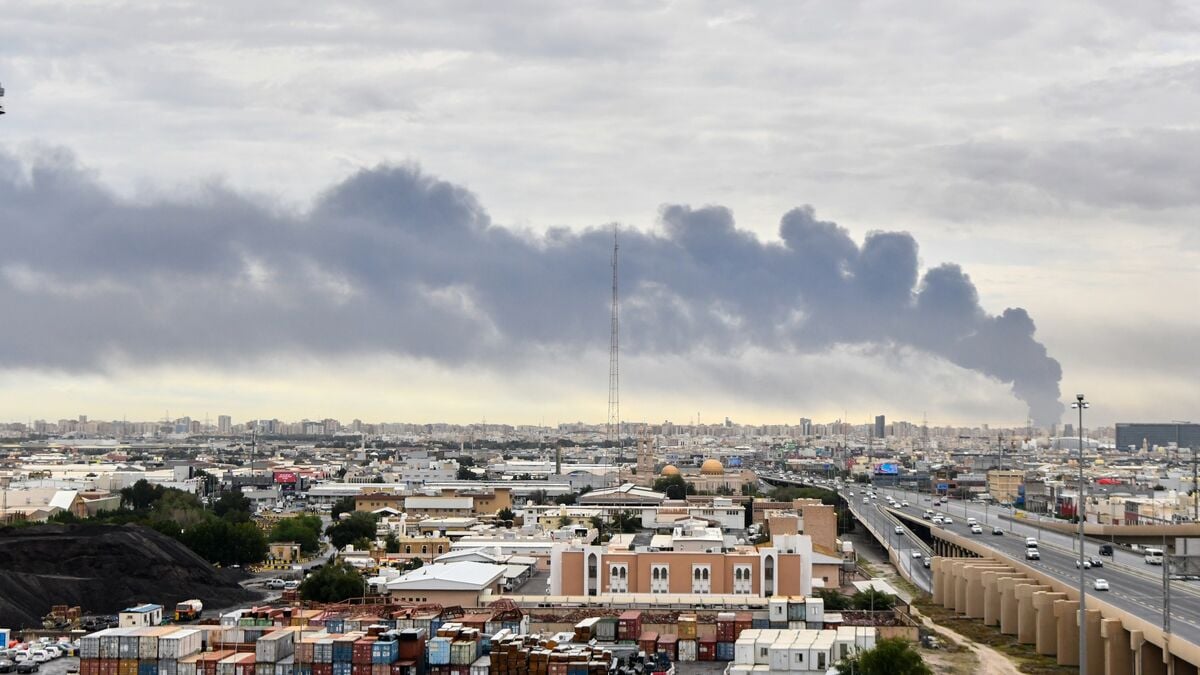
Flight alarms sounded in Bahrain and an AFP reporter on the ground in Kuwait reported explosions near the country's international airport early Saturday.
Centcom confirms
Mother of two, Reem, was one of many who woke up to the explosions:
My children were terrified, and I couldn't calm them down.
Centcom confirmed that US bases in both countries were attacked, but said there were no reports of damage. Bahrain confirmed that it had shot down drones and missiles, and Kuwait said it had attacked seven Iranian missiles in its airspace.
But neither side said on Saturday that the ceasefire had formally ended. On paper, there is a ceasefire in the war that the US and Israel began in February, but it is broken on a daily basis.
“Seems to be going well”
Despite the attacks raising concerns that the ceasefire could collapse, US President Donald Trump said that "the situation with Iran seems to be going pretty well."
We can get out of Iran very quickly ... whether it's through a piece of paper or through the very hard way.
In an interview with US network NBC News, Trump claimed that Iran has just over 20 percent of its missiles left.
"They still have capacity. They have some robots, they have some drones. I would say, percentage-wise, they have maybe 21, 22 percent of their robots left," he said.
The figure is higher than the 18 percent the president stated in May. In the past, Trump has repeatedly claimed that Iran's combat capability is completely destroyed.