A couple of weeks ago, employers in the industry demanded that the rate of wage increases must fall - increased competition from China demands it, was the message.
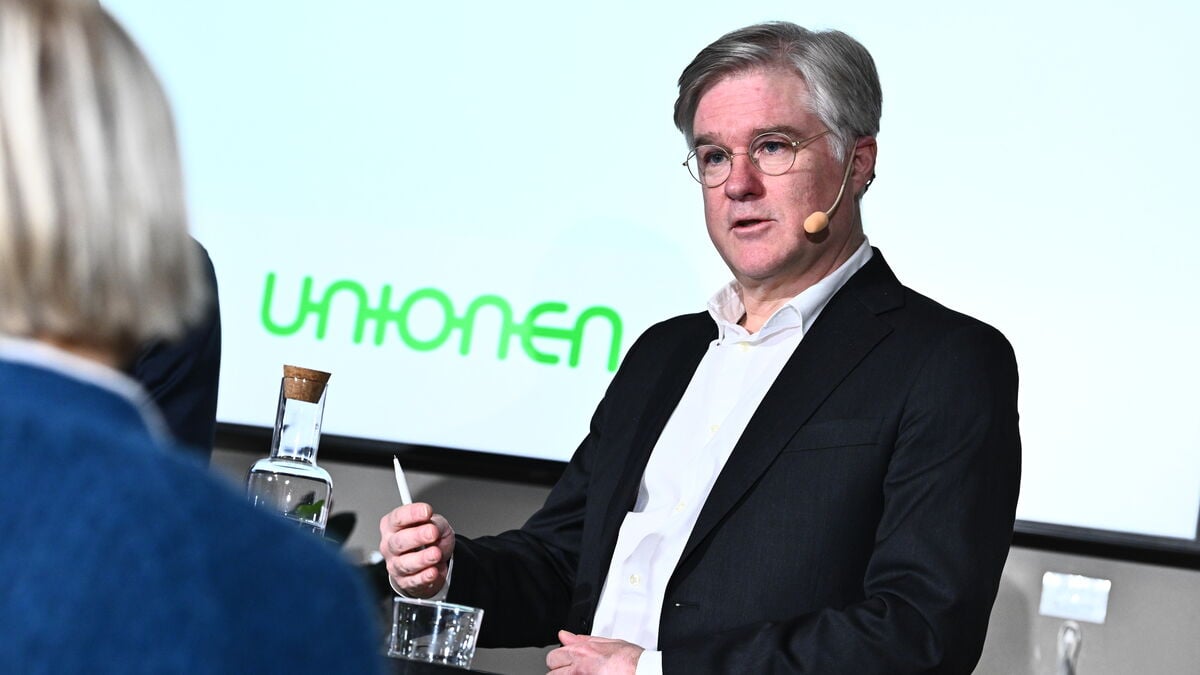
We don't buy it. Swedish competitiveness is strong, says Unionen's chief negotiator Martin Wästfelt.
“About the same as before”
How much salary increase is there room for?
"About the same as before. The conditions are pretty much the same as they were in the 2025 wage movement," he says.
The wage gap then reached 6.4 percent over two years, that is, 3.2 percent per year on average, with a few tenths of a percentage point being used to shorten working hours.
Even when it comes to reduced working hours, the parties are on a collision course. The employers want a stop, “we have come to the end of the road,” as the CEO of the Swedish Industrial Employers' Association, Per Hidesten, put it to TT. But the unions want to continue on the path they have chosen.
We will continue our journey towards shorter working hours, says Wästfelt.
Increased pressure
That journey began in several areas of agreement, mainly in industry, in the late 1990s. The range in different professional groups is large, between 8 and 72 hours of shorter working hours per year for white-collar workers.
Another issue that the Union's large bargaining council has highlighted a little bit in recent days is increased union influence in the workplace, something that is noticeable, among other things, when unions want to force companies to sign collective agreements. This became visible, among other things, in connection with the strike notice against the gaming company King, before the company signed.
There is increased pressure among members to achieve collective agreements in many workplaces where they are lacking, according to Martin Wästfelt.
The goals that have now been adopted by the members' representatives will be translated into concrete numerical demands during the autumn, initially together with the other industrial unions within LO and the engineers in Saco - demands that, after bargaining with the employers, eventually end up in the so-called wage mark.
On March 31, 2027, several of the old wage agreements in the labor market will expire.