When Commission President Ursula von Leyen and Council President António Costa finally stepped forward at their press conference after the night-time chaos at the EU summit, they naturally did everything they could to claim that they had succeeded.
Financing for Ukraine is now secured for at least two years to come.
Nevertheless, it is a major setback for von der Leyen in particular that the plan to use the frozen Russian state assets did not go through.
Both she and German Chancellor Friedrich Merz have invested a lot of prestige in getting the plan through and can expect growing criticism in the future. The blow is also a double blow for the German duo, who are also forced to wait for a final settlement on the trade agreement with the Mercosur countries in Latin America.
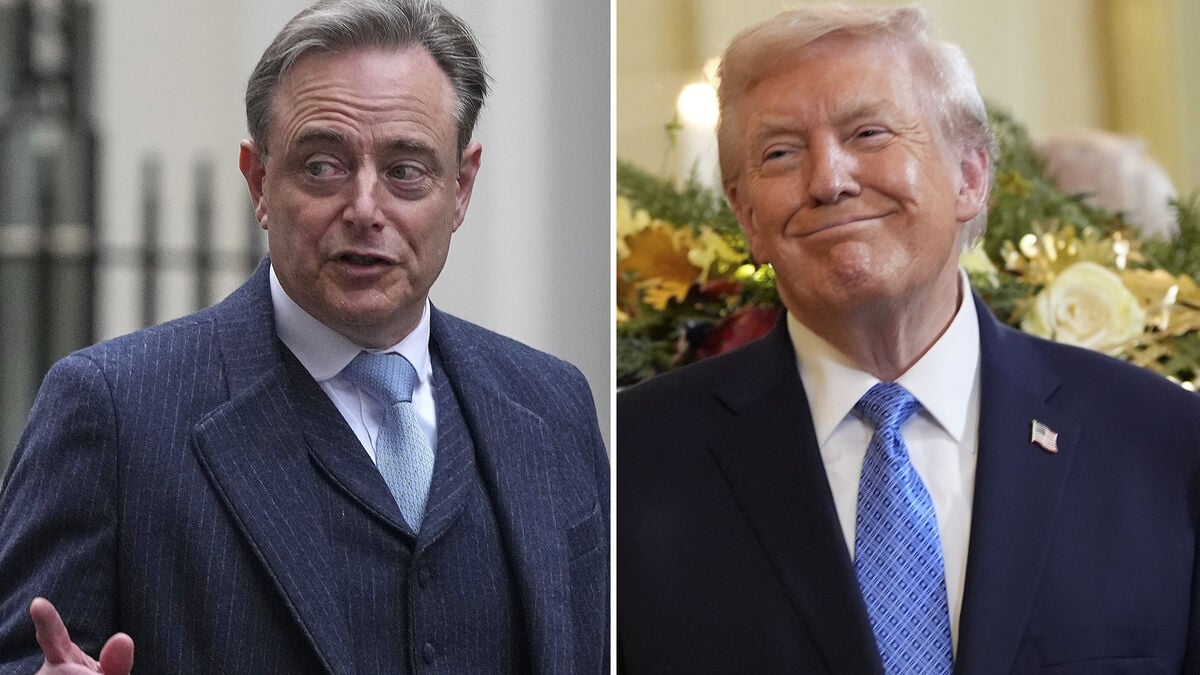
Trump and De Wever
On the winning side is Belgian Prime Minister Bart De Wever, who managed to stop the movement of the Russian billions that are physically stored in his country.
This is likely to please US President Donald Trump, who has his own plans for the Russian money to instead be used by American companies for the future reconstruction of Ukraine.
Ukraine is of course also a winner as it now receives the money it needs to continue defending itself against Russia. President Volodymyr Zelenskyy nevertheless has reason to be concerned about increasingly clear signs of diminishing support and unity in Europe.
Victory for Putin?
Even Russia and the leaders of the EU's three most Ukraine-skeptical governments – in Hungary, Slovakia and the Czech Republic – are likely to declare themselves winners. However, their "victories" are far from certain.
Russia's money is not being used now, but the process surrounding it has meant that it is now frozen in the EU for an essentially indefinite period. This means that Vladimir Putin can no longer hope to suddenly release it with the help of a veto from Hungarian Prime Minister Viktor Orbán.
Hungary, Slovakia and the Czech Republic can rejoice at being free from the risk of a loan and can hope for thanks and praise from Moscow and Washington. At the same time, their relationship with their closest neighbors in the EU is becoming increasingly complicated.
At the summit in Brussels, the heads of state and government of the EU countries backed a loan of 90 billion euros to Ukraine for the years 2026-27. The money will be borrowed using the EU budget, but in a way that means that the Czech Republic, Hungary and Slovakia do not have to participate.
The loan will then only be repaid by Ukraine once it has received war reparations from Russia. Until that happens, Russian state assets in the EU will remain frozen. The EU also reserves the right to use the assets to repay the loan.