
At lunchtime on Sunday, heavy-handed centrists from across the country will gather in Stockholm to decide the party's future.
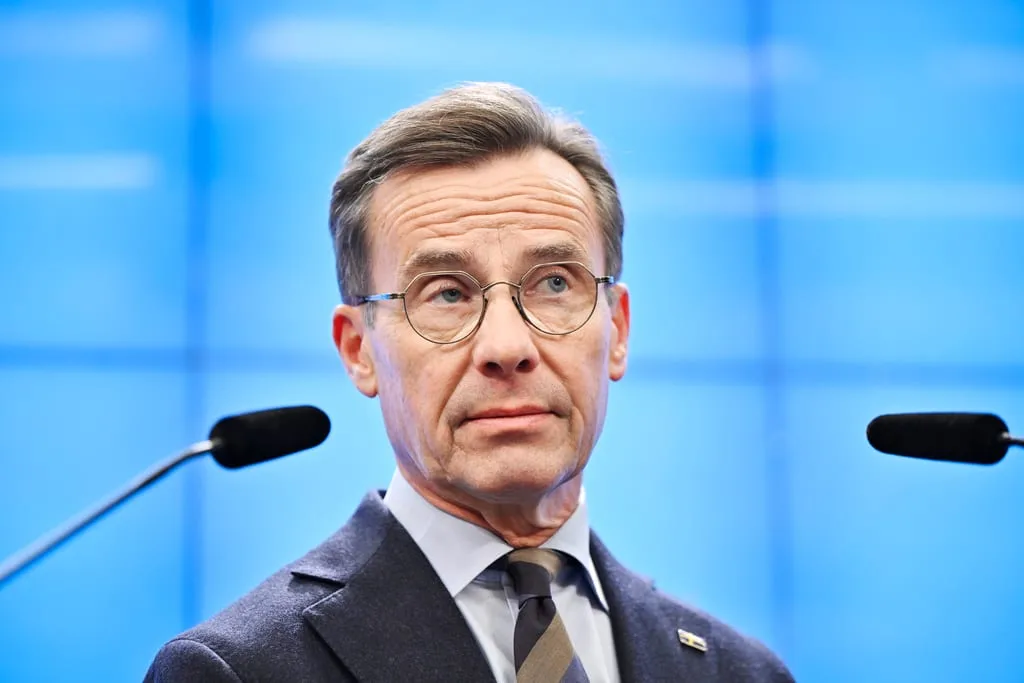
Either they vote yes to joining Moderate leader Ulf Kristersson's planned four-party government or the proposal will be rejected.
The vote for prime minister, if Kristersson, on Monday is the third in a row after the election in September, and after that there is only one more attempt left before there is a special election.
The crucial question for many in C is how dependent such a bourgeois government would become on the Sweden Democrats.
"Feels good"
The party leadership has been negotiating for a long time for C to be able to accept Kristersson. An agreement has been reached, and they believe in victory in the council of confidence.
It feels good. The assessment is that there is a majority that will follow the decision of the parliamentary group and the party board. But it is difficult to say how many, but there is a stable majority, a central C source tells TT.
The party leadership has listened to the districts and had its “ear to the rail”. Some districts have also made public decisions and some representatives have told the public how they will vote.
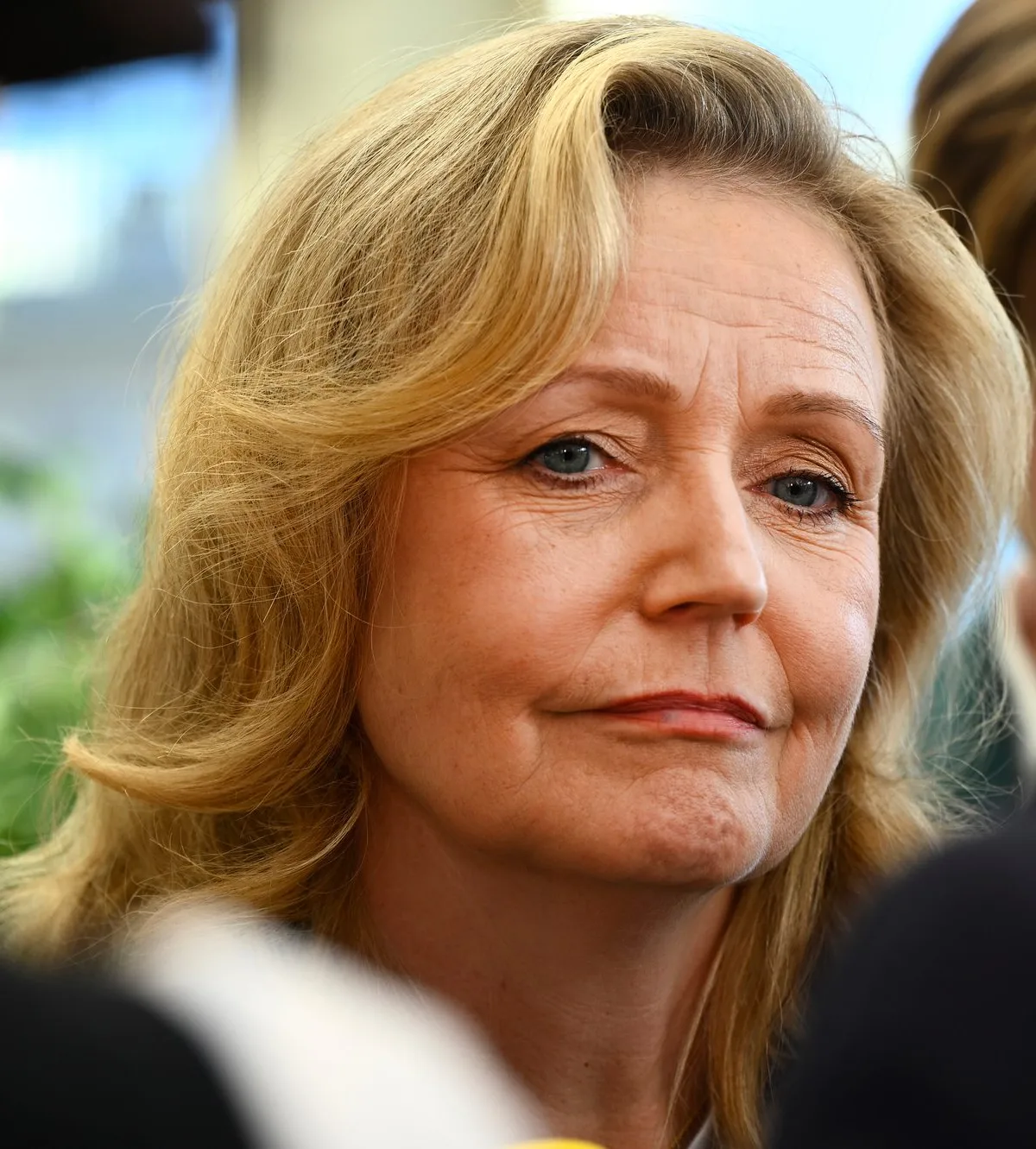
The council of confidence consists of 59 representatives, three of whom come from the party board. Party leader Elisabeth Thand Ringqvist has one vote and the other two are Ulrika Heie, second deputy party leader, and deputy party leader Rickard Nordin.
If the council of confidence says no to the line that Thand Ringqvist has pushed for to be included in Kristersson’s government, then she has internally announced that she will resign immediately.
She has announced that this is the path forward she can lead, as she does not believe in V in government or that the Center Party should be the party that takes Sweden to special elections, says the source.
He had taken over
In such cases, Rickard Nordin will take over. He has been strongly critical of the decision that the C party leadership made on Thursday.
“I have dedicated my entire political life to a Sweden that takes the lead in climate work and to an energy policy that enables the transition,” he wrote on social media after the decision.
“These are ambitions I am not prepared to compromise on. With the proposal and the forms of cooperation that are now on the table, I do not see the conditions for realizing them.”


What do you think?