The violent showdown broke out in early January after talks over the Kurdish-controlled territories in northeastern Syria collapsed.
Government forces have gone on the offensive and have rapidly driven the Kurdish-led SDF forces from Aleppo, Raqqa and Deir Ezzor. In doing so, the SDF has also relinquished control of the camps where thousands of ISIS members are being held captive.
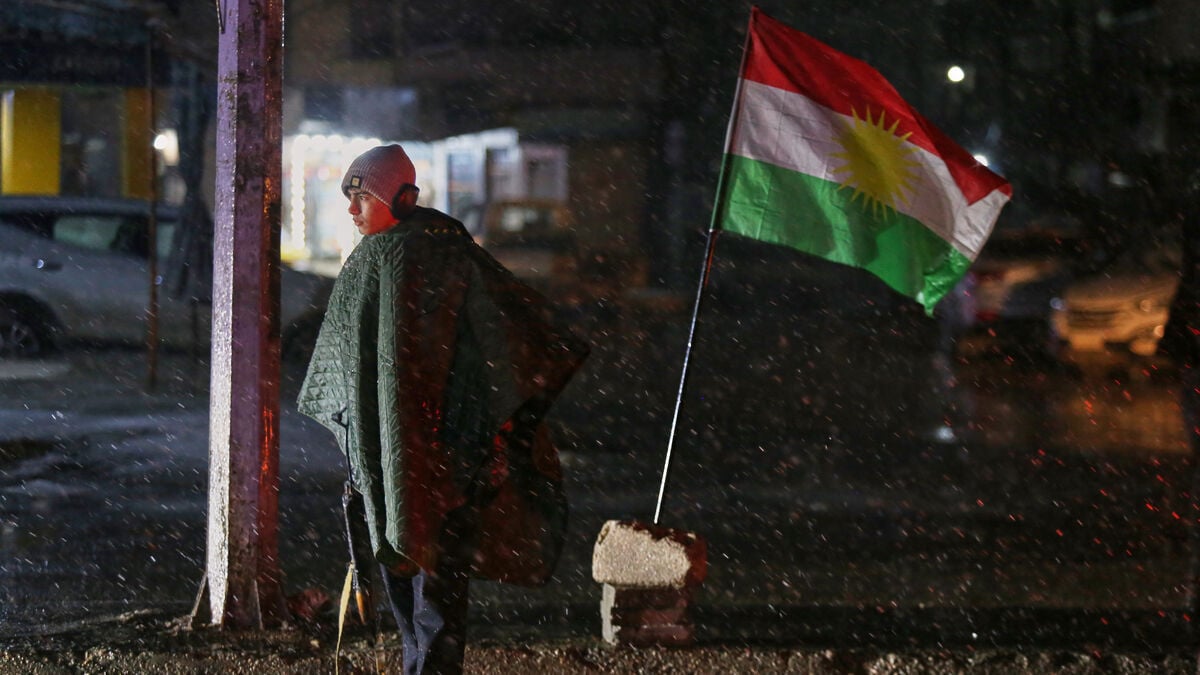
It was during the fight against ISIS that the Kurds extended their de facto autonomy to areas dominated by Arabs. After the US formed an alliance with the SDF in 2015, Washington pushed the Kurdish-dominated forces to finally crush the ISIS “caliphate” by, among other things, liberating the terrorist movement’s “capital” Raqqa.
Since then, the Kurds have ruled there in a fragile alliance with local Arab groups.
Lost revenue
The fact that the areas have now fallen so quickly to government forces is partly explained by many of those groups being convinced to ally themselves instead with Syria's new Islamist government. At the same time, the Kurds have lost control of oil and gas fields that served as important sources of income.
On Tuesday, a representative of the Kurdish autonomous government expressed surprise that the appeal for support from the US-led coalition against ISIS had gone unanswered. But the fact is that Washington now sees Syria's interim president Ahmed al-Sharaa - a former jihadist leader who led the overthrow of dictator Bashar al-Assad in late 2024 - as its most important ally in the country.
The SDF's role in the fight against ISIS is "overplayed," US envoy Tom Barrack announced this week.
Negotiations are ongoing
A temporary ceasefire between government forces and the SDF was extended on Saturday. According to an agreement, the Kurdish forces will eventually be disbanded and integrated into the government army.
Al-Sharaa also demands that the Kurdish-dominated areas along the border with Turkey - which form the heart of the de facto autonomy established by Syria’s Kurds after the outbreak of the civil war in 2011 - be subordinated to the state. The interim president has promised to respect the rights of the long-oppressed Kurds, but several of Syria’s minorities are currently questioning whether such promises can be trusted.
Faced with the threat of a continued offensive from government forces and abandoned by Western allies, the Kurds appear to have no choice but largely to go along with Damascus.