This week, futures for US WTI oil rose 36 percent to $91.20 a barrel - the biggest weekly gain since records began in 1983, CNBC reports. And the other day, Qatar's energy minister warned that the Iran war could push oil prices to $150 a barrel.
Christian Kopfer, a commodities analyst at Handelsbanken, believes that the price level itself is not decisive. According to him, the world economy can handle oil prices of 90–100 dollars a barrel.
But not the price level. That there will be rationing and disruptions in supply chains - that is the absolute most serious thing economically.
Could have wide impact
The Iran war has caused the price of gasoline in Sweden to increase by approximately 70 öre to around 16 kronor per liter. At an oil price of 100 dollars per barrel, the price of gasoline ends up at 17–18 kronor.
And with the extreme example of $150 per barrel, there will, of course, be a substantial price increase at the pump.
But increased oil prices will, according to Kopfer, affect the Swedish economy in a broad context.
"Sweden is very export-dependent. All supply chains are incredibly dependent on oil," he says.
The inflationary impact of oil prices also reduces belief in a Swedish policy rate cut in the near future, which affects mortgage rates.
Kopfer notes that with each passing day, the world's oil reserves are depleted.
Because the world continues to consume approximately 100 million barrels per day while only producing about 80 million barrels per day - roughly speaking.
It's getting closer and closer to an energy crisis the longer this goes on. It's enough that it's as bad as it is now, that it just continues, and the stocks will be drained. Then the prices will skyrocket.
The point is
Kopfer describes it as "a noose being tightened around the world economy."
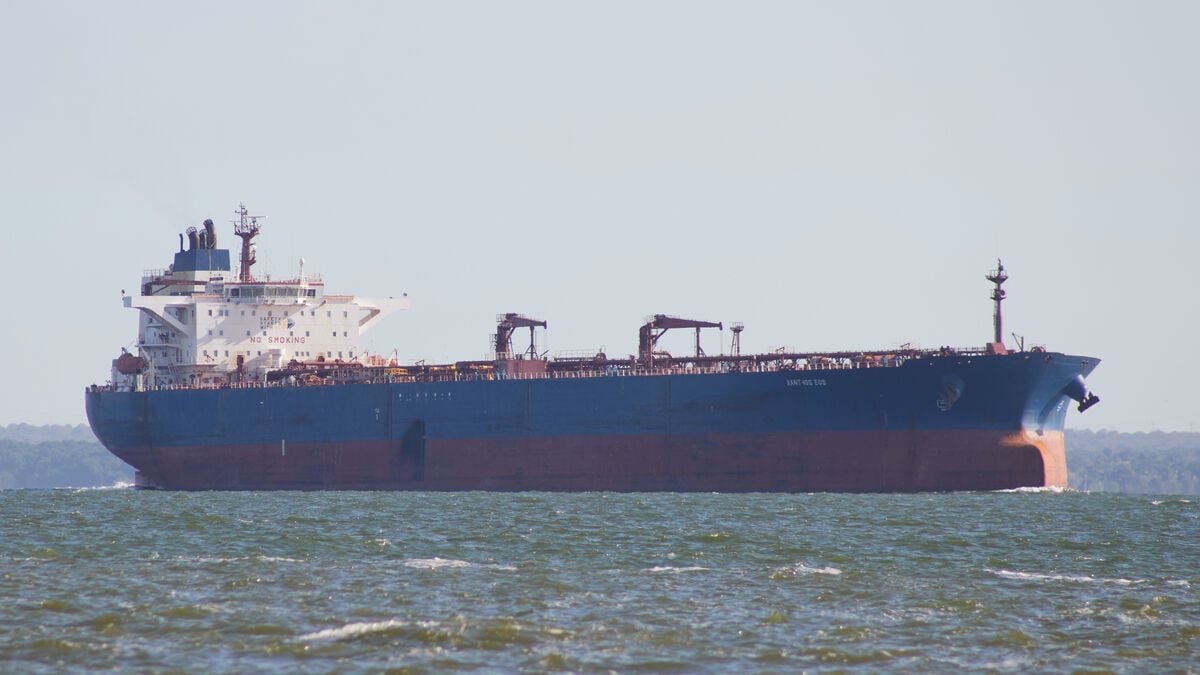
Reduced production rates due to storage options and the fact that transport is basically at a standstill in the Strait of Hormuz - where normally a fifth of the world's oil passes through - is not a good combination, according to Kopfer.
It's really going in the wrong direction. Both in how long this seems to be and the magnitude of it all. It's escalating.
How long can oil prices last?
We need to find a solution to this bottleneck, the Strait of Hormuz. Because that is the crux of the matter.