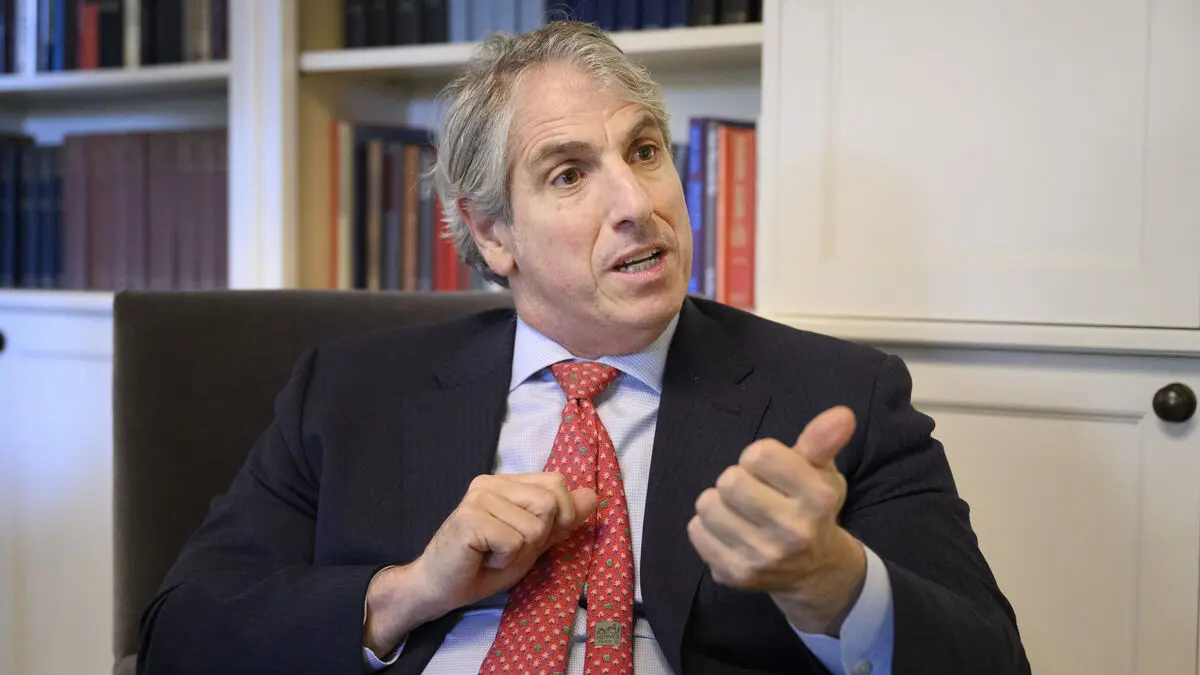
According to the authority, 90 percent of all ten-year-olds in Sweden have a smartphone. Now Director General Olivia Wigzell hopes that the new recommendation will lead to a shift in norms.
This can be seen as support for parents to have common guidance to follow, she says.
Displaces play
Wigzell lists a number of benefits of postponing the introduction of smartphones to children.
It can reduce the risk of harmful content, harmful contacts, addictive use, sleep problems and negative impacts on mental health, she says, and continues:
And of course, mobile phone use displaces activities such as play, socializing, and schoolwork.
In April, FHM was commissioned by the government to investigate when children should get their own smartphone at the earliest. In the investigation, the benefits of smartphones, such as communication, entertainment and a way to stay in touch, have been weighed against the disadvantages. The disadvantages have outweighed the benefits, not least because research has shown that mobile phone use leads to poorer and shorter sleep.
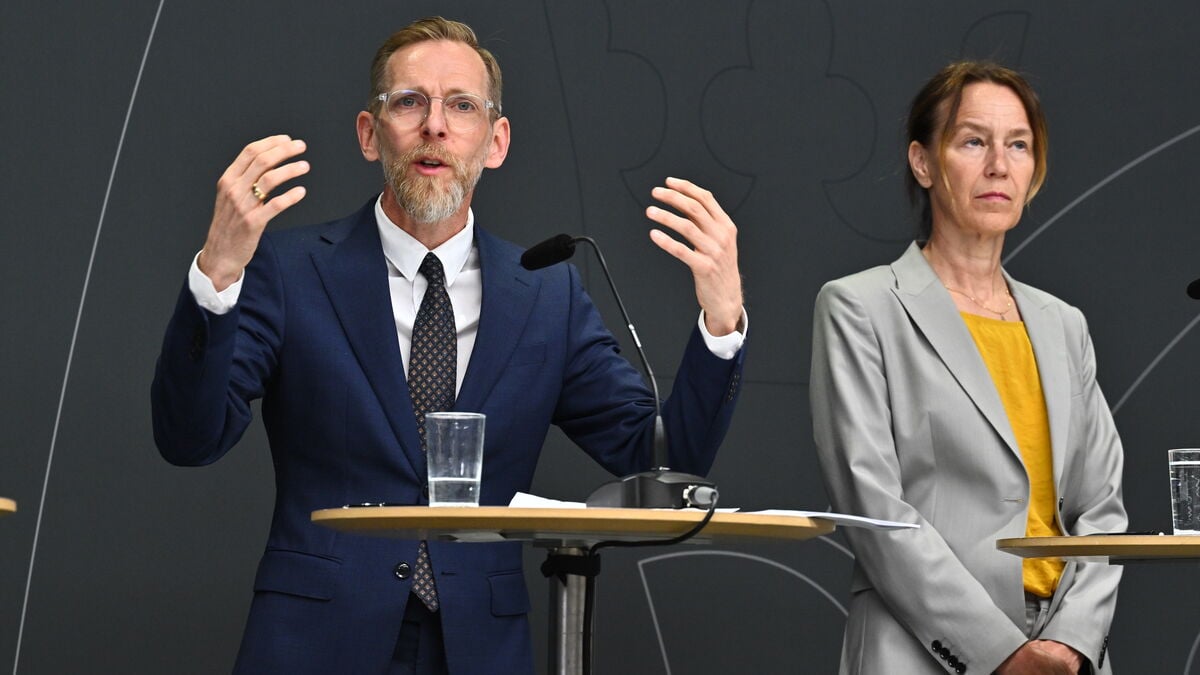
The interim report on the assignment has now been handed over to Minister of Social Affairs Jakob Forssmed (KD). He also highlights the role that smartphones have when it comes to gang recruitment.
The police describe a before and after of the impact of the smartphone among children, he says.
It is essentially the foundation of an infrastructure and planning for horrific crimes where children are used and exploited as consumables.
Agreement
When asked how parents who have already given their children a smartphone should act, Forssmed says that he understands that it is a difficult situation.
You can take away your child's smartphone; there is support for doing that, but you might also be able to get together with other parents and come to an agreement, he says.
If that's not realistic, I think it's a good time to remove all smartphone functionality from the phone, as much as possible. But it's difficult to navigate and has proven not to work as intended.