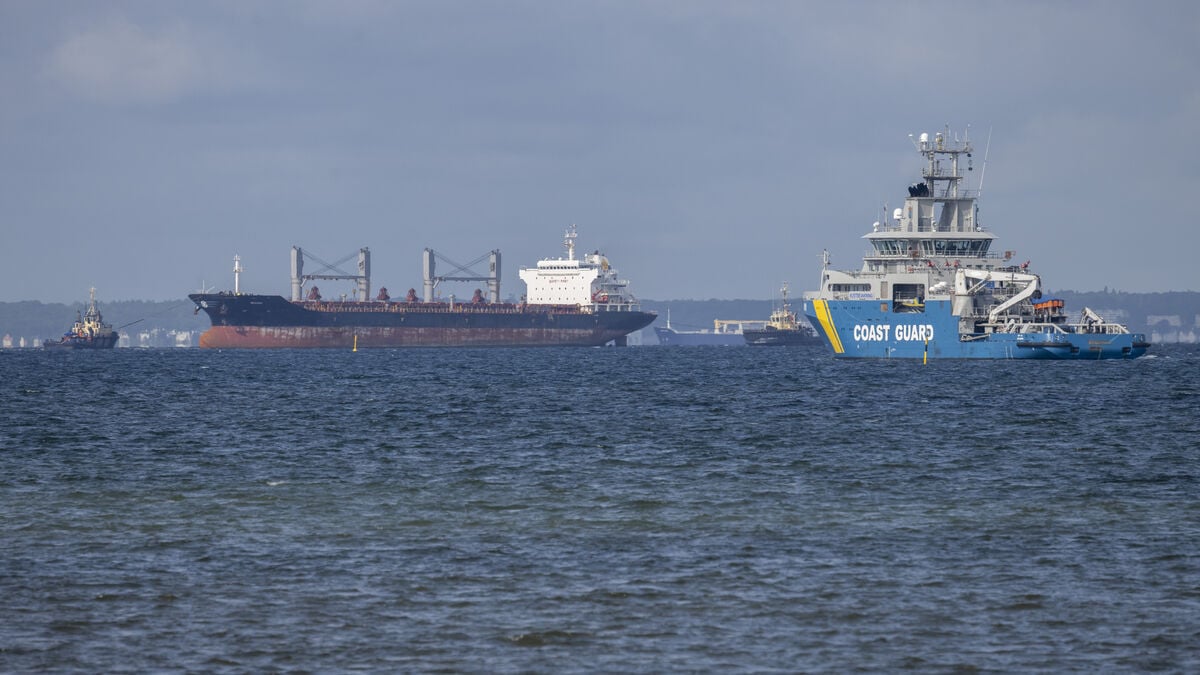
Ten selected lighthouses in southern Sweden will be equipped with a so-called Racon transponder, which responds with Morse code when it is hit by a radar signal from a ship.
The technology, which is far from new, provides an effective way for ships to determine their position when the GPS signal is unreliable.
"The new thing is to put them on the high coastal lighthouses in exposed areas to provide an additional opportunity for orientation in poor visibility," says Johan Winell, business area manager at the Swedish Maritime Administration in a press release from the authority.
Responds with Morse code
Winell emphasizes that the need for alternative systems has become greater as GPS interference has increased.
The Kapelludden lighthouse on Öland has already received the technology. At the selected lighthouse sites, the shoreline is often low and difficult to define.
"In many places along our coast, there are stretches where it is difficult to determine where you are on the radar image. This is because there can be flat coasts without recognizable features such as capes that provide clear orientation points on the radar," Winell continues.
Russia is singled out
GPS interference in the Baltic Sea poses a safety risk to both shipping and civil aviation. It has increased gradually since the end of 2023 and has intensified significantly over the past year, according to the Swedish Transport Agency.
The source of the disturbances has been traced to Russian territory, among other things, according to the authority.
The Swedish Maritime Administration urges anyone heading out to sea to be extra careful. This also applies to recreational boat owners who navigate using digital chart systems.
Jamming. When a large transmitter blocks GPS signals. It is common in military contexts to prevent tracking and make navigation difficult.
Spoofing. When GPS signals are manipulated so that the receiver receives an incorrect position. This can have serious consequences, as systems are tricked into accepting incorrect information.
Natural disturbances. For example, they can occur due to solar storms, weather conditions or geographical obstacles. Systems may show an incorrect or no position.
Source: Swedish Maritime Administration