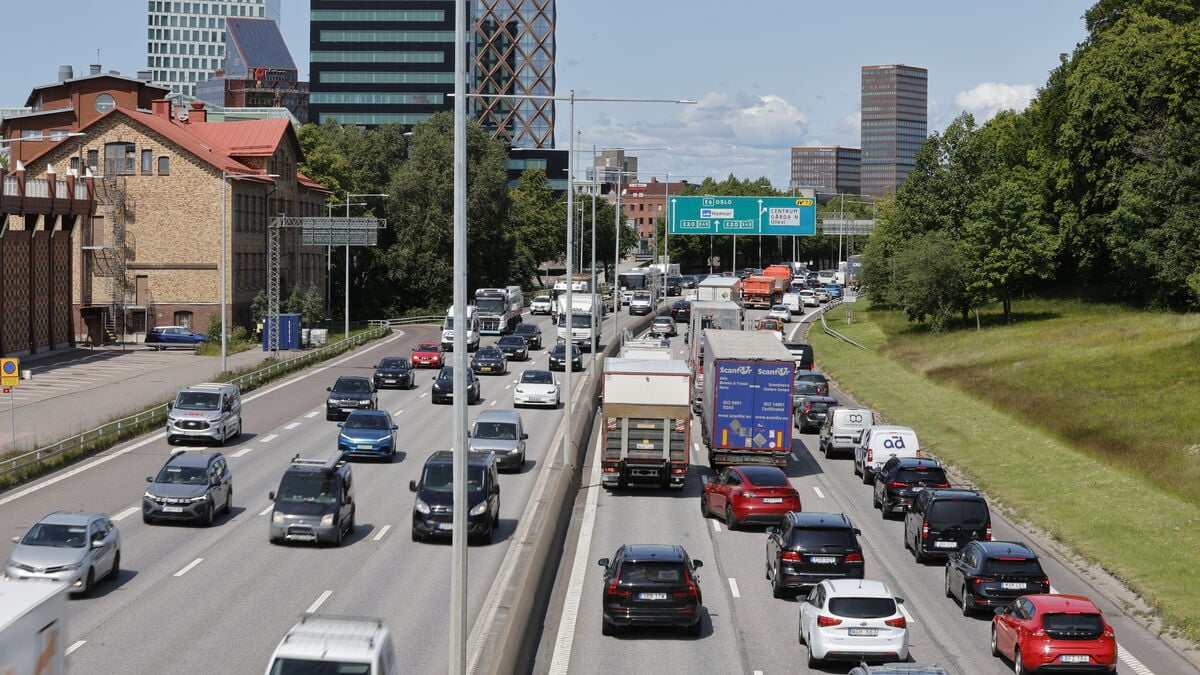
The year-on-year increase is the largest since 1990, with the exception of 2010 and the recovery from the financial crisis. It is primarily due to increased use of fossil diesel in road traffic and construction machinery.
The changed reduction obligation has led to increased use of fossil fuels, which in turn has increased emissions from road traffic by 24 percent and work machinery by 33 percent.
Emissions from transport constitute the majority of emissions included in the EU's ESR (Effort Sharing Regulation). Last year's increase makes it more difficult to achieve the national interim targets for 2030 and 2040, but also more difficult to meet Sweden's EU commitments for ESR.
"The trend over the last 15 years has been decreasing emissions and we have appeared to have a good chance of reaching both the national interim target and the EU commitment by 2030. The increase in emissions in 2024 has made that possibility more difficult," says Roger Sedin, head of the Climate Targets Unit at the Swedish Environmental Protection Agency in a press release.