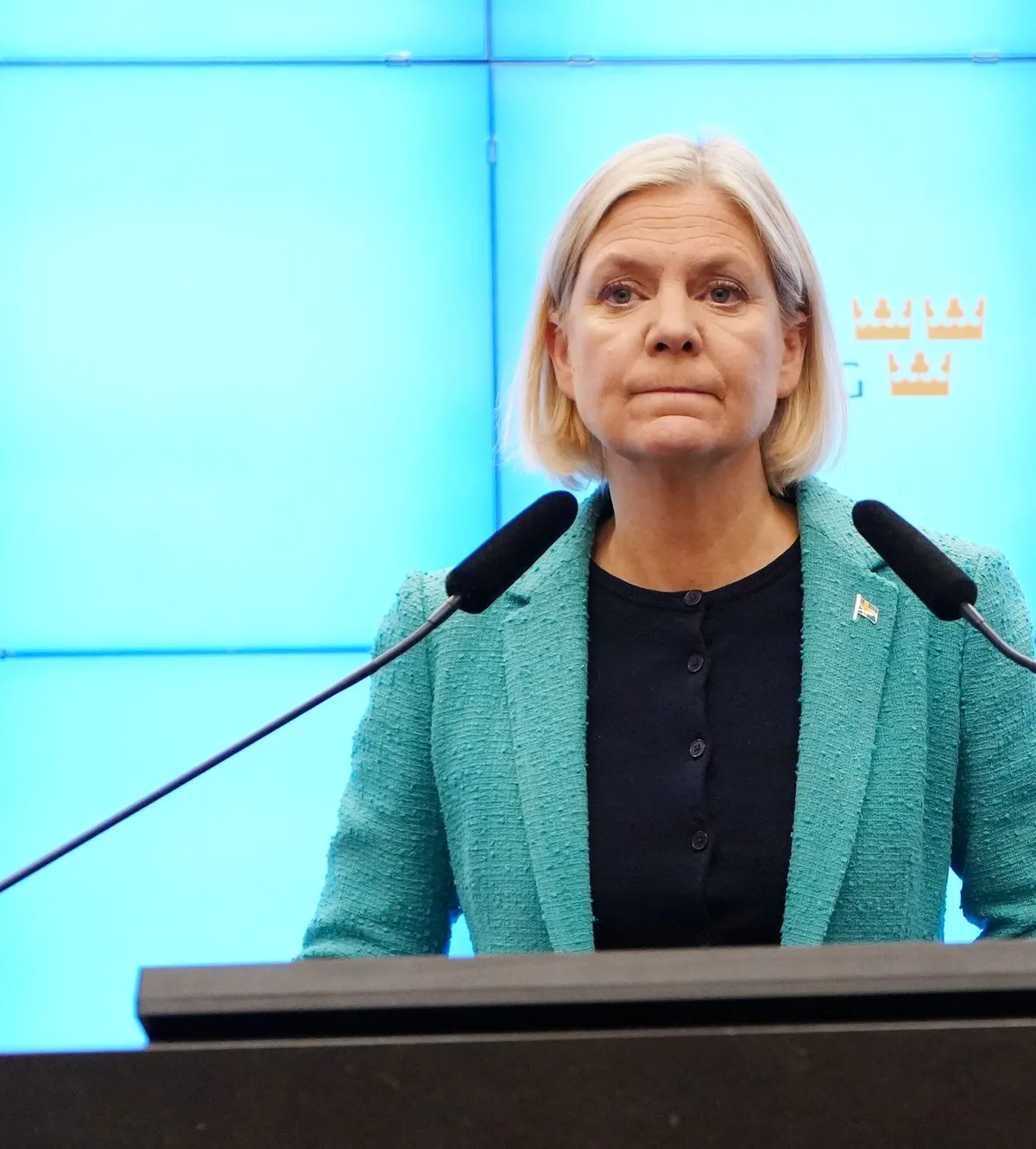
On Thursday, the Riksdag voted against Social Democratic Party leader Magdalena Andersson as prime minister in the first major test since the election. Just over five weeks after election night, Sweden still lacks a government.
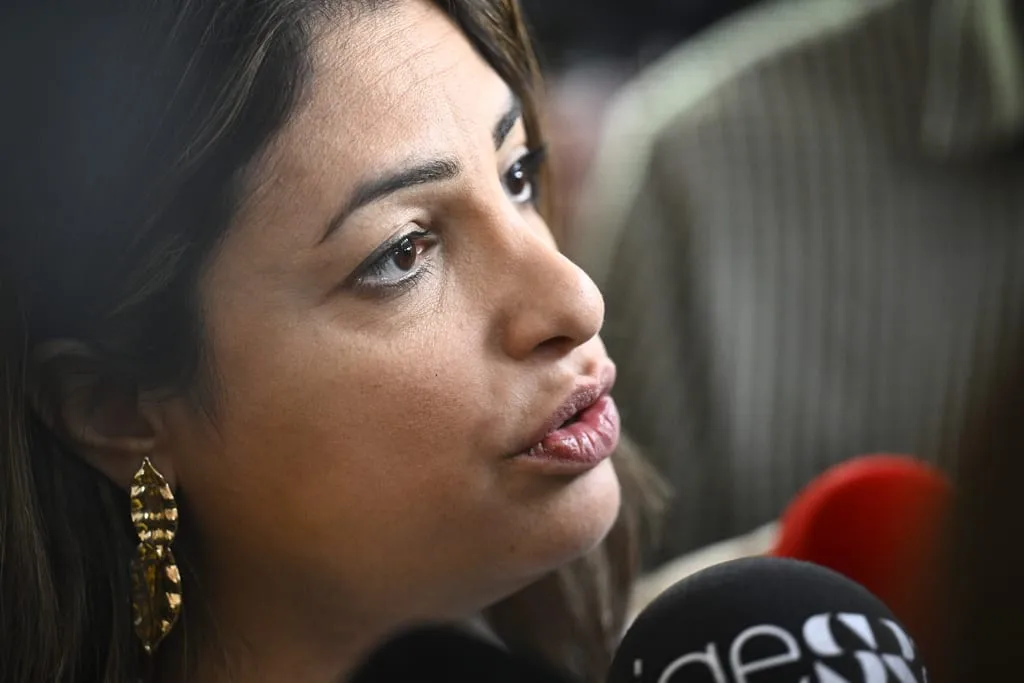
Now Center Party leader Elisabeth Thand Ringqvist has been tasked with exploring the prospects for a centrist government, the alternative advocated by the Centre Party.
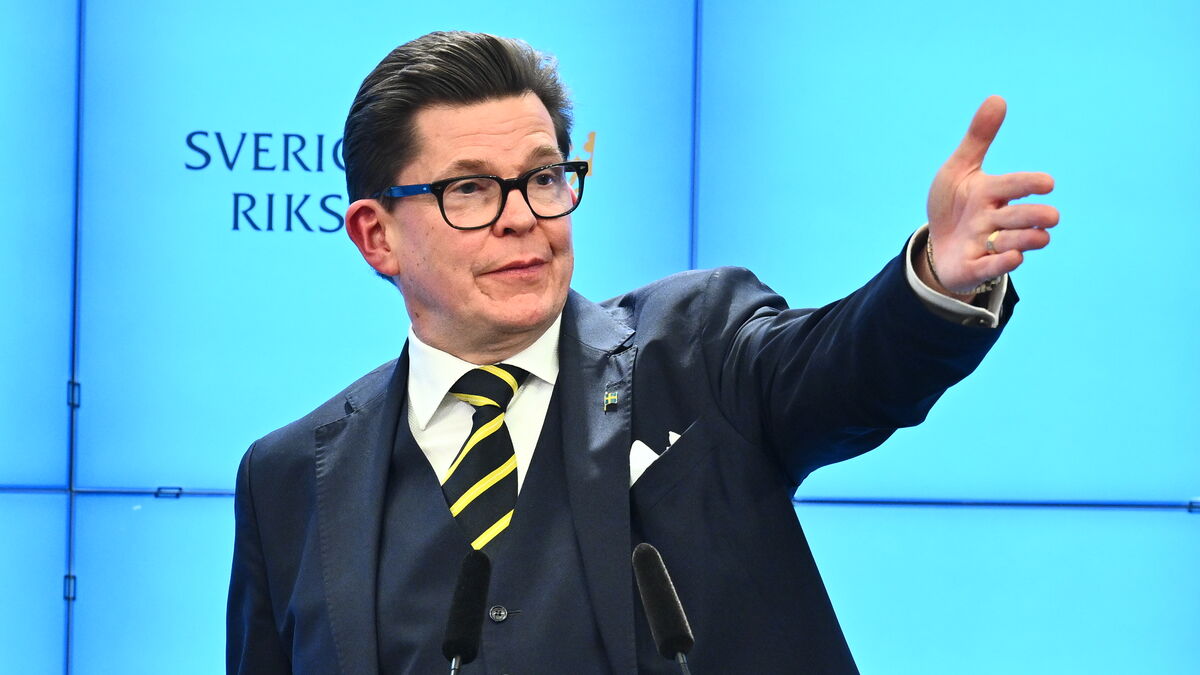
“It is quite reasonable that she now has the opportunity to get to the bottom of the so-called centrist option,” says Andreas Norlén.
Not a candidate for prime minister
Even if she is unsuccessful, Norlén believes that thoroughly testing the alternative will move the government formation process forward.
Thand Ringqvist will report back to the Speaker no later than Monday, October 26.
The Speaker is keeping an open mind about which candidate will be put forward in the next prime ministerial vote. The Riksdag may have to vote on Social Democratic Party leader Magdalena Andersson again.
“Elisabeth Thand Ringqvist may not be an obvious candidate for prime minister,” says Norlén.
It is unclear when the next prime ministerial vote may take place.
The centrist government that Thand Ringqvist has been asked to explore would consist of the Social Democrats, the Green Party, the Centre Party, the Christian Democrats and the Liberals, with Social Democratic Party leader Magdalena Andersson as prime minister. But none of the parties involved has so far shown any enthusiasm for the Centre Party’s proposal.
“If the purpose is to gain support for an S-led government, I will present how the Liberals intend to take responsibility for Sweden in opposition,” Liberal Party leader Simona Mohamsson writes on X.
Instead, she sees the assignment as an attempt to unite “the non-socialist parties” behind Moderate Party leader Ulf Kristersson.
“Logical”
Some had thought that Kristersson would be tasked with exploring the prospects for a government, but that will not be the case this time.
“The Speaker’s decision is logical. The parties that have said that Magdalena Andersson should form the government still have 176 seats and a majority in the Riksdag. It is therefore reasonable that they should exhaust all the different options on the left for forming a government,” Ulf Kristersson says.
Norlén has urged all parties to talk to one another, with or without exploratory missions.
The situation remains deadlocked on the red-green side, which together holds a majority in the Riksdag. This is mainly because the Centre Party and the Left Party have firm red lines against each other.


What do you think?