In 1784, Sweden purchased the tiny Caribbean island of Saint-Barthélemy from France.
Gustav III, like every self-respecting European king, wanted an exotic colony where he could fly his flag. In addition, there was big money to be made from the transatlantic slave trade.
He had enslaved people build the island's new capital, Gustavia. Thanks to a protected and strategically well-placed harbor, the island developed into an important hub for the transit trade in enslaved people.
The island, today a favorite destination for celebrities and billionaires, remained a Swedish colony for almost 100 years.
“Ashamed”
Carina Bergfeldt knew nothing about this, or about the thousands of enslaved people who were transported from the coast of Africa to the Caribbean with Swedish involvement, until she became aware of the story in 2017.
"At first I was ashamed and then I was pissed. It was only ten years ago that they started including this in the school curriculum, but it's still not mandatory," she says.
Ignorance was the starting point for the historical novel "One Day We Will Return".
I considered a book of reports, but they reach a smaller audience. I want everyone to know that this is part of Sweden's history. And that we have neither taken responsibility nor apologized. Everything that happens on the island is drawn from real legal cases that affected real people on Swedish orders, so I think I have got the best of both worlds.
The book depicts the lives of four people from Sweden and Ghana. After journeys across the Atlantic - two of them in chains, two housed in the ship's finest cabin - their lives intertwine on the Swedish slave island.
“My country”
Is a white author allowed to write about the experiences of Black people? The question was raised by Carina Bergfeldt, who sought help from the national organization of Afro-Swedish writers to achieve the right tone and presentation.
It was so helpful. They pointed out chapters with characters from present-day Ghana and said that it was obvious that they were written by a Swedish person. It became clear that it was much easier for me to make connections and add things that gave the Swedish characters flesh and blood.
She has never doubted that she was the right person to write the book.
For me, this is Sweden's history, which is also part of Black history. It is my country that has enslaved people and I think I can write about that.
Facts: The Swedish slave trade
The transatlantic slave trade took place between the 16th and mid-19th centuries. During this period, it is believed that over twelve million Africans were shipped across the Atlantic and enslaved.
In the mid-17th century, the short-lived Swedish Africa Company established fortresses along the Gulf of Guinea, the most famous of which was Carolusborg in present-day Ghana.
In 1784, Sweden purchased the small island of Saint-Barthélemy from France, which remained in Swedish possession until 1878. The island became primarily a place where slaves were sold to other colonies. It is documented that between 8,000 and 10,000 people were transported from Africa or between Caribbean islands with Swedish involvement.
Several countries banned the slave trade in the early 19th century. The Swedish ban came in 1830 after pressure from Britain. Slavery itself was not abolished on Saint-Barthélemy until 1847.
In 2021, the government commissioned the Living History Forum to produce comprehensive educational material about Sweden's role in the transatlantic slave trade.
Source: Living History Forum
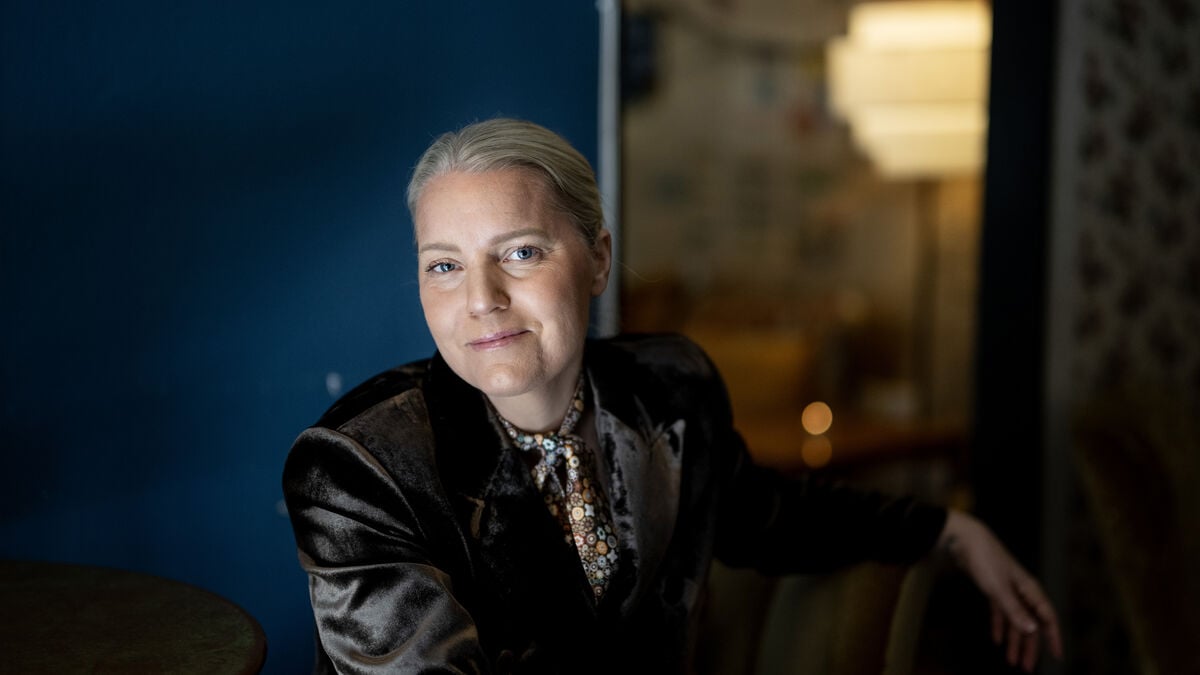
Age: 46.
Background in selection: She began her career as a reporter at Skaraborgs Läns Tidning. She later worked for several years at Aftonbladet. She was SVT's correspondent in Washington, D.C., between 2016 and 2020. Back in Sweden, she got her own talk show "Carina Bergfeldt," which aired for ten seasons between 2021 and 2026 before it was put on hold by SVT this spring.
Selected awards: The Great Journalist Award in the category "Storyteller of the Year" 2012 for the report "The Day We Will Never Forget" (Aftonbladet) about the massacre on Utøya. Honorary Doctorate at Umeå University 2018. The Crystal for "Female Program Host of the Year" 2021.
Current: The historical novel "One Day We Will Return," which revolves around Sweden's role in the transatlantic slave trade, will be published on May 21. She is currently recording a new program for SVT that will premiere in August.