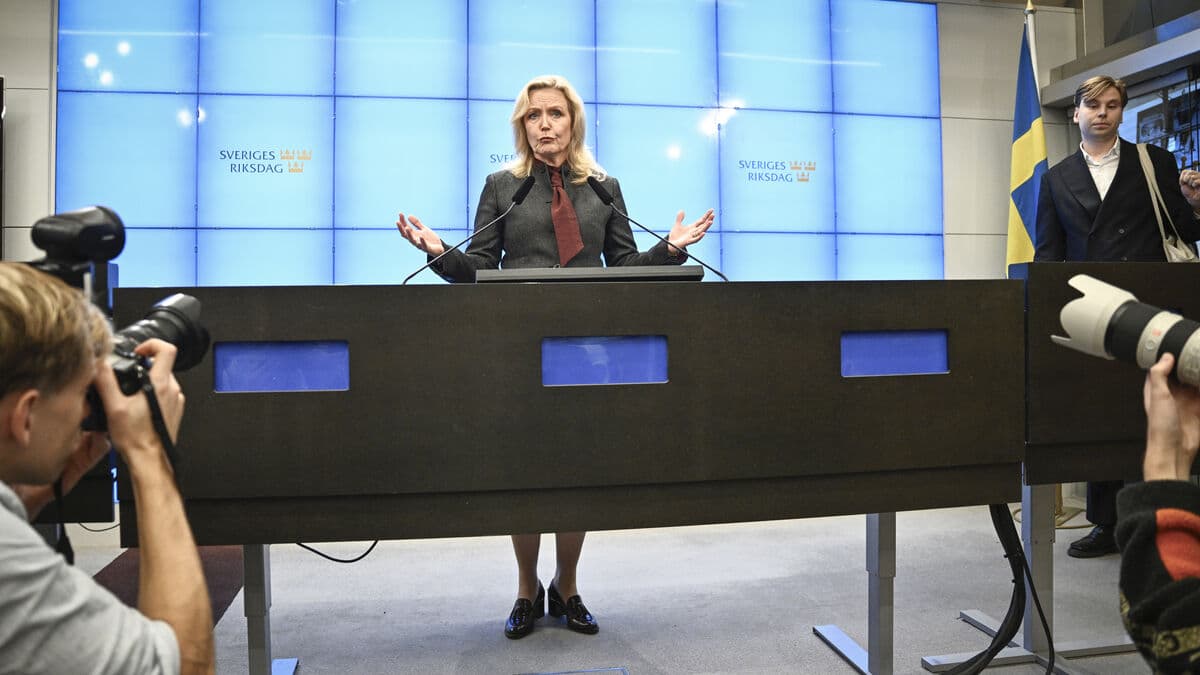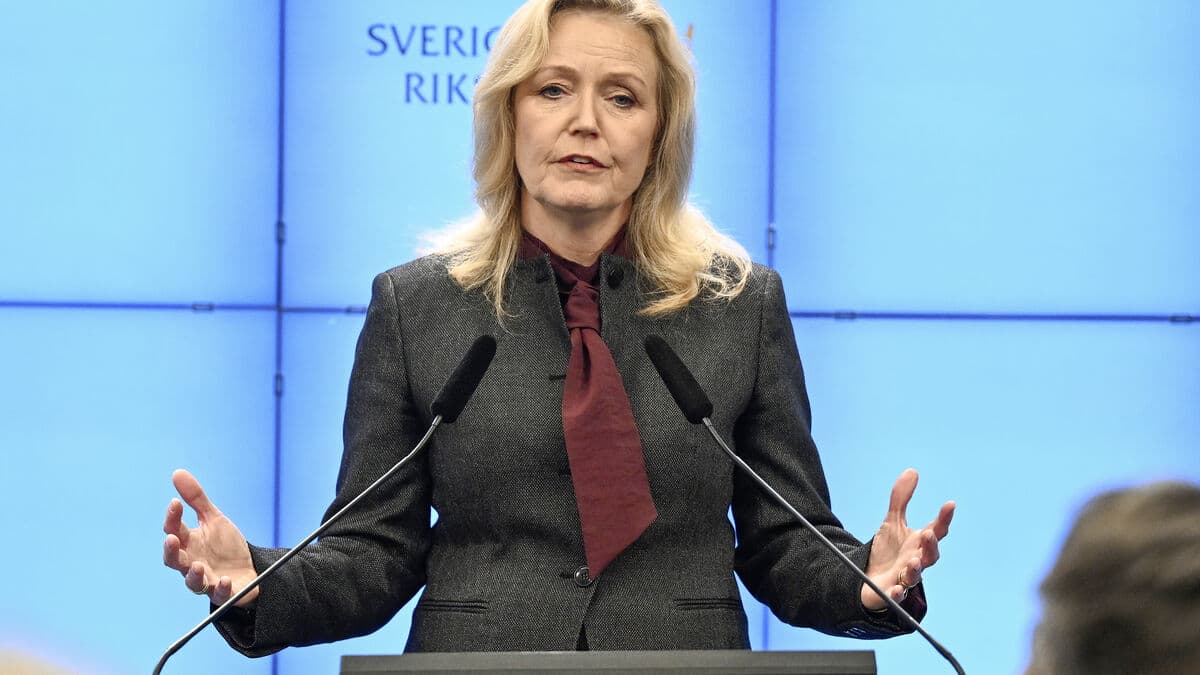
Either the industry has to solve it itself, or the state has to ensure that there are certain rules for companies that allow everyone to be covered, at a reasonable cost, even in the future, says Åsa Westlund, environmental and climate policy spokesperson for the Social Democrats.
She says, at a press conference, that she doesn't really believe that insurance companies - the market - can solve it on their own.
Unintentional
"Really not. These customers will, through no fault of their own, become very unprofitable for the companies. If we don't want individuals to pay the full price for climate change, we must take collective responsibility," says Westlund.
She emphasizes that the homeowners she is referring to are not those who, despite advice, have built houses in places that are vulnerable to erosion, flooding or other consequences of extreme weather. The ones she is referring to are those who have older houses and which, when they were built, were not in vulnerable places but which have since become so. Or where new risk assessments have been made.
Warning from Fi
In February this year, the Swedish Financial Supervisory Authority (Fi) issued a report on how climate change can affect the price of insurance and what a denied insurance policy could mean.
The Inspectorate also emphasizes that banks' willingness to grant or extend mortgages, with the house as collateral, depends on whether the house is insured.
According to Fi, it will likely become more expensive to insure a home and companies will need to adjust insurance policies accordingly. However, in the short term, the risk is generally small that homeowners will be denied insurance. However, the risk is greater where floods, landslides and rockfalls have occurred previously.
The risk can be reduced, for example by the homeowner adapting their property to the climate, or by the municipality making adaptations that can secure an area.
Many at risk
According to a compilation made by DN in June, there are approximately 50,000 buildings in coastal areas in Sweden that are at risk of flooding during high tide events, for example when storms have raised the water level.
Åsa Westlund criticizes the Tidö parties and the government for reducing resources for climate adaptation since the 2022 election.