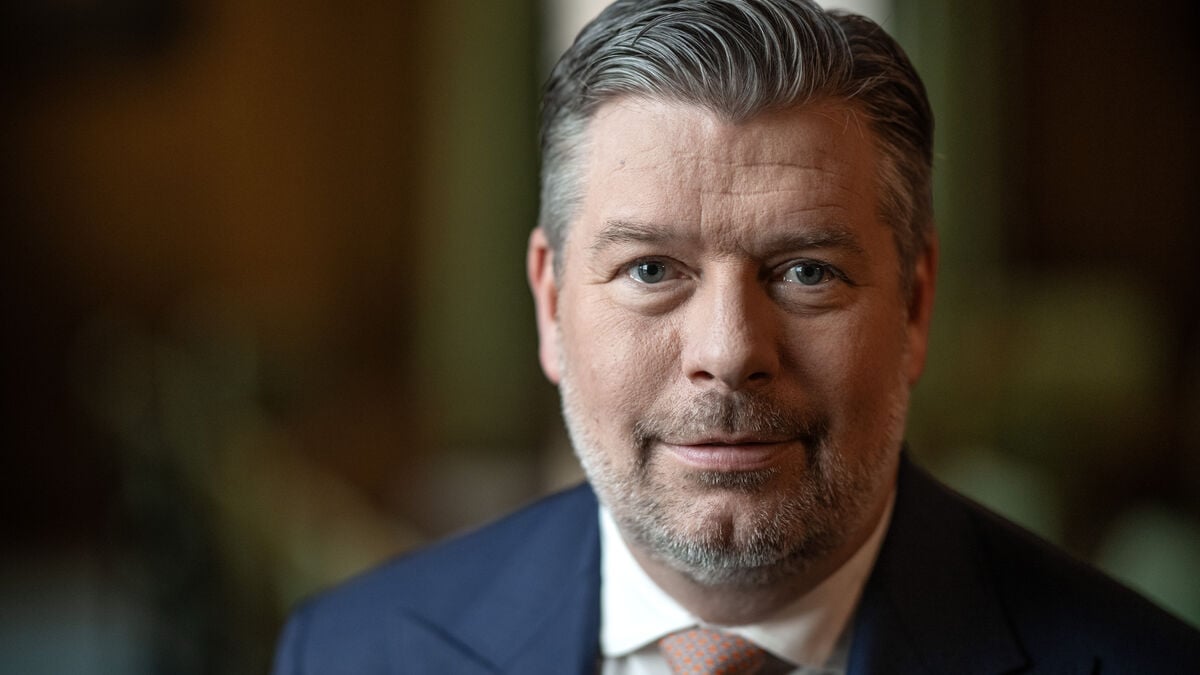
"This was a very active quarter compared with recent quarters. There was particularly high activity in large corporate transactions," the bank's CEO Johan Torgeby told TT.
At the same time, SEB is bringing good news to its owners in the form of a new share buyback programme - a form of dividend.
"The board of directors has decided to use the authorisation from the general meeting on March 24, 2026 to initiate a new programme to repurchase A shares for SEK 1.25 billion," the bank writes in a press release.
Net interest income rises
SEB reports a profit before items affecting comparability of SEK 10.8 billion for the second quarter of the year. This compares with a profit of SEK 10.4 billion in the corresponding quarter last year.
According to Bloomberg, analysts had on average expected a profit of SEK 10.5 billion.
What stands out in a positive sense is the bank's advisory services, securities trading and corporate transactions, says Torgeby.
That's where you see the clearest rise.
At the same time, Swedish consumers are being pressured by the uncertain global situation, according to the bank.
I can see that what is once again sluggish is households and consumers. We have a large card business and payment business, and of course we have a large bank that provides services to households - and it is not doing as well as the other parts.
Net interest income - what SEB earned from the difference between deposit and lending rates during the quarter - rose marginally to SEK 10.7 billion. A year earlier, net interest income was SEK 10.6 billion and analysts had on average expected it to fall to SEK 10.5 billion.
As we have increased lending to our existing customers and to new customers, especially in the Baltics and on the large corporate side, interest income for the bank is increasing, says Torgeby.
A new bank tax
The Social Democrats have recently repeated their proposal for a new temporary tax on banks' net interest income.
"My simple view is that if you tax something, you get less of it. There is less profit from doing it and it becomes more expensive for the consumer to consume," he says.
So there would be fewer loans?
Yes. There are fewer loans and less revenue, because then we get more in taxes and then we have made a product more expensive.
The autumn parliamentary elections are approaching.
We relate to any government. This bank has been around for 170 years.