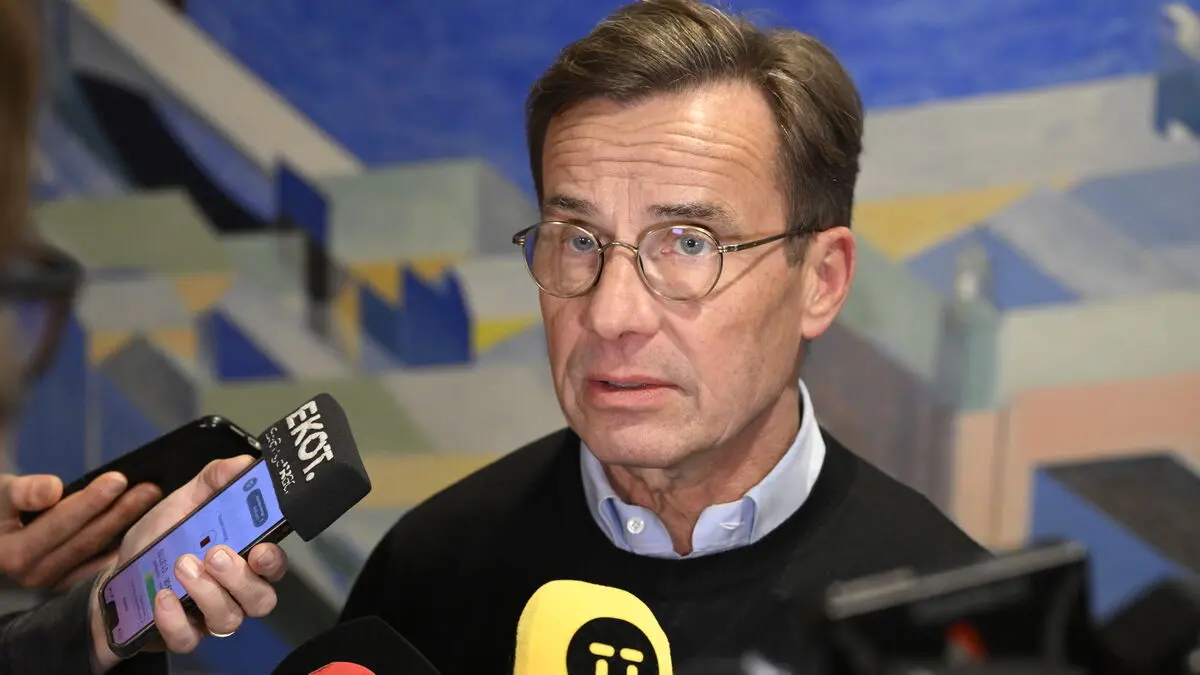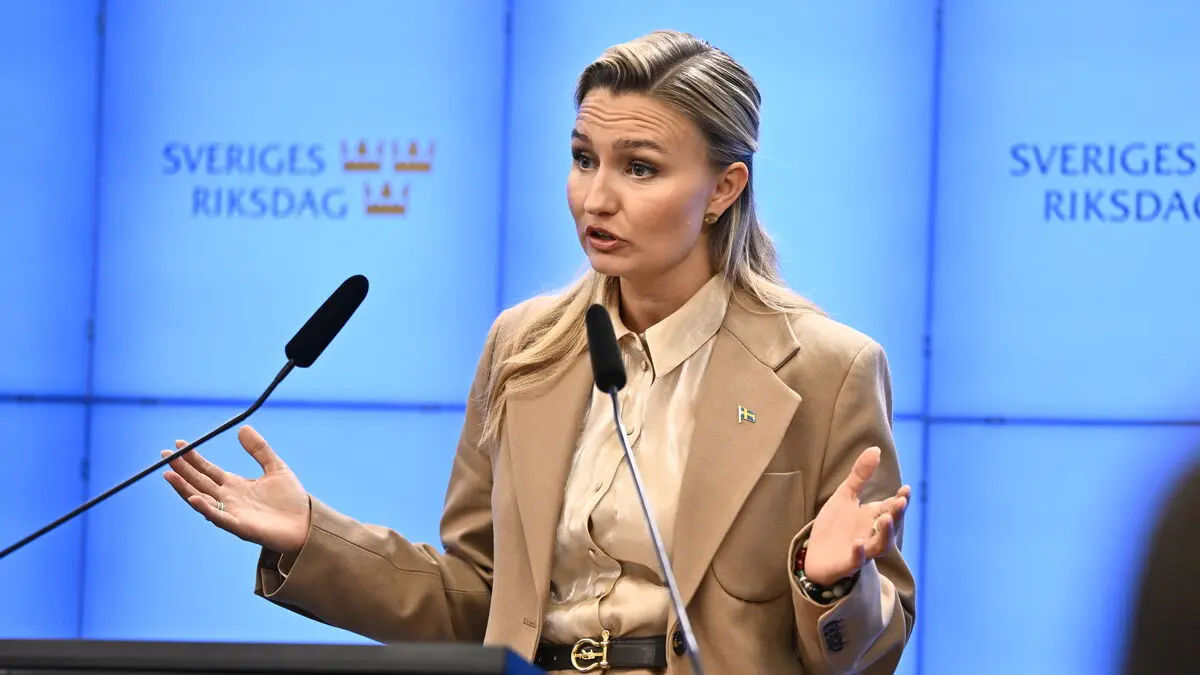
At Dansens hus in central Stockholm, the buzz is loud, a performance is about to start on the main stage and upstairs, Social Democrats are mingling in Folkets hus.
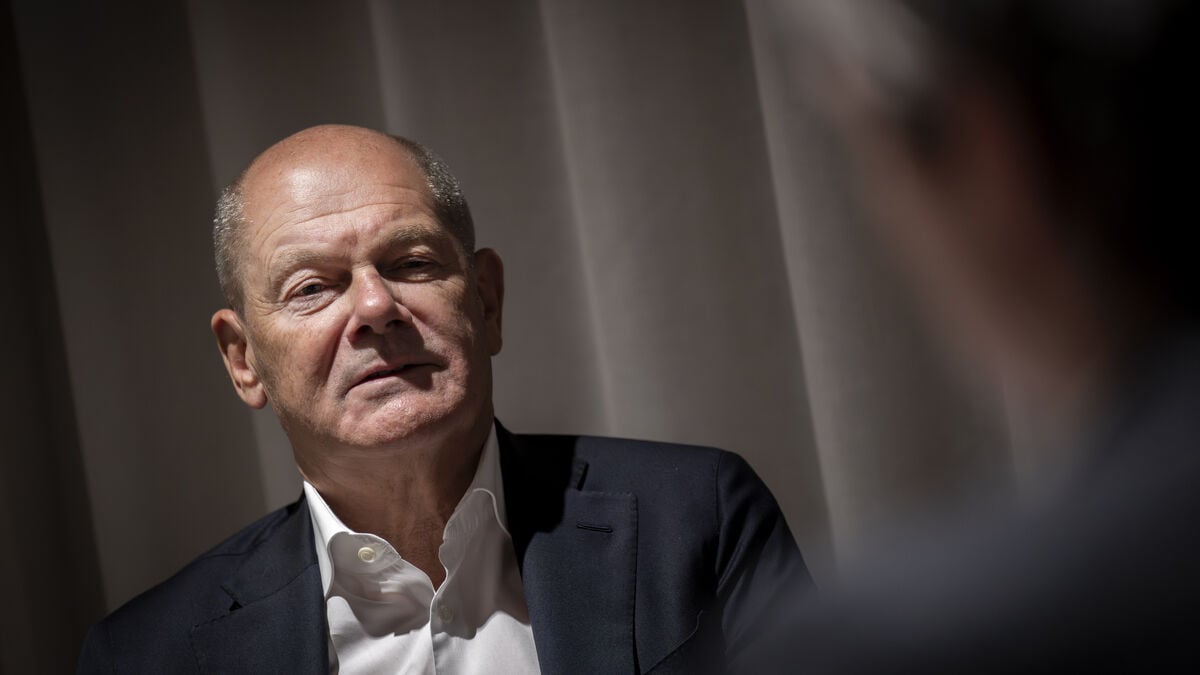
Olaf Scholz seems to be enjoying himself. Not least when he gets to put the words out about what is being celebrated a stone's throw from the LO castle – the 100th anniversary of the S-labeled Friedrich Ebert Foundation and the role of the German guest of honor for Europe.
Cooperation and alliances support the idea of pluralism and democracy, he says.
A quiet half year
But not everything is a party. When Germany went to the polls in February, the people voted Scholz out. He is happy that his SPD is in coalition with the Christian Democrats CDU/CSU after all, but talks less about the fact that the party lost nearly 10 percentage points and became smaller than the far-right AfD.
Since Friedrich Merz took power, Scholz has been quiet, staying away from interviews, TV game shows and well-paid appearances for a small elite. Instead, the 67-year-old has chosen to stay out of the spotlight and collect his thoughts.
Today he sits in the Bundestag as an ordinary member, for Potsdam outside Berlin, and is considering writing a book – another one, points out Scholz, who does not see the world differently after his time as chancellor, he claims, not after a whole life in politics.
But he takes one thing with him.
If you have been a leader in a country, you continue to be responsible for what happens after leaving office and you should behave accordingly.
Much in common
Scholz often highlights cooperation with Sweden in the interview. He has been friends with S leader Magdalena Andersson for many years.
Our countries have a lot in common, especially the way of thinking, and always trying to be at the forefront of technological development. And in the belief in continued support for Ukraine.
Sweden plays an important role there, also in the EU, says Scholz, highlighting the image of a united Europe that shows that Vladimir Putin misjudged the continent's power to stand united.
We should be very clear that for all of us, but especially for Germany, the EU is the most relevant national issue.
Can't dance alone
And when friends betray or someone wants to go the other way?
Olaf Scholz frowns, but not out of concern for the next move from Donald Trump or Hungarian Prime Minister Viktor Orbán. Instead, he looks for a German proverb and finally finds it.
You can only dance with the ladies on the dance floor, not dream about those who aren't there.
Social Democrat Olaf Scholz was German Chancellor from December 2021 to May this year.
Before that, he was Minister of Finance and Vice Chancellor in Christian Democrat Angela Merkel's coalition government from 2018 to 2021.
Born in 1958 in Osnabrück.
Lawyer since 1985.
In 1998, Scholz was elected to the Bundestag, where he served until 2001 and again from 2002 to 2011, with a brief break to serve as Minister of the Interior of the state of Hamburg. During his time in the Bundestag, he has served as whip of the SPD group (2005–2007) and deputy group leader (2009–2011).
Between 2007 and 2009 Minister of Labor and Social Affairs.
Between 2009 and 2018, deputy party leader of the Social Democratic SPD.
From 2011 mayor of Hamburg, a position Scholz held until 2018.
Source: German Government