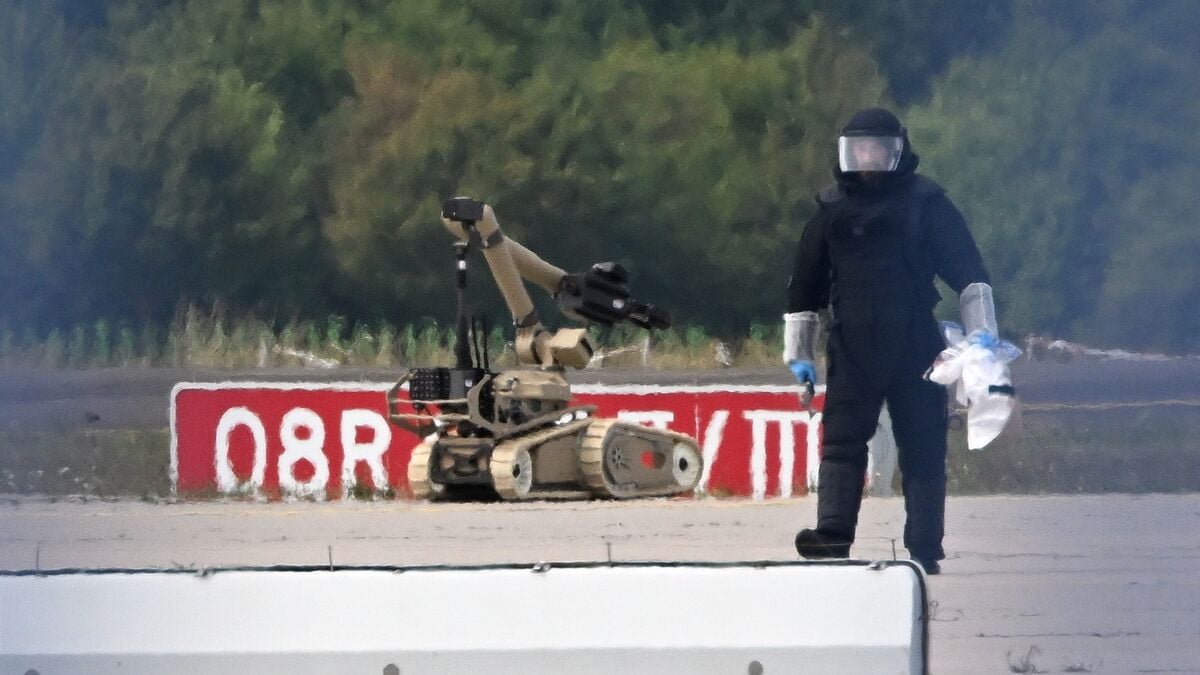
On August 4, a drone loaded with explosives was discovered at Leipzig/Halle airport in Germany, near Ukrainian cargo planes. At the same time, a second drone collided with an aircraft in mid-air. Ten days later, a third drone was found near the airport, also loaded with explosives.
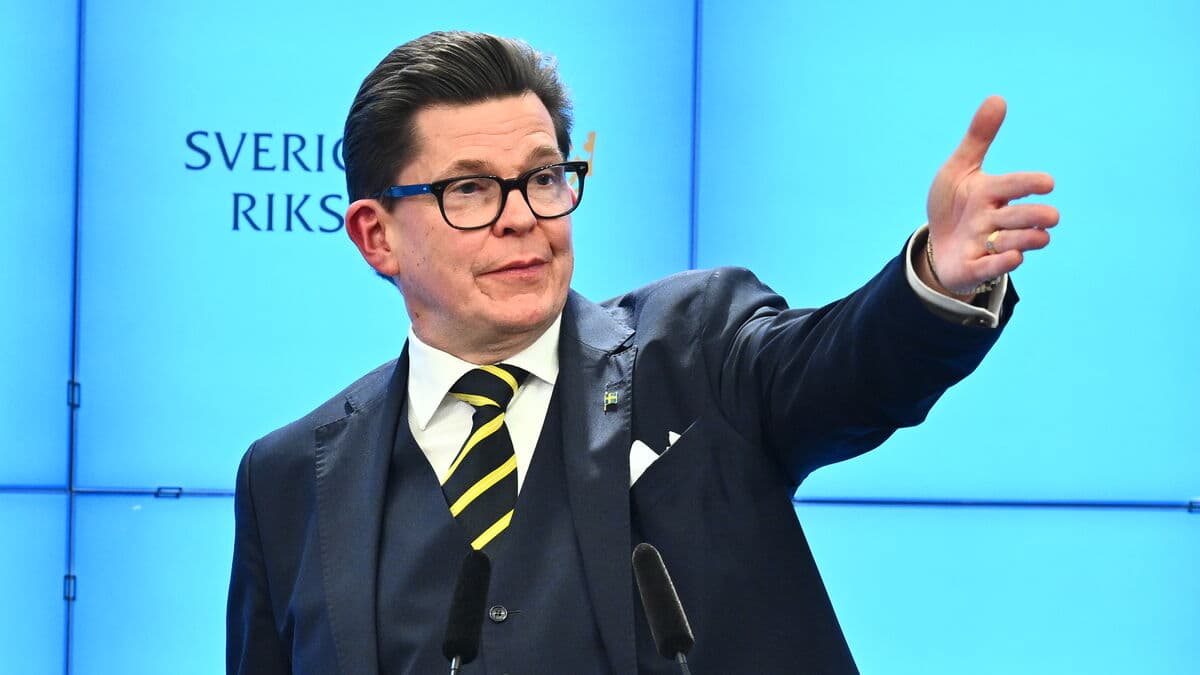
Markus Göransson, senior lecturer in war studies at the Swedish Defence University, stresses that the attack in Leipzig is part of a broader pattern of alleged Russian attacks and sabotage in Europe. But the airport attack still represents a clear escalation - and shows that Europe has clearly failed to deter Russia.
This should be a wake-up call for the West.
If we compare what they were prepared to do a few years ago with now sending drones armed with explosives towards an airport... It's serious.
Testing limits
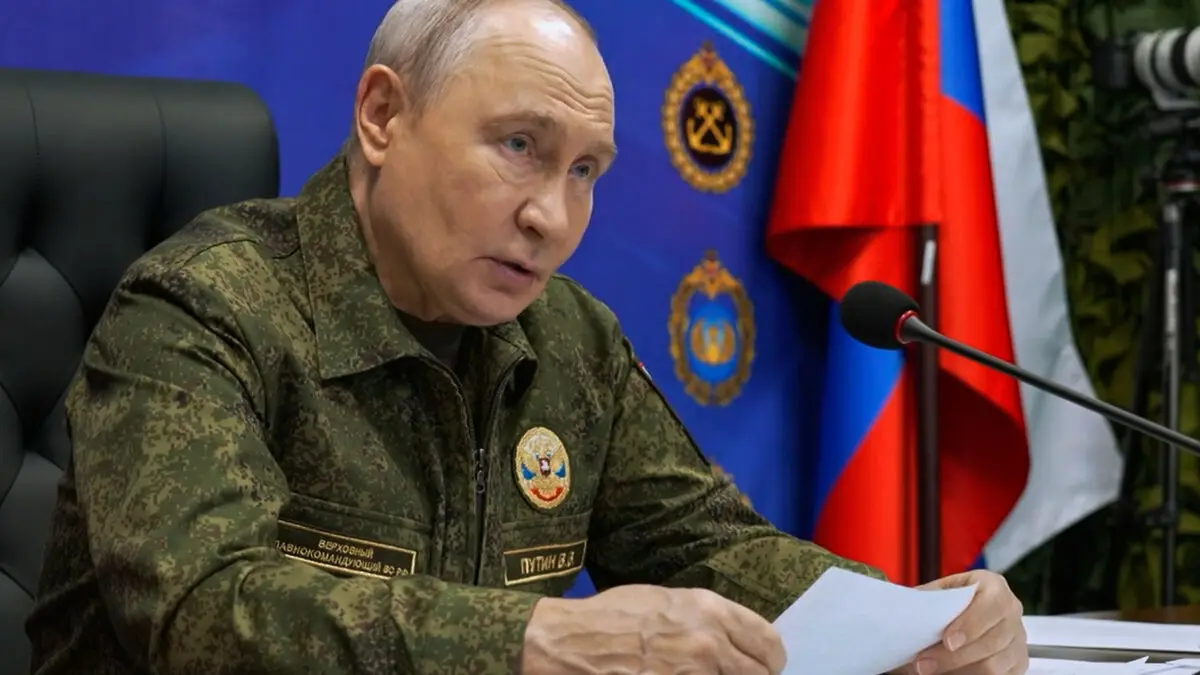
Since Germany officially named Russia as responsible on Tuesday, the tone has been harsh. EU foreign policy chief Kaja Kallas has accused Russia of “state-sponsored terrorism” and others, such as German defense contractor Stefan Thumann, have proclaimed that Germany is at war with Russia. EU leaders have rallied behind Germany, recalling ambassadors and threatening new sanctions.
The question is whether that is enough.
I do not think it will mean that Russia will cease its aggressive influence on the West, says Markus Göransson.
According to him, Russia sees the West as weak and fearful. That's why the country is constantly trying to test its limits, to see how far it can go before the West backs down or reacts with more forceful measures.
There is a deep conviction in Russia - perhaps not necessarily that they are stronger than the West in terms of economy and potential military strength - but that they are more determined and have an ability to concentrate their strength in a completely different way. And that there is great potential to sow division and discord among the countries of Europe.
“Running the war”
However, there is not much evidence to suggest that it actually works, Göransson notes.
Rather, it creates greater public opinion against Russia and leads to more forceful action against Russia.
So why do hybrid attacks continue? To answer that, he says, an understanding of the Russian analysis of the Ukraine war is required.
In Russia, the West is seen as the source of strength in the Ukrainian resistance, that it is the West that is really driving the war. For Russia, it is clearly important to try to cut off and weaken that support in various ways.