Following Russia's full-scale invasion of Ukraine in February 2022, Western countries expelled hundreds of Russian spies and blacklisted companies with ties to the Kremlin, aiming to make it harder for the Kremlin to engage in industrial espionage and purchase microchips and other equipment used to manufacture weapons.
Since then, dozens of the expelled spies have turned up in Japan, The New York Times reports. The country has weak anti-espionage laws and a high-tech industry that has come to play a crucial role in Russia’s wars. 90 percent of the Russian robots and drones used in the war contain Japanese components, according to Ukrainian government estimates.
Airline as cover
The core of the Tokyo operation, according to the review, is a covert unit within the Russian military intelligence service GRU, known as the 20th Directorate. The individuals in the unit pose as businessmen or diplomats, but they work to buy or steal sensitive Japanese technology and smuggle it into Russia.
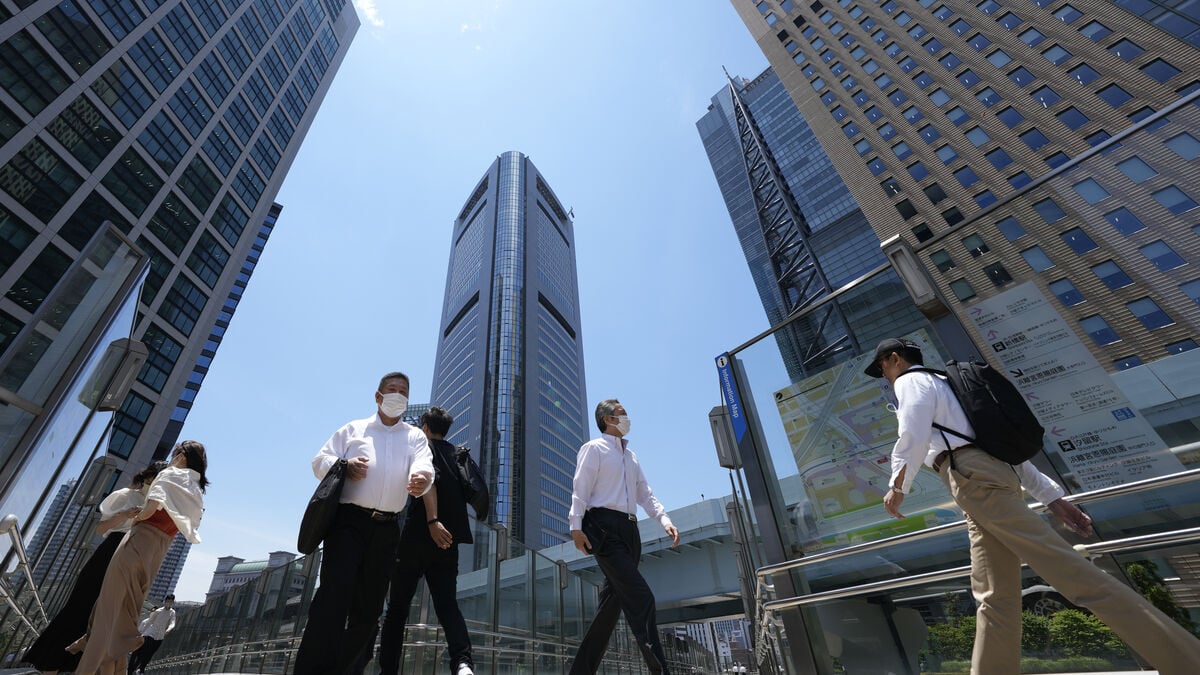
The man who heads the directorate's operations is a veteran of the GRU and works from a skyscraper in Tokyo under the guise of being an employee of the state-owned Russian airline Aeroflot.
The effects of the operation are being felt on the ground in Ukraine. When a Russian cruise missile hit a high-rise building in Kyiv, killing at least 24 people, in May, Ukrainian investigators were able to conclude that it had been controlled by Japanese components that are banned from being exported to Russia.
Weak intelligence
Ukraine has alerted Japan to the use of its technology in Russian attacks. But despite its open and clear support for Ukraine, the Japanese government has been slow to act.
Japan has long been seen as vulnerable to espionage, partly because of the restrictions imposed after World War II by the war's victors, which have kept the country's intelligence services weak.
However, this may be about to change. In recent months, Japan has quietly turned to partner countries such as the United States, Germany and Australia for advice on building up its intelligence service to meet the threat from Russia, China and North Korea, The New York Times reports.