A total of 65 conflicts with states involved on one or both sides were recorded in 2025, according to UCDP. This is the highest number since statistics began in 1946.
Pure conflicts between states increased to eight - also the highest level since World War II. These include the wars between Russia and Ukraine, Iran and Israel, and the conflict between India and Pakistan.
"The fact that conflicts between states are increasing is very worrying, because these types of conflicts have the potential to become much deadlier," says Therese Pettersson, senior analyst and project manager at UCDP.
She sees a development where both old and new battles have flared up.
"The conflict issue may have existed for a long time without being fought with military force. But now we see several border conflicts and an increased tendency to use military force across international borders."
The US is not the "world policeman"
According to Therese Pettersson, a number of factors may be behind this development. She believes that we are seeing a more multipolar world where the US is not as clearly the "world policeman", and that conflict resolution through diplomacy has become more difficult and the focus on mediation has decreased.
Individual leaders can also play a role; for example, US presidents have had different attitudes towards intervening in other countries' conflicts.
"But we have seen the trend of increased violence for quite some time, so it is not as simple as the Trump administration or a policy change being the cause."
Violence against civilians is increasing
Last year was the bloodiest since 1994 and the Rwandan genocide, according to UCDP. In total, about 244,600 people were killed in organized violence, and the war in Ukraine remained the deadliest conflict.
In addition, unilateral violence against civilians increased by over 400 percent compared to 2024.
"It is an absolutely horrific development, driven almost exclusively by the war in Sudan and the massacres that took place in El Fasher in Darfur. There we have recorded over 60,000 civilian deaths in 2025."
And it could get even worse. In the first four months of this year, UCDP has provisionally recorded almost twice as many deaths compared to the same period last year.
"So the trend of very high death tolls and many conflicts looks set to continue."
Since 2023, when two interstate conflicts were recorded, the number has increased to eight in 2025. This is the highest number since UCDP data collection began in 1946.
In total, UCDP recorded 65 conflicts in which states were involved on one or both sides last year. 13 of them were classified as wars, meaning they caused at least 1,000 combat-related deaths in a year.
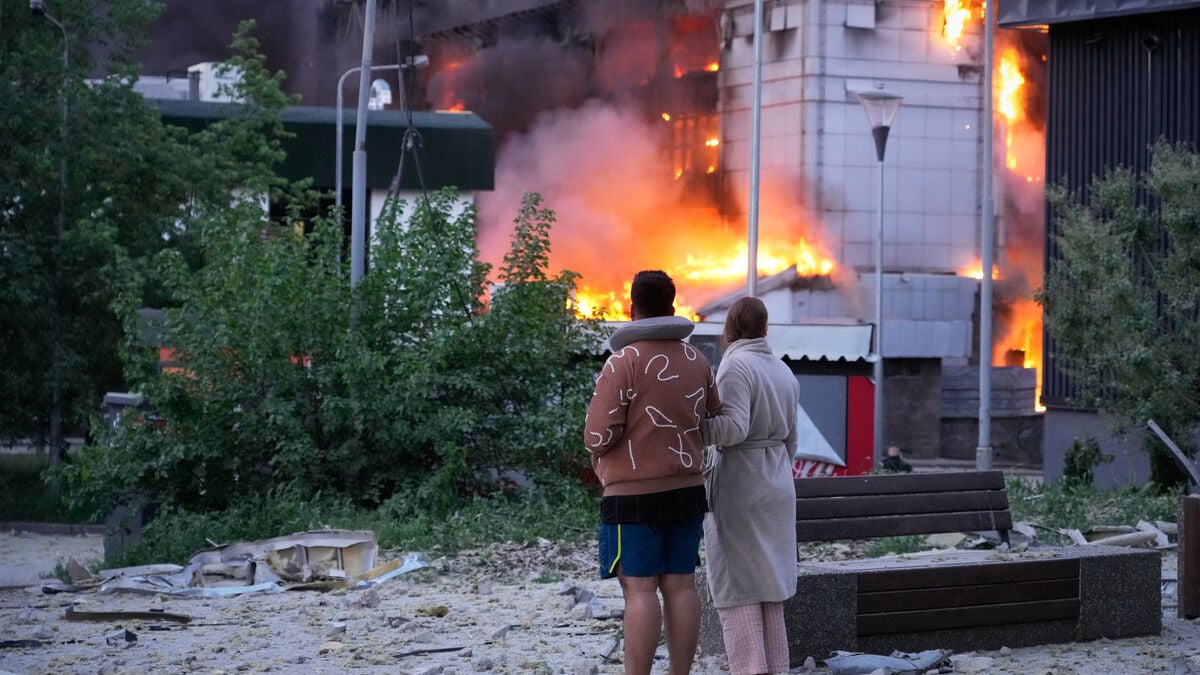
The deadliest conflict, the war in Ukraine, recorded at least 94,700 deaths. This corresponds to around 62 percent of all combat-related deaths globally. The war between Israel and Hamas and the war in Sudan were also among the world's deadliest conflicts.
The UCDP recorded 76,500 deaths in unilateral violence (such as massacres against civilians) in 2025. This is an increase of over 400 percent compared to 2024 and the highest level since 1994.
One bright spot is that non-state conflicts, such as drug cartels in Mexico, continued to decline. These types of conflicts caused a total of about 14,500 deaths in 2025, the lowest number since 2013.
Source: Uppsala University's conflict data program UCDP