It is eerily quiet in the corridors of the Hungarian Foreign Ministry on the west bank of the Danube. When Péter Magyar won a landslide election victory in April, he said that then-Foreign Minister Péter Szijjártó was inside, hastily burning compromising papers. Since the change of power, dozens of officials – according to media reports, several hundred – have been dismissed from the building.
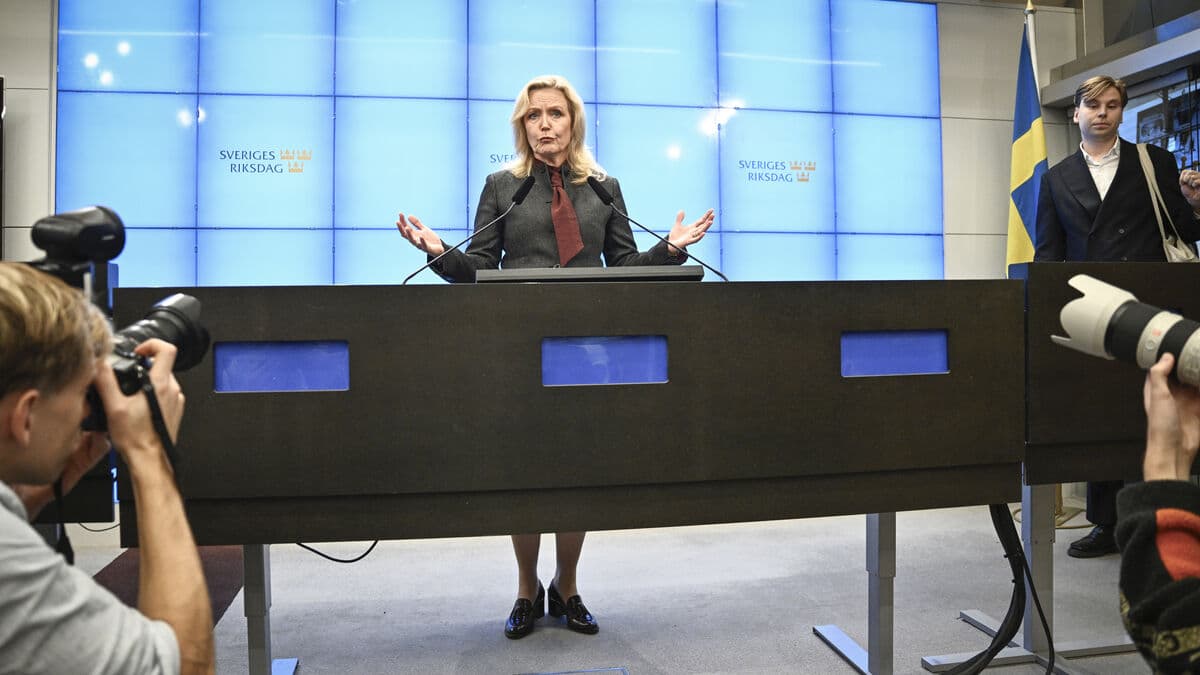
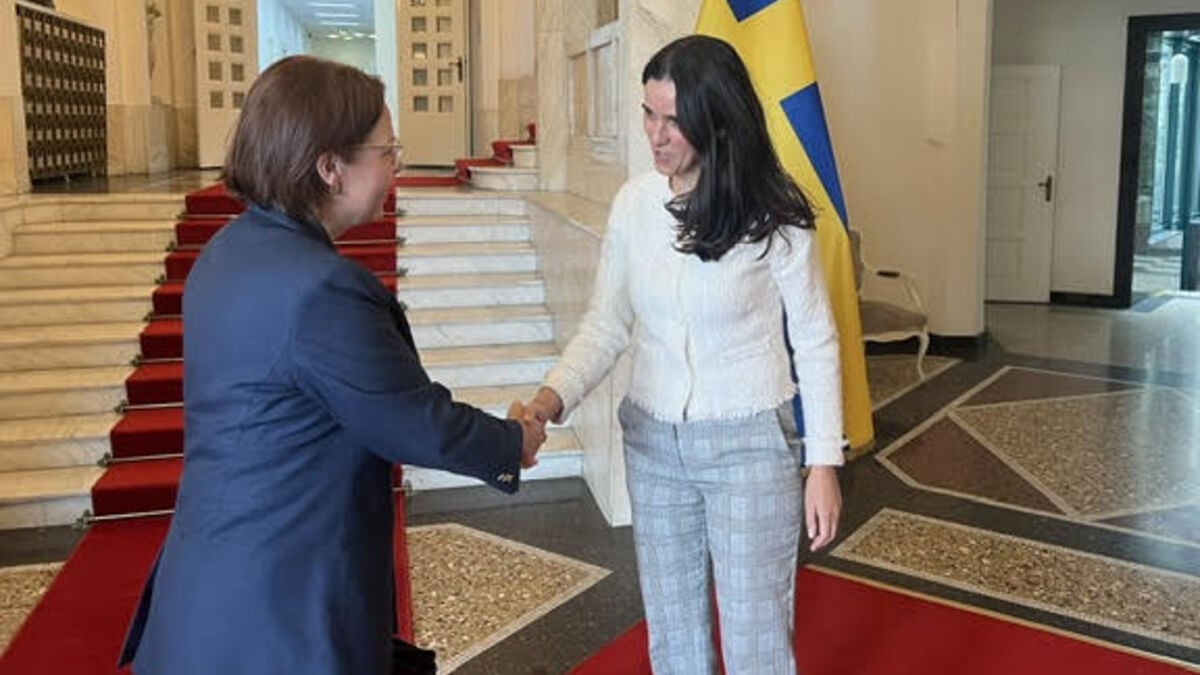
When Sweden's foreign minister visited, she was greeted by the new foreign minister, Anita Orbán (no relation to the former prime minister), who is on an intense charm offensive. Hungary has only the summer to clean up the previous government's abuse of power with tough legislation - in order to release huge aid money that has been on hold for several years.
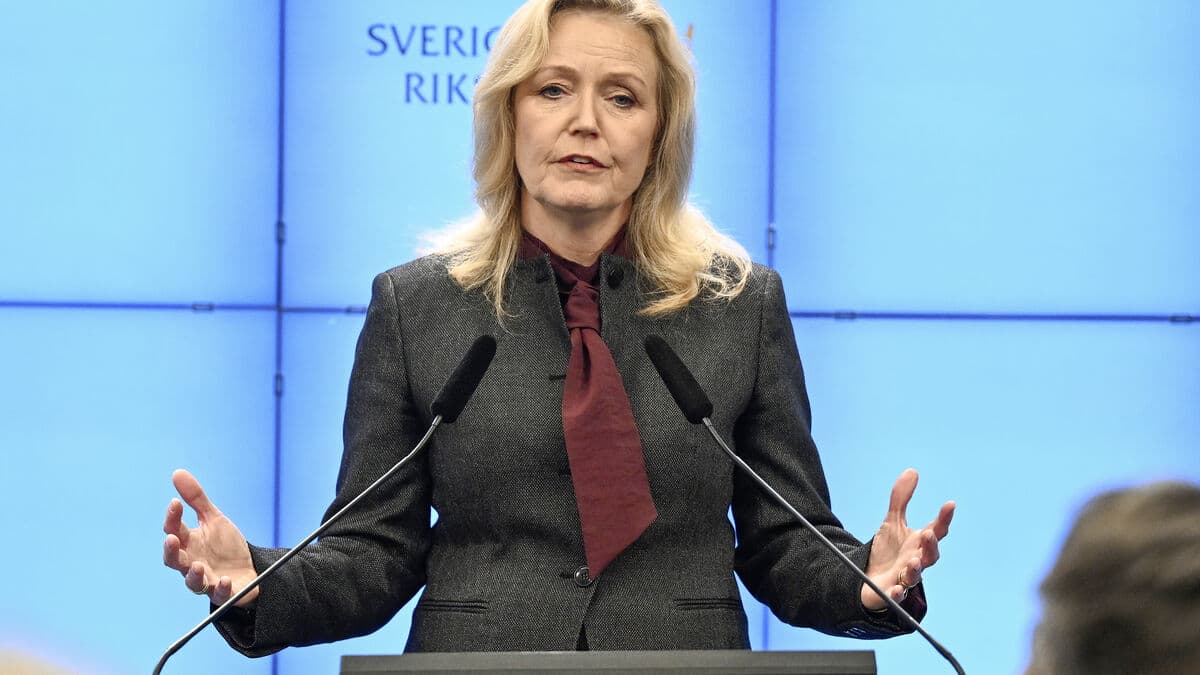
"We both agree that this is an opportunity for a fresh start," Malmer Stenergard told TT after the meeting.
"Offered our support"
How much trust do you have in the Hungarian government at the moment?
"So far, I can only base my judgment on what they have done so far. I think it is very promising," says Sweden's foreign minister.
Malmer Stenergard is pleased with Hungarian announcements that open up more funding and EU negotiations for Ukraine. However, to rebuild Sweden's trust, Hungary first needs to meet the European Commission's demands, she notes.
"But it is very clear that this government has the ambition to really get this done. We welcome that and I offered Sweden's support if they need it."
A stop in the other direction
However, Hungary is stuck in a bind when it comes to money that Sweden, among others, is waiting for. In total, it involves at least 60 billion Swedish kronor that countries have given to Ukraine in the EU's so-called peace facility. They are tied up in a legal case that Hungary's previous government started and that the new one has not yet canceled.
According to Maria Malmer Stenergard, it was raised at Friday's meeting, but Anita Orbán gave no new information.
"Not that I can share today," says Sweden's foreign minister.
Pride week awaits
More announcements are expected. Last year, the Pride parade in Budapest was banned, but it went ahead anyway, and this year the new government has given the green light. Rainbow flags are seen in Budapest's city centre ahead of Pride week at the end of June.
Organizer Kristóf Bartucz says he is "cautiously optimistic" about the political shift. He has, as in previous years, sent invitations to the Prime Minister’s Office.
"We haven't received any answer yet. We'll see," he tells TT in Budapest.
The change of power in Hungary allows the country to unfreeze large sums of money that have been frozen for several years. This will happen as Prime Minister Péter Magyar's government meets a list of demands from the European Commission.
In total, this amounts to around SEK 170 billion that has been withheld due to abuse of power and the dismantling of the rule of law that occurred during Viktor Orbán's long rule.
The majority, just over SEK 100 billion, is Hungary's share of the EU's recovery fund after the COVID-19 pandemic, and that money has a strict deadline of August 31. In addition, there are billions from regional support for the EU's poorer countries, and funds that were halted when academic freedom in Hungary was restricted.
The Magyar government is expected to, among other things, end political control over the country's courts, take measures against corruption, advocate for more transparency, and dismantle complicated structures to which large parts of Hungary's public assets have been moved.